
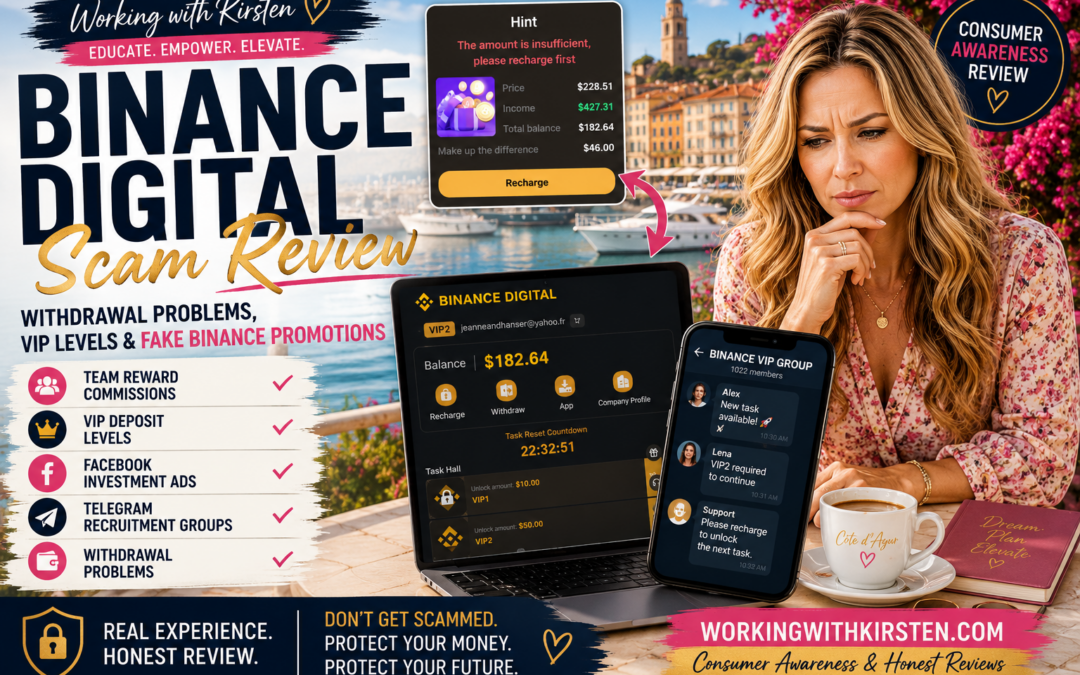
Key Takeaways: Fake Binance Ads on Facebook Are Stealing Real Money
- Binance’s name and logo are being actively hijacked by scammers running paid Facebook ads that redirect victims to fake crypto investment platforms — Binance has no affiliation with any of these.
- These scams follow a very specific playbook — fake investment portals, Telegram group funnels, referral invite codes, and promised fixed returns that are impossible to withdraw.
- Multiple fraudulent platforms have been identified including cfbanqueinvestment.vip, globalquantify.com, reelvision.me, hilton.ceo, and globalvpp.top — none of which are regulated or legitimate.
- There are clear, recognizable red flags that can help you spot these scams before losing a single dollar — and knowing them is your strongest defense.
- If you’ve already clicked or deposited, there are immediate steps you can take — keep reading to find out what to do right now.
Facebook is currently one of the most active hunting grounds for crypto scammers — and if Binance’s name is in the ad, that’s exactly how they want you to feel safe.
These aren’t low-effort schemes thrown together overnight. They’re coordinated, paid advertising campaigns running directly on Facebook and Instagram, targeting everyday people who are curious about crypto investing. The ads look professional. The platforms they link to look even more professional. And that’s precisely what makes them so dangerous. ScamWatch and consumer protection organizations globally have flagged a sharp rise in investment scams using trusted crypto brand names as bait, with victims often losing thousands before realizing what happened.
Staying informed is your first line of defense. Resources dedicated to exposing crypto fraud — like those provided by consumer advocacy groups and digital finance watchdogs — play a critical role in keeping the community protected. Understanding how these scams operate is the single most effective tool you have.
✨ Quick Summary
After personally testing Binance Digital, Access Capital Investment, and ReelVision, I noticed a recurring pattern involving Facebook ads, Telegram groups, VIP upgrades, referral incentives, and repeated requests for additional deposits before withdrawals could be completed.
My experience was not identical across every platform. Access Capital Investment initially allowed withdrawals, while Binance Digital and ReelVision raised more serious concerns around withdrawal requirements and additional funding requests.
What This Investigation Covers
- Fake Binance branding and lookalike promotions
- Facebook and Telegram investment funnels
- VIP upgrade systems and referral rewards
- Withdrawal problems and extra deposit requests
- Red flags to check before sending money online
Bottom line: A balance displayed on a website is not the same as money successfully returned to your bank account or crypto wallet.
My Personal Experience With Binance Digital, Access Capital Investment, and ReelVision
I want to share my personal experience to help others recognize warning signs before sending money to online investment platforms.
Over the past several months, I deposited money into Binance Digital, Access Capital Investment, and ReelVision after encountering promotions online and becoming curious about the opportunities being presented.
At first, each platform appeared legitimate. Account balances increased, profits were displayed inside the dashboards, and the overall experience was designed to create confidence that the systems were functioning as advertised.
My experience was not identical across all three platforms.
With Access Capital Investment, I was able to receive withdrawals during the early stages of participation and ultimately recovered approximately what I had invested. However, the platform’s VIP structure, referral incentives, and emphasis on increasingly larger deposits raised important questions about the sustainability and transparency of the business model.
My experiences with Binance Digital and ReelVision were far more concerning.
When I attempted to access or withdraw funds, additional requirements began to appear. Instead of receiving my money, I was informed that further deposits, upgrades, or funding requirements needed to be completed before withdrawals could be processed.
After meeting one requirement, another was introduced.
Each time I fulfilled what was presented as the final step, a new obstacle appeared.
The explanations varied, but the outcome was often the same: additional money was required before I could access funds that supposedly already belonged to me.
In my experience, the withdrawal process gradually became an ongoing cycle of new conditions, new funding requests, and new reasons why access to funds could not yet be granted.
What concerned me even more was that I later spoke with other individuals who described experiencing remarkably similar situations. They deposited funds, saw profits displayed in their accounts, attempted to withdraw, and were then instructed to make additional payments before their withdrawals would be released.
Based on my experiences, I would strongly encourage anyone considering these types of online investment platforms to proceed with extreme caution.
Before depositing money into any investment opportunity, ask yourself:
- Can I successfully withdraw my funds?
- Is the company regulated by a recognized financial authority?
- Is ownership and management independently verifiable?
- Are withdrawals processed without requiring additional deposits?
- Is the business generating revenue from legitimate investment activity or primarily from participant deposits and recruitment?
One of the most important lessons I learned is that a balance displayed on a website is not the same as money successfully returned to your bank account or crypto wallet.
My purpose in sharing these experiences is not to attack any individual or organization. It is to help others recognize warning signs, ask better questions, and perform careful due diligence before risking their hard-earned money.

These Facebook Crypto Scams Are More Dangerous Than You Think
Most people assume they’d spot a scam immediately. The reality is that these operations are deliberately engineered to bypass your skepticism at every step. They use real brand names, real-looking interfaces, and real social proof tactics — including fake testimonials, manufactured urgency, and even copy-pasted Binance UI elements — to make everything feel authentic.
- Paid Facebook ads mimic official Binance promotions with near-identical branding
- Landing pages replicate the look and feel of legitimate crypto exchanges
- Referral systems create a false sense of community and social trust
- Fake Telegram groups with hundreds of members add manufactured credibility
- Invite codes create a feeling of exclusivity, making the “opportunity” feel vetted
- Fixed return promises are presented with professional-looking charts and dashboards
What makes these scams particularly effective is the layered trust-building process. You’re not just clicking one ad and handing over money. You’re taken through a deliberate funnel — first the ad, then the landing page, then a Telegram group, then an invite code, then a “small test deposit” — each step designed to deepen your commitment and make backing out feel irrational.
Why Scammers Use Binance’s Name to Build Trust
Binance is the world’s largest cryptocurrency exchange by trading volume. That name recognition is exactly what scammers are exploiting. When someone sees “Binance” in an ad or on a platform, their brain registers legitimacy before their skepticism has a chance to kick in. It’s a psychological shortcut — and these fraudsters know exactly how to exploit it.
The platforms identified in this scam network — including domains like 9696-btb.cc, sklmx.cc, and zbf0l2.hrbchsm.com — use Binance’s branding, color schemes, and even replicated registration flows to impersonate the exchange. None of these are affiliated with Binance in any way. Binance has publicly stated on multiple occasions that it does not operate investment programs through third-party Facebook pages or Telegram groups.
How Facebook Ads Make Fake Platforms Look Legitimate
Facebook’s paid advertising platform allows virtually anyone to run targeted campaigns with professional creative assets. Scammers exploit this by purchasing ads with UTM tracking parameters — the same technology legitimate businesses use — making their campaigns appear indistinguishable from real marketing. The URLs identified in this scam network all carry standard Facebook ad tracking strings like utm_source=fb, utm_medium=paid, and campaign IDs, giving the links a surface-level appearance of corporate legitimacy.
Meta’s ad review system has struggled to keep pace with the volume of fraudulent crypto ads. By the time a campaign gets flagged and removed, thousands of users may have already clicked through. Scammers also rotate domains rapidly — one day it’s globalvpp.top, the next it’s a freshly registered lookalike — making it extremely difficult for automated systems to catch them consistently.
How These Scams Actually Work
The mechanics of these scams follow a disturbingly consistent pattern. Understanding the exact sequence of events helps you identify — and exit — the trap at any stage before real damage is done.
The “Public Welfare Investment” Bait
Many of these Facebook ads are framed around altruistic or public benefit language — phrases like “public welfare investment program” or “community profit sharing” are common hooks. This framing is deliberate. It lowers financial skepticism by wrapping greed in generosity. The ad typically features a professional video or static image using Binance’s visual identity, claiming that users can earn fixed daily or weekly returns simply by registering through a special link.
Referral Reward Schemes That Rope In Your Friends
Once registered, victims are immediately presented with a referral system. Platforms like globalquantify.com and cfbanqueinvestment.vip offer tiered bonuses for recruiting new users — for example, invite codes like 887325, 584568, and 814332 are embedded directly into the landing page URLs. This turns victims into unwitting recruiters, spreading the scam through personal networks where trust is already established. Friends and family are statistically far more likely to invest when the recommendation comes from someone they know. For more information on how scammers operate, check out this new scam alert from Binance.
Fake Telegram Groups Used to Seal the Deal
After clicking the Facebook ad, many victims are funneled into a Telegram groups, promoted as “Access Capital Investment.” These groups are populated with fake accounts posting fabricated profit screenshots, withdrawal confirmations, and enthusiastic testimonials. A human “account manager” is usually assigned to new members to answer questions and push them toward making their first deposit. The social environment is entirely manufactured. Learn more about the new scam alert and how to protect yourself.
How Invite Codes Lock Victims Into Fake Platforms
Invite codes serve a dual purpose in this scam ecosystem. On the surface, they create a sense of exclusivity — as if you’ve been granted special access to a vetted program. In reality, they function as tracking identifiers that tie deposits to specific recruiter accounts and help scammers measure which Facebook ad campaigns are converting most effectively. Once you’ve registered with an invite code and made a deposit, the platform’s interface will typically show growing “profits” — none of which are real or withdrawable.
Red Flags: What These Scam Sites Have in Common
Every single platform identified in this scam network shares a recognizable set of characteristics. Once you know what to look for, spotting them becomes almost automatic. The problem is that most people encounter these sites before they know the warning signs — which is exactly why this information matters.
Suspicious URLs That Mimic Legitimate Platforms
Legitimate crypto exchanges use clean, memorable domains with established histories. The platforms in this network use domains that are either randomly generated (zbf0l2.hrbchsm.com, vco95q.ptsyky.com), suspiciously generic (globalvpp.top, globalquantify.com), or use low-credibility TLDs like .cc, .top, and .vip. Running any unfamiliar investment URL through WHOIS lookup will almost always reveal these domains were registered within the last few months — a near-definitive red flag for fraudulent operations.
Promises of Fixed Returns and Tiered Referral Bonuses
No legitimate investment platform — crypto or otherwise — guarantees fixed daily or weekly returns. Markets don’t work that way, and any platform claiming otherwise is either operating a Ponzi scheme or an outright fraud. The platforms in this network consistently promise structured profit tiers, often displayed on professional-looking dashboards that update in real time to show your “earnings.” These numbers are entirely fabricated. The referral bonus structures — typically offering 10%, 20%, or higher commissions for recruiting new depositors — are the financial engine of the scam, not a reward program.
Emotional Language Designed to Lower Your Guard
Scam platforms and their associated Facebook ads consistently use emotionally loaded language designed to create urgency and suppress rational thinking. Phrases like “limited spots available,” “exclusive community members only,” “your financial freedom starts today,” and “join thousands already earning daily” are engineered to trigger FOMO — fear of missing out. When you feel like an opportunity is slipping away, you make faster, less careful decisions. That’s not an accident. It’s the entire strategy.

Platforms Frequently Reported in Binance Digital Themed Investment Scam Complaints
The following platforms have been repeatedly reported to me by readers, community members, and individuals who shared experiences similar to my own. Inclusion on this list does not constitute a legal determination of fraud. Readers should conduct their own due diligence and carefully evaluate any investment opportunity before depositing funds.
I personally deposited funds into some of these platforms and experienced many of the warning signs discussed throughout this article.
Once I started comparing these platforms side by side, the similarities became impossible to ignore.
Different names. Different domains. Different Facebook advertisements.
Yet beneath the surface, the same patterns appeared again and again: Telegram recruitment funnels, referral-based incentives, promises of attractive returns, professional-looking dashboards, and recurring complaints about withdrawal difficulties.
The more examples I examined, the clearer it became that these platforms were often following remarkably similar playbooks. While the branding changed, the underlying tactics, recruitment structures, and user experiences frequently looked strikingly similar.
Based on my own experiences, conversations with other affected individuals, and the observable characteristics of these promotions, the following platforms deserve careful scrutiny before anyone considers depositing funds.
Access Capital Investment Group
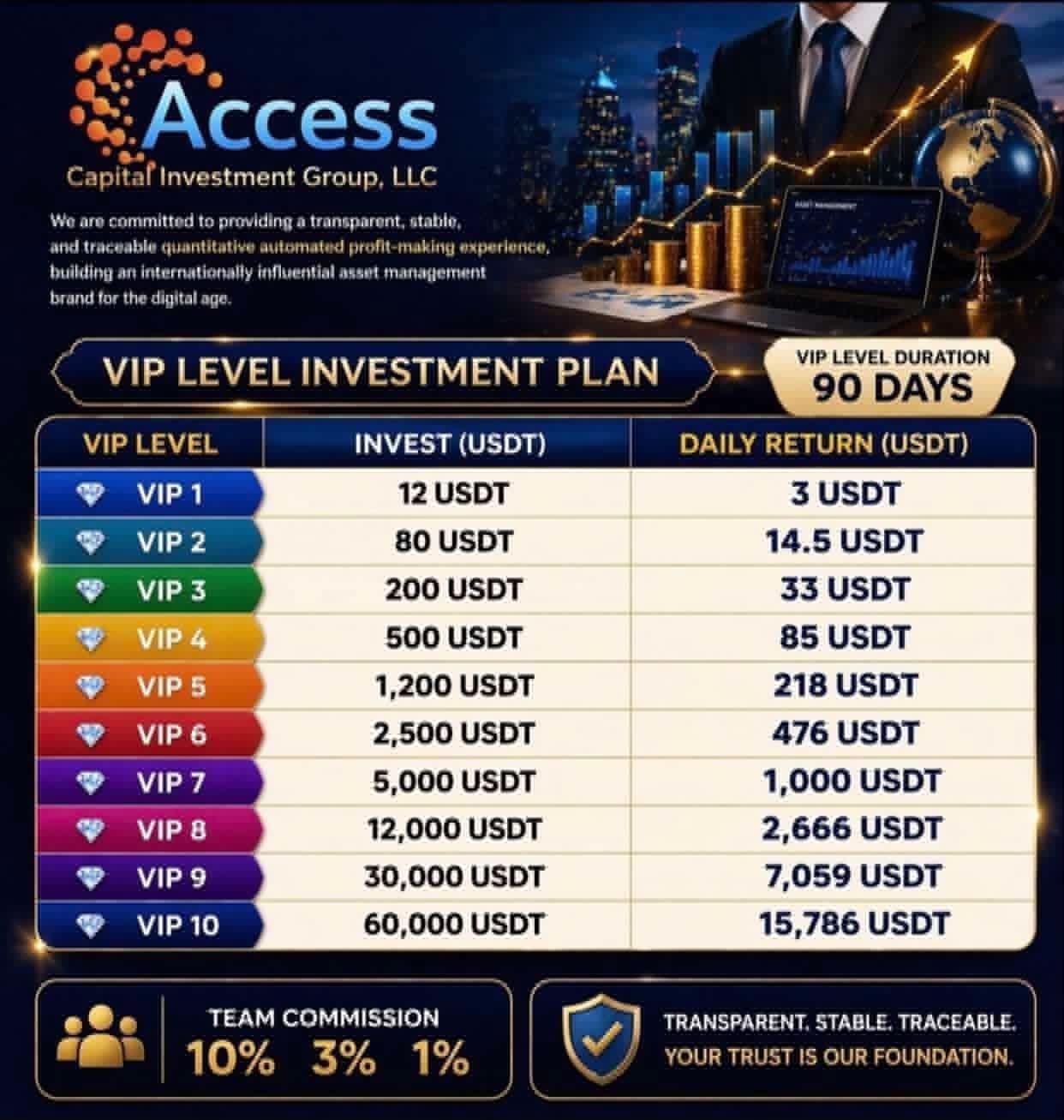
Access Investment Capital was one of the platforms that first caught my attention through Facebook advertisements and Telegram-based recruitment. New members were directed into a private Telegram community where investment opportunities, earnings screenshots, promotional materials, and success stories were regularly shared.
One feature that stood out immediately was the platform’s VIP investment structure. Members could unlock increasingly expensive VIP levels that promised progressively larger daily returns. Promotional materials displayed investment tiers ranging from relatively small entry-level deposits to packages requiring thousands of dollars in funding.
My own experience began with the lower VIP levels.
I initially tested the platform by purchasing VIP 1 and later VIP 2. Unlike some of the other platforms discussed in this article, I was actually able to receive withdrawals during the early stages of my participation. Those initial payments helped create confidence that the system was functioning as advertised and encouraged members to consider larger investment levels.
In fact, based on my experience, I approximately broke even on my original participation.
However, one of the lessons I learned from researching investment schemes is that early withdrawals do not necessarily prove long-term legitimacy. In many cases, receiving small withdrawals can increase trust and encourage participants to commit larger amounts of money over time.
Another aspect that raised questions for me was the platform’s emphasis on VIP upgrades and team-building commissions. Promotional materials advertised referral rewards and multi-level commission structures that compensated members when others joined and deposited funds.
As I continued observing the platform, I became increasingly interested in understanding where the advertised returns were actually coming from and whether the underlying business model could be independently verified.
What initially appeared to be a straightforward investment opportunity ultimately raised many of the same concerns that I later encountered elsewhere: VIP upgrade systems, referral incentives, promises of attractive daily returns, and a heavy focus on continued participation and funding.
While my experience differed somewhat from other platforms because I was able to receive withdrawals initially, it nevertheless reinforced an important lesson:
The true measure of an investment opportunity is not whether it can generate early payouts. The real question is whether the business model is transparent, sustainable, independently verifiable, and capable of supporting the returns being advertised over the long term.
For that reason, anyone evaluating a platform such as Access Investment Capital should carefully investigate how profits are generated, whether returns can be independently verified, and whether the opportunity relies primarily on deposits from new participants.
Binance Digital

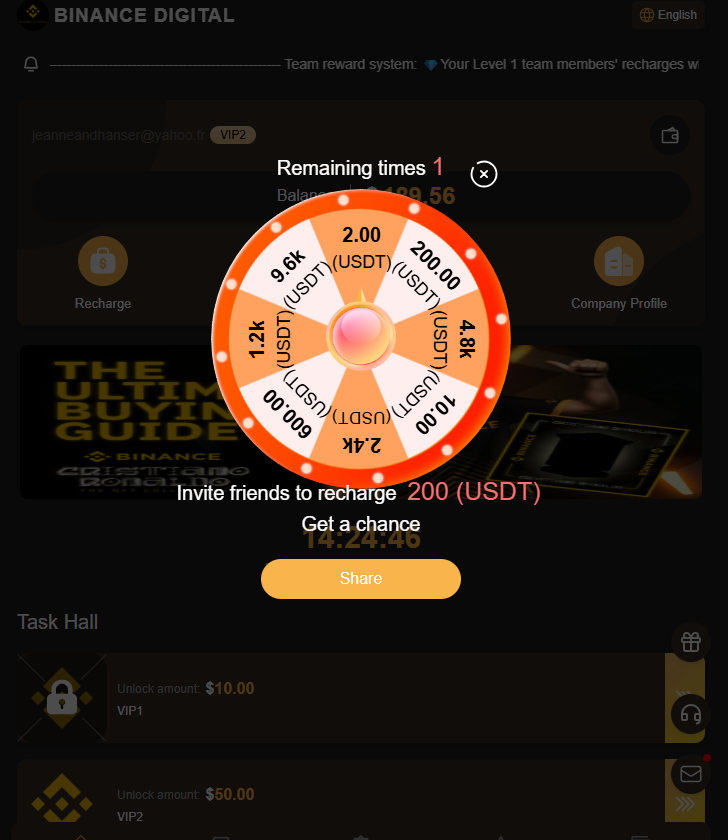
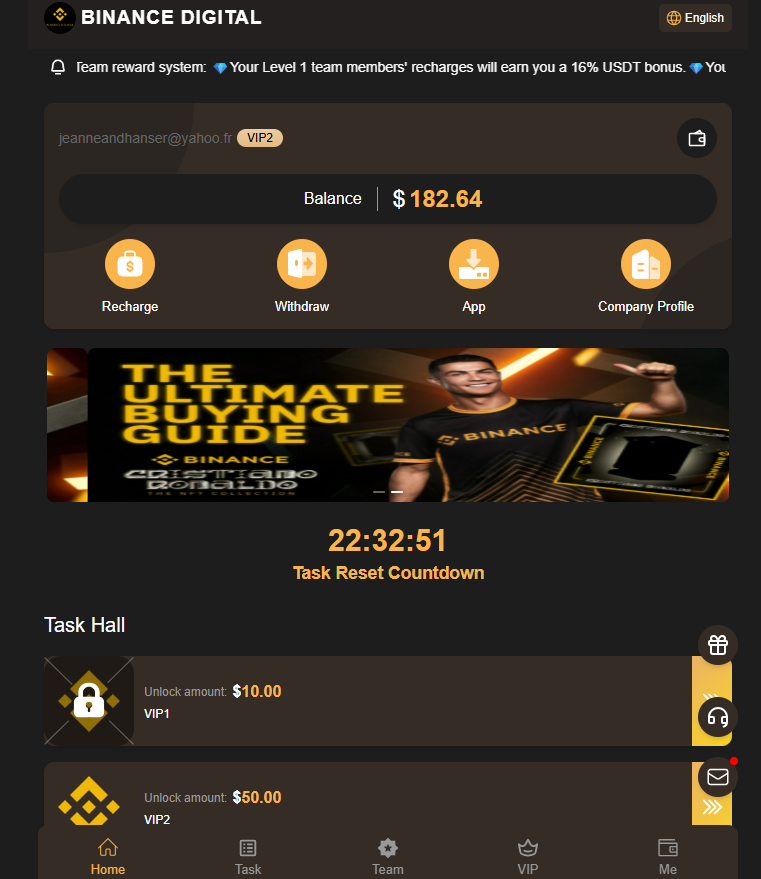
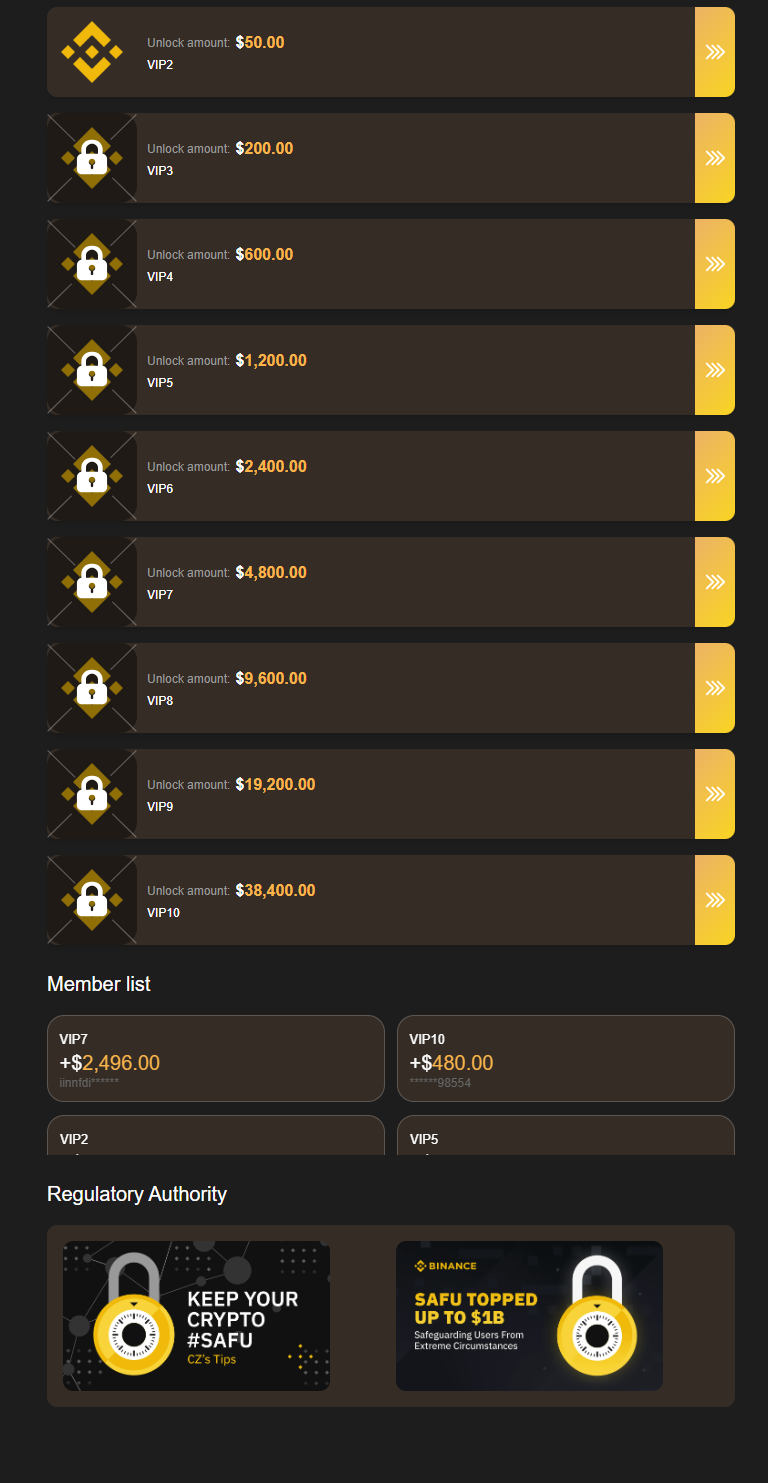
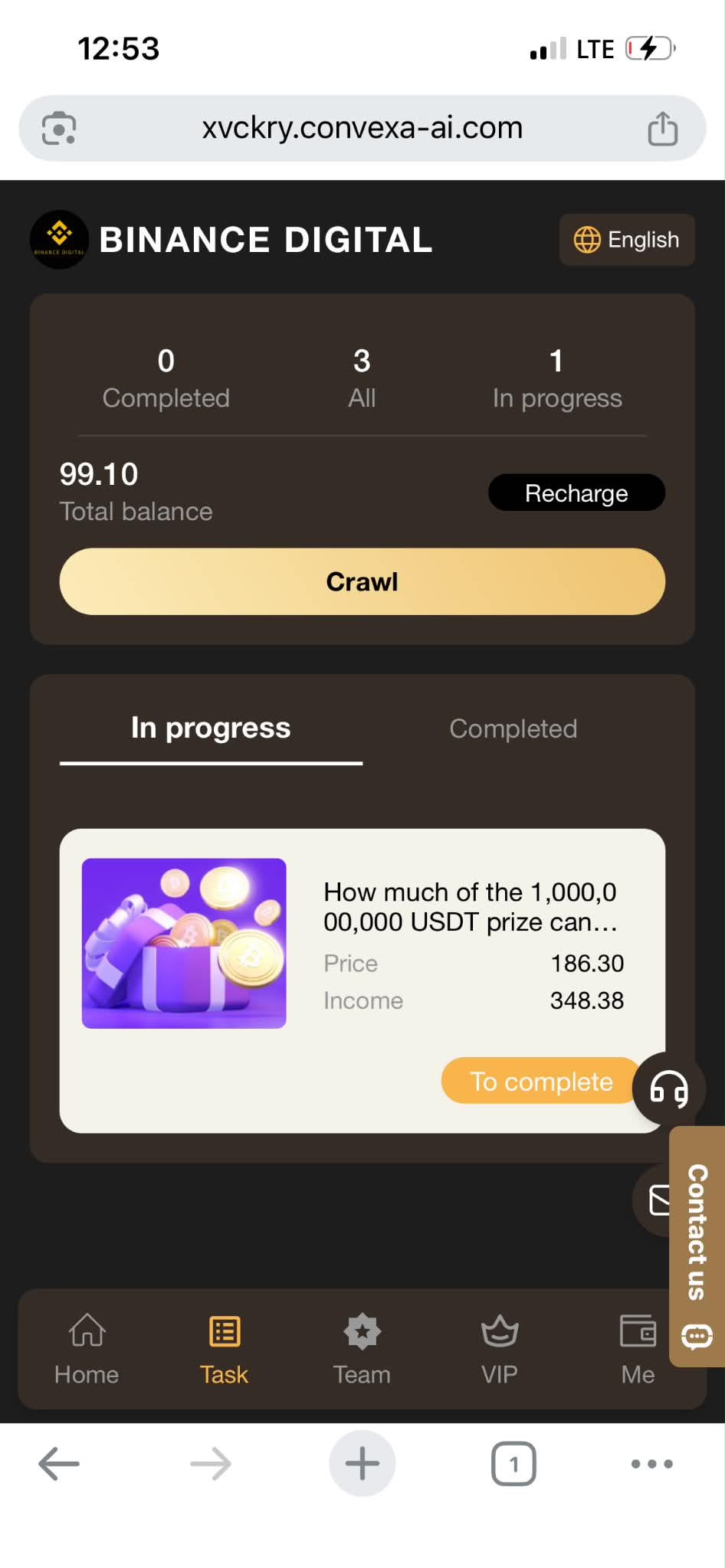
Binance Digital was presented as an investment opportunity that appeared to be connected to or associated with the Binance brand. Through its marketing, branding, and overall presentation, the platform created the impression that it was part of a legitimate cryptocurrency investment ecosystem.
Like many of the platforms discussed in this article, the onboarding process was straightforward. Deposits were accepted quickly, account balances appeared to grow, and the platform displayed what looked like legitimate investment activity and profits.
However, my experience changed significantly when I attempted to withdraw funds.
Rather than processing the withdrawal, additional requirements were introduced. I was informed that further payments were necessary before my funds could be released. After meeting one condition, another requirement appeared. What was presented as a simple withdrawal process gradually became a series of additional deposits, fees, and verification requests.
The most concerning aspect was that the goalposts appeared to keep moving. Each time a requirement was fulfilled, a new explanation was provided for why the withdrawal could not yet be completed.
This experience closely mirrored the pattern I later encountered on other platforms discussed throughout this article. The similarities included referral-based recruitment, promises of attractive returns, professional-looking dashboards, and repeated requests for additional funding before withdrawals could supposedly be processed.
For this reason, I would strongly encourage anyone considering a platform claiming an association with Binance to verify that relationship independently through Binance’s official website and regulatory disclosures. Investors should never assume that the use of Binance branding, logos, or terminology automatically means a platform is legitimate or authorized.
As with any investment opportunity, the most important question is not how easy it is to deposit funds, but whether you can withdraw them without delays, changing conditions, or repeated demands for additional payments.
The VIP Upgrade & Deposit Cycle of Binance Digital
Another pattern I observed on Binance Digital was the use of VIP levels, deposit thresholds, and task-based progression systems.
Members were encouraged to unlock higher VIP tiers by depositing additional funds. The platform presented these upgrades as a way to access more tasks, increase earning potential, and participate in larger opportunities.
At first glance, the system appeared straightforward. However, as activity progressed, additional deposits often became necessary to continue participating in tasks or unlock new levels.
The platform also displayed account balances, countdown timers, daily tasks, and progression milestones that created the impression of ongoing activity and growth.
While tiered membership programs are not automatically problematic, investors should carefully evaluate any opportunity where continued participation depends on repeatedly depositing more money.
One of the most important questions to ask is whether the platform generates value through a legitimate and transparent business model or whether participants are primarily encouraged to keep funding their accounts in order to maintain access to future earnings.
Whenever deposits become a recurring requirement for advancement, investors should proceed with caution and perform extensive due diligence before committing additional funds.
Look Out for Binance Digital Advertisements Running on Facebook
One of the ways I first encountered Binance Digital was through sponsored advertisements appearing directly in my Facebook feed.
At first glance, these advertisements may appear harmless. They often combine investment opportunities with themes of friendship, community, public welfare, financial freedom, and helping others. The language is intentionally positive, emotional, and designed to create trust before any discussion of risk, regulation, or how profits are actually generated.
One advertisement I encountered was posted under the name Rodriguez Frank Pietrek and promoted a referral-based compensation structure alongside emotionally driven messaging about community and shared success.
The advertisement stated:
Team benefits can reach up to 20%.
When a Level 1 team member makes a recharge, you will receive a 16% bonus.
When a member of your Level 2 team makes a recharge, you will receive a 3% bonus.
When a member of your Level 3 team makes a recharge, you will receive a 1% bonus.🌠Walking Hand in Hand, Accompanied by Love, Embracing Warmth: Inviting Friends to Create a Better Future🌠 With kindness in our hearts, our steps are light. In the journey of pursuing ideals and spreading warmth, every act of kindness deserves to be seen, and every act of joining hands gathers strength. With public welfare as our initial aspiration and friendship as our bond, we sincerely invite you to join us, spread love, and earn a 20% reward for inviting friends, ensuring that kindness and reward go hand in hand. ✨ The road to a better future is never lonely. Everyone has a soft heart, a heart full of warmth. Kindness gathers, dispels confusion, and strengthens our direction. Sharing trust and spreading warmth, in supporting public welfare and spreading care, we not only help others but also enrich ourselves. Every sincere invitation is a transmission of love; every act of joining hands is a force for growth. 💖
We firmly believe that public welfare is not the effort of one person, but the effort of countless people. Here, you spread warmth through action, build connections with partners through sharing, and gain recognition and encouragement in the process of practicing good deeds. The rewards are not just tangible benefits, but also the friendships built along the way, the pride of staying true to our original aspirations, and the satisfaction of contributing to a better future. 🌱 With love as our sail and faith as our ship, let us move forward side by side, integrating good deeds into our daily lives and making sharing a habit. Every dawn’s departure and every night’s perseverance adds color to the cause of public welfare and accumulates strength for future achievements. Let us move steadily forward, spreading love and encouragement, and hand in hand towards a warm and mutually beneficial future. 🌈
We sincerely invite you to join our loving community, spread warmth, practice public welfare, share inspiration with like-minded partners, make every act of kindness resonate, and make every contribution bear fruit. In the name of love, let us move forward side by side, gathering sparks of light into a vast galaxy, composing a beautiful chapter with our actions, and embarking on a warm and powerful new journey of public welfare.
What immediately stood out to me was the combination of emotional storytelling and referral-based rewards. The advertisement spends far more time discussing community, kindness, friendship, and inviting others than explaining how any underlying investment activity actually generates profits.
This is a pattern I observed repeatedly while researching Binance Digital and similar platforms. Rather than focusing on transparency, regulation, audited results, or independently verifiable business operations, many promotions emphasize recruitment incentives, emotional connection, and the idea of building a community together.
Whenever an investment opportunity places significant emphasis on recruiting new participants, referral bonuses, team-building rewards, or emotional appeals while providing limited information about how profits are actually generated, investors should proceed with caution and perform extensive independent due diligence before committing funds.
ReelVision.me
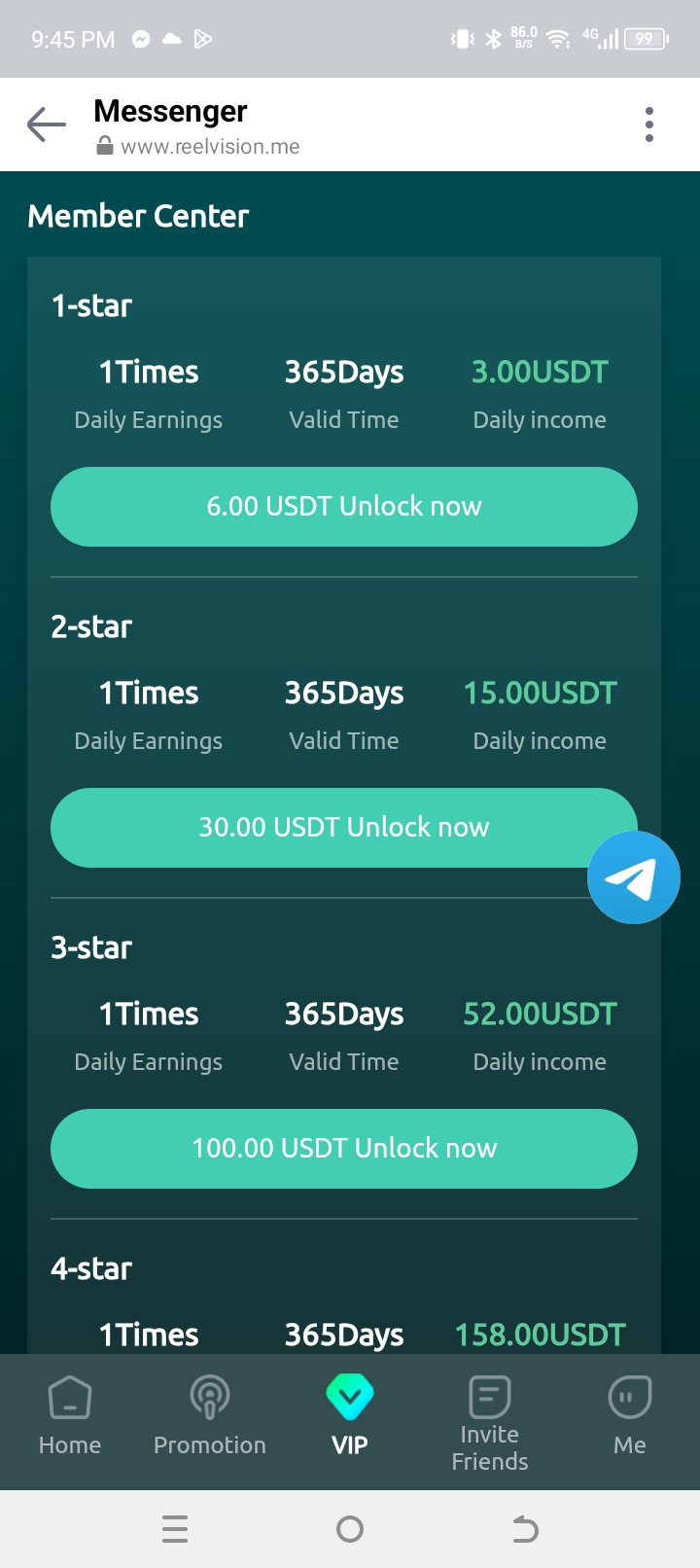
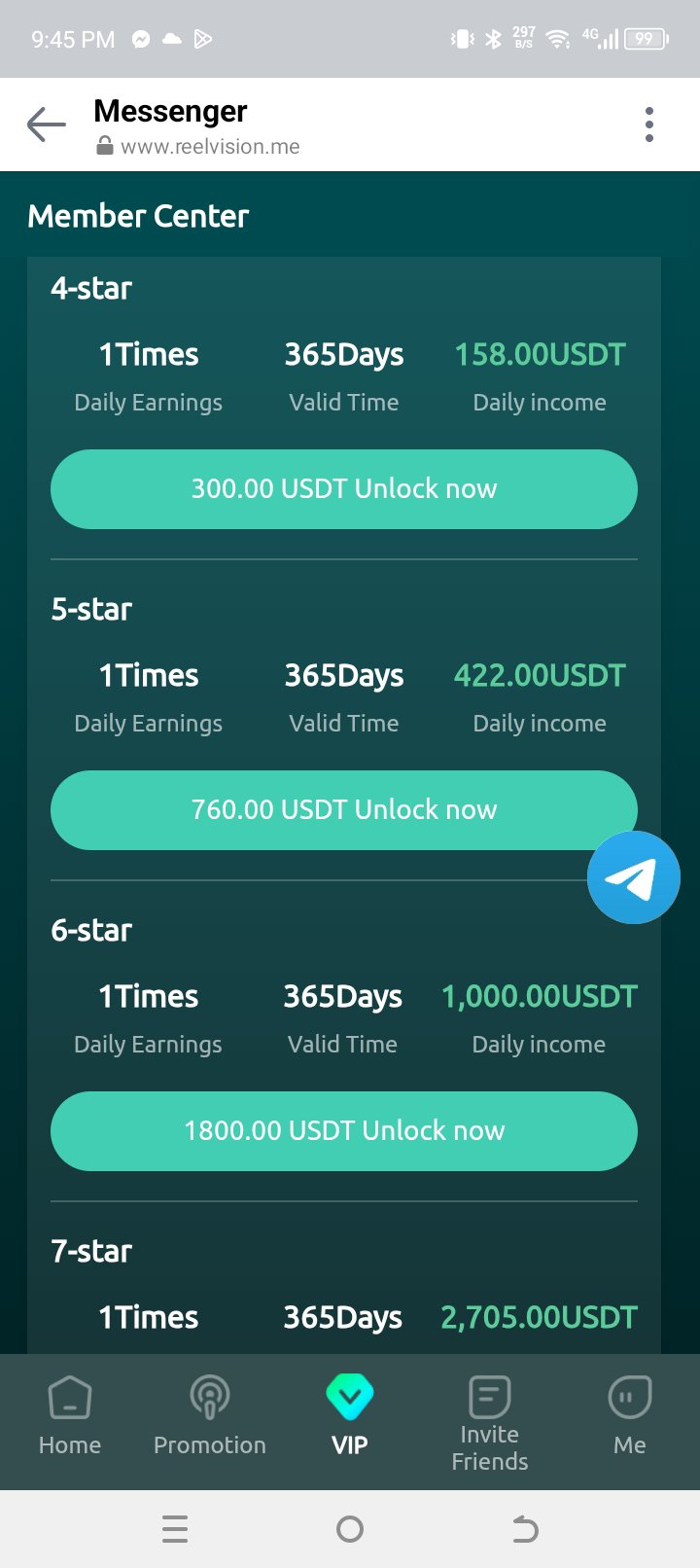
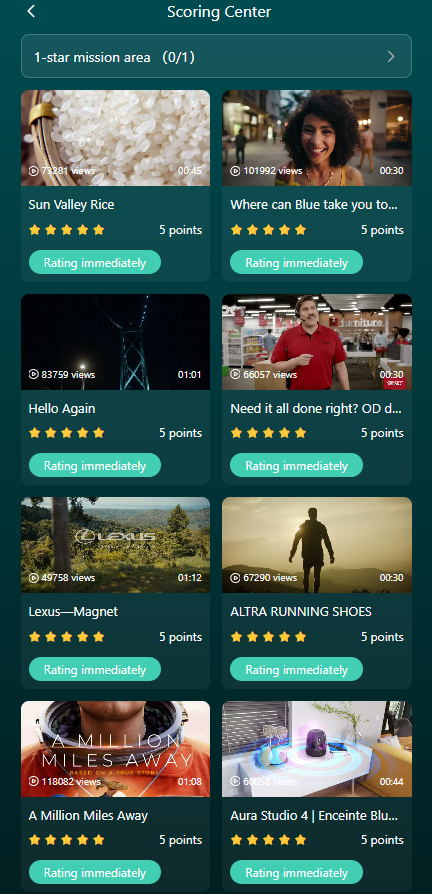
ReelVision.me was promoted through Facebook advertisements and presented itself as a video-rating platform where members could supposedly earn money by watching videos, rating content, and completing simple online tasks.
At first glance, the concept appeared straightforward. Members were instructed to watch promotional videos, rate content, complete assigned tasks, and receive commissions for their activity. The platform also featured account dashboards, earnings displays, withdrawal options, VIP memberships, and progression systems designed to encourage ongoing participation.
However, my concerns increased significantly after testing the platform myself.
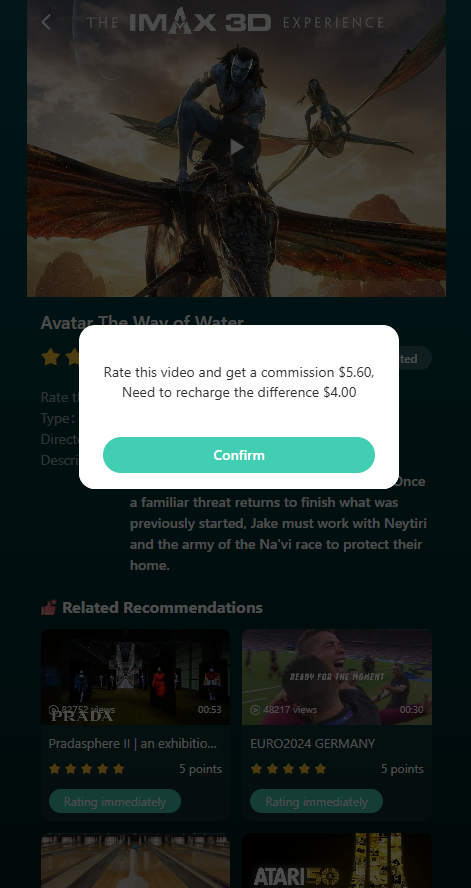
I deposited approximately $6 to better understand how the system operated. While the platform initially displayed earnings and account activity as expected, I soon discovered that withdrawing funds was not as simple as the promotional materials suggested.
Instead, I was informed that additional tasks needed to be completed before a withdrawal could be processed. As I progressed through the system, those tasks increasingly involved additional funding requirements.
One screenshot from my account displayed the following message:
“Need to recharge the difference $4.00”
In other words, before I could continue and potentially access my funds, I was required to deposit additional money into the platform.
The site also utilized a multi-tier VIP structure that encouraged members to unlock progressively higher levels by depositing larger amounts. Screenshots from the platform showed VIP tiers ranging from relatively small entry amounts to increasingly expensive levels that promised substantially larger daily earnings.
For example, the platform displayed projected daily income figures associated with various VIP levels while encouraging users to “unlock” higher tiers through additional deposits.
Another concern was the apparent focus on task completion and account progression rather than transparent information about how revenue was actually generated. Members were rewarded for rating videos and completing activities, but there was little independently verifiable information explaining how those activities produced the returns being advertised.
As with several other platforms discussed throughout this article, the most important question was not whether earnings appeared inside the dashboard. The real question was whether participants could successfully withdraw their funds without encountering additional requirements, funding requests, or new obstacles.
Based on my experience, ReelVision.me exhibited several of the same characteristics found in other investment and task-based schemes, including VIP upgrade systems, deposit-driven progression, withdrawal barriers, referral features, and recurring requests for additional funding before users could move forward.
For that reason, anyone considering a platform such as ReelVision.me should conduct extensive independent research, verify all claims carefully, and pay particular attention to whether withdrawals are processed smoothly and without unexpected conditions.
GlobalQuantify
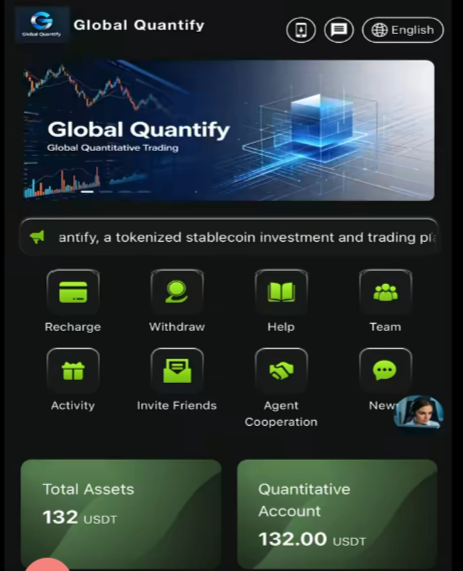
GlobalQuantify presents itself as a sophisticated online trading platform featuring account dashboards, profit tracking, referral-based registration links, and investment opportunities that appear designed to attract individuals interested in cryptocurrency and passive income.
Like many modern online investment platforms, the website uses professional branding, earnings displays, and account metrics that can create the impression of a legitimate and active trading environment. At first glance, these features may appear reassuring to prospective investors.
However, one of the most concerning patterns associated with platforms of this type involves the withdrawal process.
Multiple reports describe situations in which investors attempting to access their funds were informed that additional payments were required before withdrawals could be approved. These requests may be presented as verification fees, tax obligations, security deposits, compliance checks, account upgrades, liquidity requirements, or other administrative charges.
While the explanations may vary, the outcome is often remarkably similar: additional money is requested before existing funds can be released.
Another factor worth noting is the platform’s use of invitation-based registration and referral mechanisms. Investors should always take the time to understand how a platform generates revenue, whether profits can be independently verified, and whether earnings appear to rely primarily on investment activity or on the continuous recruitment of new participants.
As with any online investment opportunity, the most important question is not how impressive the dashboard appears or how easily deposits can be made. The true test is whether investors can withdraw their funds smoothly, transparently, and without encountering unexpected conditions or repeated demands for additional payments.
For that reason, anyone considering a platform such as GlobalQuantify should conduct extensive independent research, verify all claims carefully, and exercise caution before committing funds.
CF Banque Investment
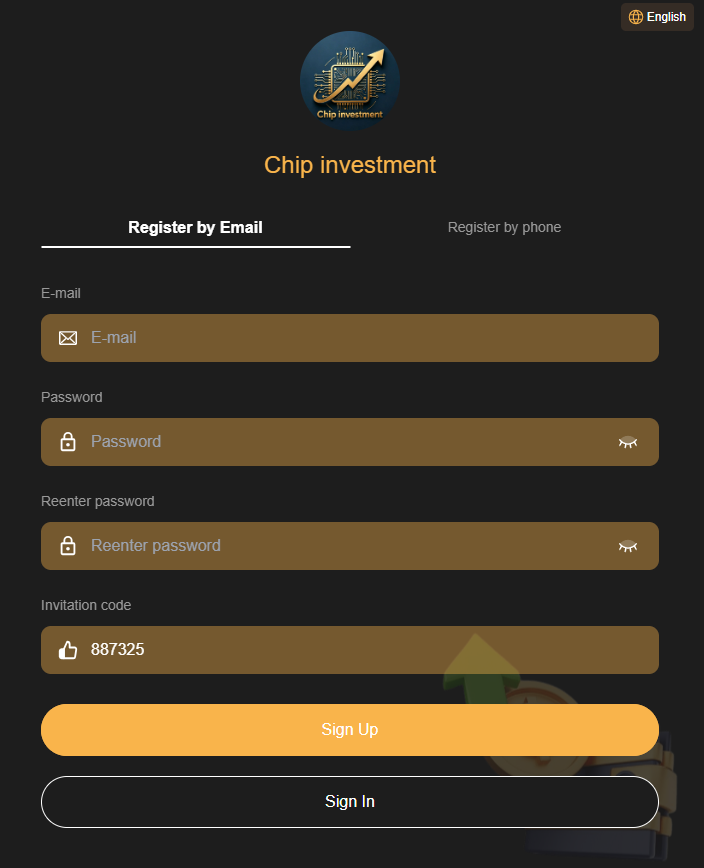
CF Banque Investment uses financial terminology and branding designed to create the impression of an established banking institution. Despite the professional presentation, potential investors should carefully verify any claims regarding licensing, regulation, and corporate registration before depositing funds.
The platform follows a familiar formula seen across numerous online investment promotions, including referral codes, invitation-based registration, and promises of attractive returns.
Hilton.ceo
Hilton.ceo appears to leverage name recognition associated with a well-known global hotel brand despite having no publicly verifiable affiliation with that organization.
The platform combines prestige branding with investment opportunities, referral incentives, and promises of financial growth. This type of association can create a false sense of trust and legitimacy, making independent verification especially important.
GlobalVPP
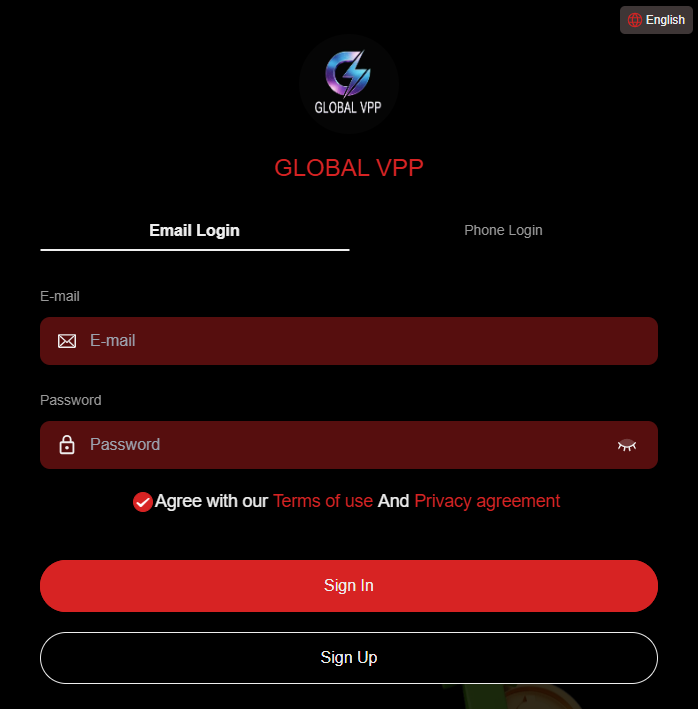
GlobalVPP follows a structure commonly seen among online investment schemes promoted through Facebook and Telegram channels. Registration requires invitation codes, users are encouraged to recruit others, and the platform emphasizes investment returns without providing the level of transparency typically expected from regulated financial institutions.
Additional Platforms and Promotions Reported by Readers and Community Members


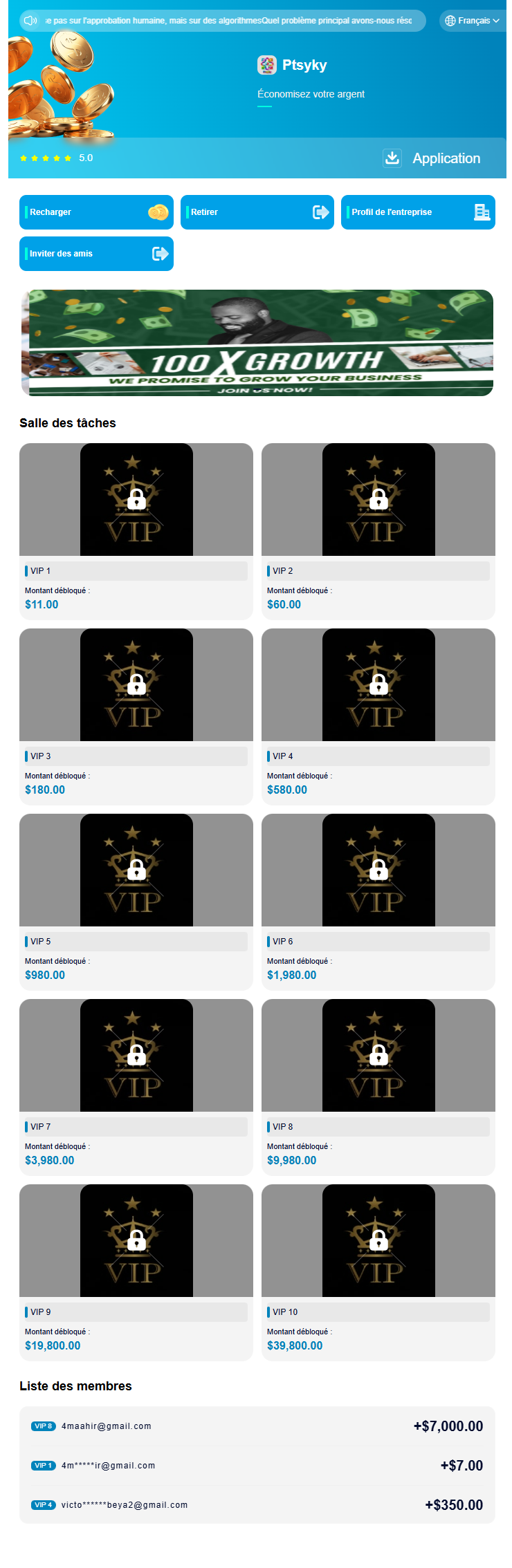
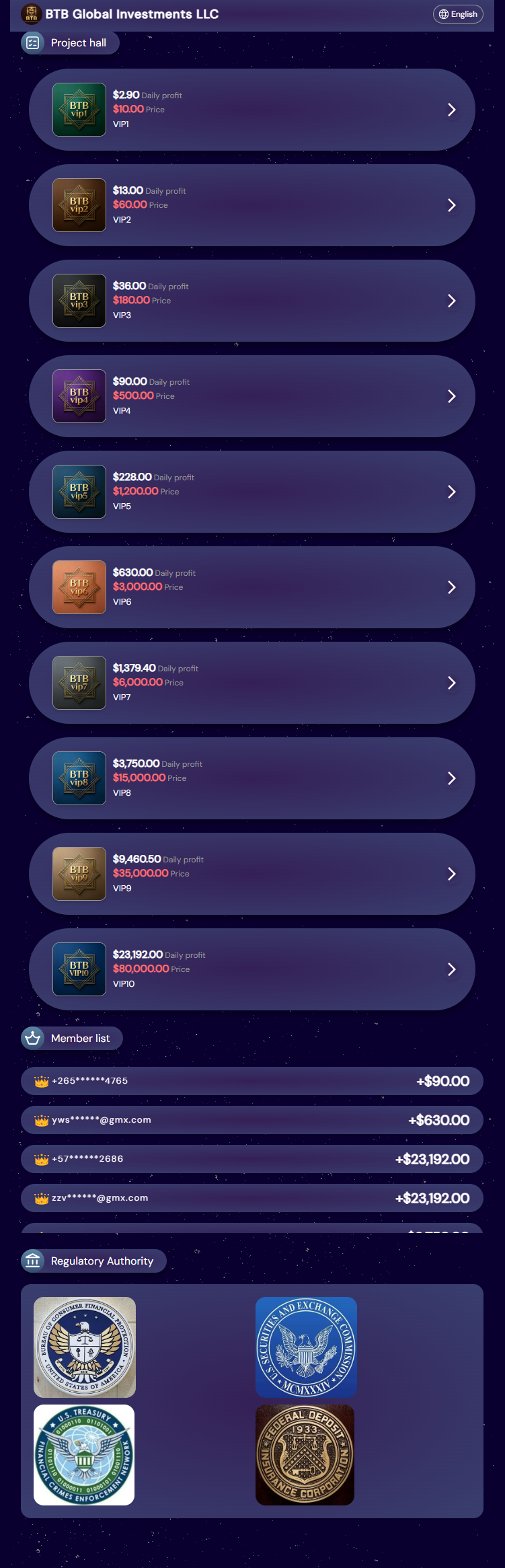
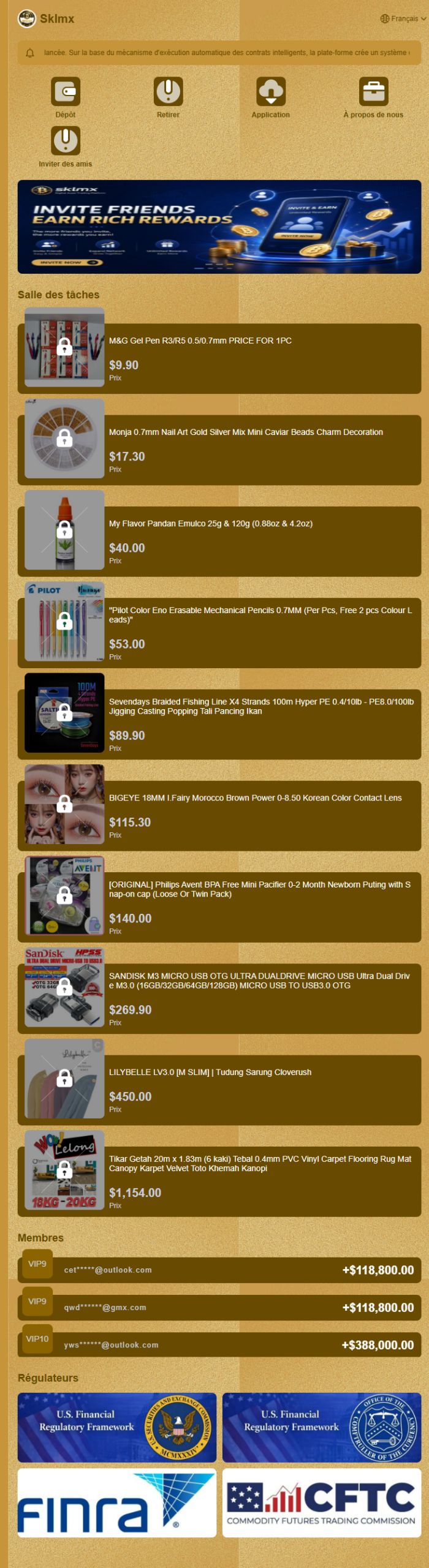
The following websites, groups, and promotions have repeatedly been brought to my attention by readers and individuals who reported concerns about their experiences
- HRBCHSM
- PTSYKY
- SKLMX
- BTB Global Investment
- Various “Binance Investing” groups and promotions
- Facebook Reel advertisements promoting high-yield investment opportunities
The Endless Withdrawal Trap
One of the strongest warning signs I encountered personally—and one repeatedly reported by others—is what I call the Endless Withdrawal Trap.
The process usually begins smoothly.
Deposits are accepted without issue. Account balances appear to grow. Tasks are completed. Earnings are displayed. The dashboard creates the impression that profits are accumulating and that everything is working exactly as promised.
The problems often begin when investors attempt to access their funds or move to the next stage of the process.
Instead of receiving their money, they are informed that an additional payment, deposit, or account upgrade is required before they can proceed.
The explanation may vary:
- Verification fee
- Security deposit
- Tax payment
- Compliance charge
- VIP upgrade
- Liquidity fee
- Wallet activation fee
- Account unlock fee
- Additional recharge requirement
At first, the request may appear reasonable. The amount is often relatively small compared to the balance displayed in the account, making it tempting to comply in the hope of unlocking a much larger payout.
However, this is where many investors become trapped.
In my own experience with Access Investment Capital, Binance Digital, ReelVision, and similar investment promotions, each attempt to move forward was frequently met with a new requirement, a new explanation, or a new payment request.
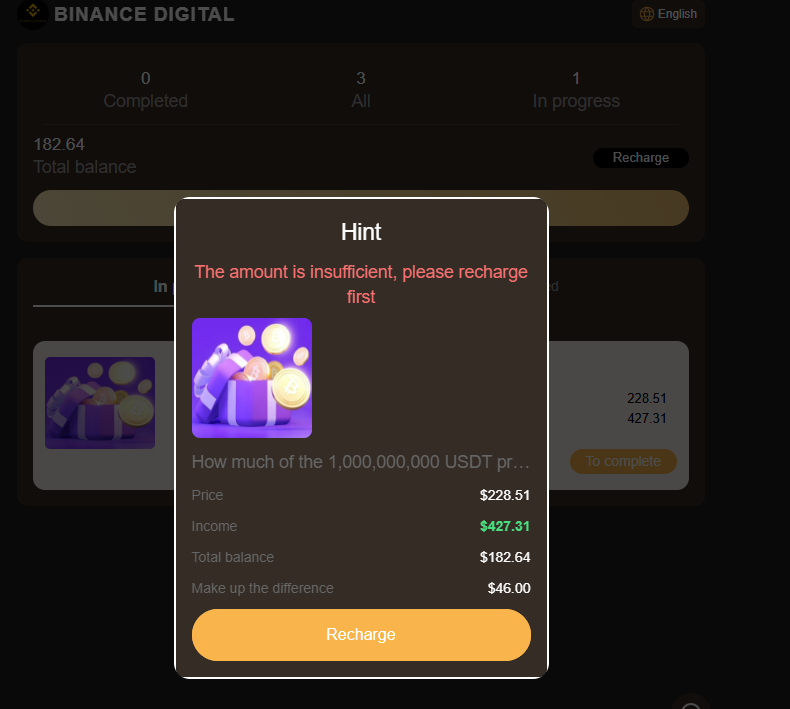
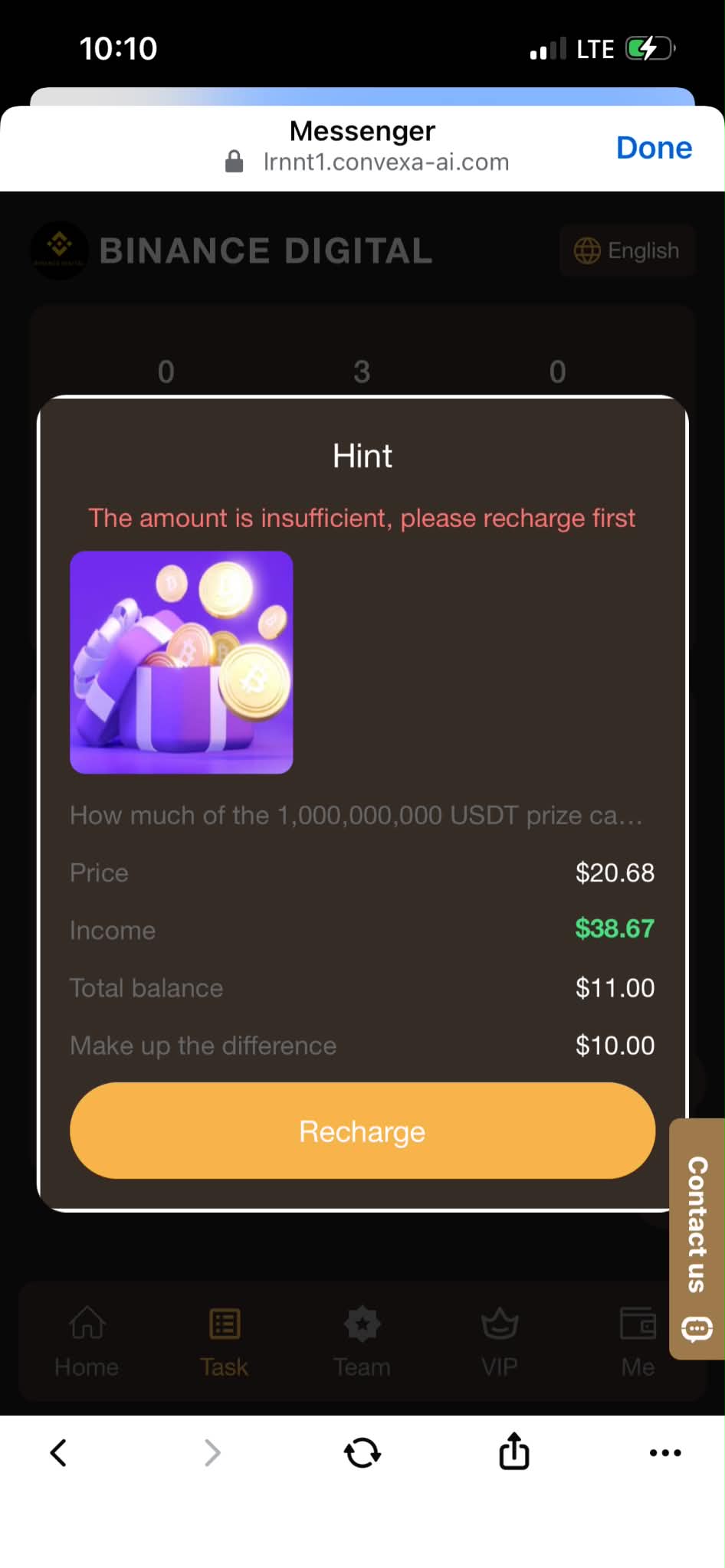
One screenshot from my Binance Digital account illustrates this pattern particularly well. When attempting to complete a task, the platform displayed a message stating:
“The amount is insufficient, please recharge first.”
The system then calculated the exact additional amount that needed to be deposited before the process could continue.
Experiences like this reinforced a lesson that I learned the hard way:
A balance displayed on a website is not the same thing as money successfully returned to your bank account or crypto wallet.
The true test of any investment platform is not how easily it accepts deposits. The true test is whether investors can withdraw their funds without delays, changing conditions, repeated account upgrades, or demands for additional payments.
In my experience, the moment a platform requires you to send more money in order to access money that supposedly already belongs to you, that should be treated as a significant warning sign.
Legitimate financial institutions generally deduct valid fees directly from existing balances or disclose costs upfront. They do not create an endless cycle of new deposits that must be made before a withdrawal or payout can be completed.
If there is one lesson I wish I had understood sooner, it is this:
Never judge an investment platform by how easily it accepts your money. Judge it by how easily it returns it.
Why Smart, Cautious People Still Fall for Investment Scams
After experiencing the Endless Withdrawal Trap firsthand, I found myself asking a difficult question:
How do intelligent, cautious, and financially responsible people get caught in schemes like these in the first place?
For a long time, I believed investment scams only happened to people who were inexperienced, uninformed, or careless. Yet despite researching opportunities, asking questions, and trying to make sensible financial decisions, I found myself caught in one as well.
That’s when I realized the problem wasn’t a lack of intelligence.
The reality is that many victims are smart, educated, and responsible individuals who simply encounter a highly sophisticated scam at the wrong moment. In fact, the most successful fraud operations often target people who are actively looking for legitimate ways to grow their wealth, diversify their income, or improve their financial future.
These schemes don’t succeed because people are foolish.
They succeed because scammers have become experts at exploiting trust, hope, urgency, and human emotion. They understand how people make decisions, how confidence is built, and how psychological triggers can override even the most cautious instincts.
The truth is that becoming a victim of a well-designed scam is not a reflection of your intelligence. It is a reminder that even smart people can be manipulated when fraudsters understand human psychology better than their victims understand the scam.
Trust in the Binance Brand
One of the reasons these scams are so effective is that they often hide behind the reputation of trusted brands.
When people see Binance logos, Binance-style interfaces, or advertisements suggesting a connection to one of the world’s largest cryptocurrency exchanges, their natural skepticism is lowered.
The scammer’s goal is simple: borrow the credibility of a trusted brand before victims have an opportunity to verify whether the connection is real.
Most people assume that if an advertisement is running on Facebook and appears connected to a well-known company, it must have been vetted.
Unfortunately, scammers understand this assumption and exploit it.
Fear of Missing Out (FOMO)
Many victims don’t invest because they are greedy.
They invest because they don’t want to miss an opportunity.
Scammers create a sense of urgency through phrases such as:
- Limited spots available
- Exclusive invitation only
- Special VIP access
- Early investor opportunity
- Join before registration closes
The message is always the same:
“Act now or you’ll miss out.”
When people feel they may be losing a valuable opportunity, they often make decisions more quickly and perform less due diligence than they normally would.
Seeing Others Appear to Profit
Humans naturally look to others when making decisions.
That is why scam operations invest heavily in creating social proof.
Victims are shown:
- Profit screenshots
- Withdrawal confirmations
- Success stories
- Positive testimonials
- Active Telegram discussions
- Members celebrating earnings
The problem is that much of this activity may be fabricated, manipulated, or carefully staged.
When it appears that everyone else is making money, people begin to believe the opportunity must be legitimate.
The Power of Small Initial Deposits
Many scams don’t begin by asking for thousands of dollars.
Instead, they start with a small amount.
Perhaps $3
Perhaps $6
Perhaps $12
Perhaps $50.
Perhaps $100.
Perhaps a few hundred dollars.
The small entry point lowers resistance and makes the decision feel less risky.
Once the initial deposit is made, victims become emotionally invested in the platform and more likely to continue participating.
What seemed like a minor experiment gradually becomes a much larger commitment.
Escalation of Commitment
One of the strongest psychological forces at work in investment scams is escalation of commitment.
After someone has already invested time, money, and emotional energy into a platform, walking away becomes increasingly difficult.
Instead of asking:
“Should I stop now?”
Victims often find themselves thinking:
“I’ve already invested this much. Maybe one more deposit will solve the problem.”
Scammers understand this perfectly.
That is why many fraudulent platforms continue introducing new fees, upgrades, verification requirements, and withdrawal conditions. Each new request is designed to keep victims committed just a little longer.
The Hope of Recovering What Was Already Lost
Perhaps the most powerful emotion of all is hope.
When a victim realizes something may be wrong, they often face a difficult choice.
Accept the loss and walk away.
Or believe that one final payment, one final verification step, or one final fee will unlock their funds.
Many people choose the second option because they desperately want to recover what they have already invested.
This is exactly what fuels the Endless Withdrawal Trap discussed earlier in this article.
The scam is no longer about making profits.
It becomes about trying to recover money that has already been lost.
The Real Lesson
If there is one lesson I hope readers take away from this article, it is this:
Becoming a victim of an investment scam is not a sign of low intelligence.
These schemes are carefully designed to exploit trust, hope, urgency, social proof, and human emotion.
The best protection is not assuming you are too smart to be scammed.
The best protection is understanding how these psychological tactics work before you encounter them.
Because once you recognize the pattern, the illusion begins to disappear—and that may save you from becoming the next victim.
Common Warning Signs Observed Across Multiple Platforms & Social Media
While the names may change, many of these promotions share the same core characteristics.
Referral-Based Compensation
Many programs heavily reward recruitment rather than investment performance.
Common examples include:
- Level 1 referral commissions
- Level 2 team bonuses
- Level 3 recruitment rewards
- Deposit matching bonuses
- Team-building incentives
When earnings depend primarily on bringing in new participants, investors should proceed with caution.
Telegram-Centered Recruitment
Many promotions rely heavily on private Telegram groups where:
- Opportunities are presented as exclusive
- Administrators remain anonymous
- Questions are discouraged
- Members are encouraged to recruit friends and family
- Urgency is used to encourage deposits
Emotional and Community-Based Marketing
Some advertisements focus heavily on themes such as:
- Helping others
- Public welfare
- Community support
- Friendship
- Building a better future together
While these messages may sound positive, emotional storytelling should never replace transparency, regulation, and verifiable business information.
Unverified Investment Claims
Many platforms reference:
- AI trading
- Quantitative investing
- Automated trading systems
- Crypto arbitrage
- Passive income opportunities
Yet provide little independently verifiable evidence explaining how profits are actually generated.
Suspicious Website Characteristics
Many platforms share common website traits, including:
- Unusual domain extensions such as .vip, .top, .cc, or .ceo
- Registration through invitation codes
- Limited corporate information
- Lack of regulatory disclosures
- Heavy emphasis on recruiting and depositing funds
Deposit-First Business Models
A recurring pattern is the requirement to:
- Register an account
- Make an initial deposit
- Upgrade membership levels
- Purchase VIP packages
- Recruit additional members
before meaningful earnings or withdrawals are supposedly available.
When deposits become the primary focus of a platform’s business model, investors should take a step back and conduct thorough due diligence before risking additional funds.
Questions Every Investor Should Ask Before Investing in Binance Digital Type Scams
Before sending money to any online investment opportunity, ask:
- Is the company regulated by a recognized financial authority?
- Can management be independently verified?
- Are audited financial statements available?
- Is revenue generated from actual business activity or from new deposits?
- Can withdrawals be verified by independent sources?
- Is recruiting new members required to maximize earnings?
The internet is full of legitimate investment opportunities, but it is also full of schemes that rely on urgency, recruitment, emotional marketing, and promises of easy money. If an opportunity combines cryptocurrency deposits, Telegram recruitment, referral commissions, and claims of consistent profits, investors should exercise heightened caution and perform extensive due diligence before participating.
How to Protect Yourself From these types of Fake Binance Digital Scams
Protection starts with a simple rule: if a crypto investment opportunity found you through a Facebook ad, treat it as suspicious by default. Legitimate platforms grow through reputation, regulatory compliance, and organic trust — not through paid social media campaigns promising guaranteed returns.
The following steps are practical, actionable, and take less than five minutes each. Apply them every single time you encounter an unfamiliar crypto investment platform, regardless of how professional it looks.
1. Always Verify Platform URLs Against Binance’s Official Site
Binance operates exclusively through binance.com and its officially listed regional domains. Any platform claiming Binance affiliation that operates on a different domain — especially domains using .cc, .top, .vip, .ceo, or randomized subdomains — is not Binance. Bookmark the official site and use it as your single source of truth. If a platform isn’t listed or linked from binance.com directly, it has no legitimate connection to the exchange.
2. Never Join Investment Groups From Facebook Ads or Unsolicited Links
Telegram groups promoted through Facebook ads or embedded in landing page URLs are almost universally part of a scam funnel. Legitimate investment communities are found through verifiable, established sources — not through unsolicited ad clicks. The moment a platform directs you to a Telegram group as part of its onboarding process, exit immediately.
3. Treat Any Referral Bonus Above 5% as a Warning Sign
Referral programs exist in legitimate finance, but they are modest and capped. When a platform offers 10%, 20%, or multi-tier commissions for recruiting new depositors, the returns are being funded by new deposits — not real investment profits. That is the definitional structure of a Ponzi scheme. The higher the referral bonus, the faster you should walk away.
4. Report Suspicious Facebook Ads Directly to Meta
Every Facebook ad has a three-dot menu in the top right corner. Click it, select “Report Ad,” and choose the most relevant category — typically “Scam or Fraud” or “False Information.” This takes under 30 seconds and directly contributes to Meta’s ad review process. Reporting also creates a paper trail that consumer protection agencies can use when investigating large-scale fraud networks. Your report genuinely matters.
5. Check Platforms Against ScamAdviser or WHOIS Before Depositing
Before sending a single dollar to any unfamiliar crypto platform, run the domain through ScamAdviser.com or a WHOIS lookup tool like who.is. ScamAdviser assigns a trust score based on domain age, hosting location, registrant anonymity, and known fraud reports. A domain registered within the last 90 days with hidden registrant details and hosting in a jurisdiction with weak financial regulation is an almost certain fraud indicator. Every platform in this scam network would fail this check immediately.
What to Do If You Already Clicked or Deposited
First — don’t panic, and don’t deposit more money. The single most damaging mistake victims make after realizing something is wrong is attempting to “recover” their funds by making additional deposits. Scammers are trained to keep you engaged at this point, often telling you that one more payment will unlock your withdrawal. It won’t. Every additional deposit is simply more money lost.
If you’ve only clicked the ad and entered an email or phone number without depositing, your immediate risk is targeted phishing. Change any passwords associated with the email address you used, enable two-factor authentication on all financial accounts, and be on high alert for follow-up contact from “account managers” claiming to help you get started. They are part of the same operation.
Immediate Steps to Limit Further Damage
If you’ve already made a deposit, act fast across these specific steps:
- Contact your bank or payment provider immediately — report the transaction as fraud and request a chargeback if payment was made by card. Crypto transfers are irreversible, but fiat payment methods often have fraud protection windows.
- Document everything — screenshot the platform, the Facebook ad, any Telegram messages, transaction receipts, and all communications. This documentation is essential for any fraud report or legal action.
- Disconnect your crypto wallet — if you connected a wallet like MetaMask to the platform, revoke all token approvals immediately using a tool like revoke.cash.
- Do not engage further with the platform or its “support team” — any continued contact is designed to extract more money from you under the guise of fees, taxes, or verification requirements.
- Warn your contacts — if you shared a referral link before realizing it was a scam, notify everyone you sent it to immediately.
How to Report Crypto Fraud to Authorities
Reporting isn’t just about recovering your own funds — it’s about shutting down operations that are actively harming others right now. The platforms identified in this network are still running live ad campaigns. Every report filed brings them closer to being taken down.
Here’s exactly where to report, depending on your location:
| Country | Reporting Authority | Website |
|---|---|---|
| United States | FTC & IC3 (FBI) | reportfraud.ftc.gov / ic3.gov |
| United Kingdom | Action Fraud | actionfraud.police.uk |
| Australia | ScamWatch (ACCC) | scamwatch.gov.au |
| Canada | Canadian Anti-Fraud Centre | antifraudcentre-centreantifraude.ca |
| European Union | ECC-Net / Local Cybercrime Unit | eccnet.eu |
| Global | INTERPOL Financial Crimes | interpol.int |
Scammers Are Getting Smarter — Stay One Step Ahead
The scam network behind these Binance-branded Facebook ads is not a small, disorganized operation. It’s a coordinated infrastructure — multiple domains, multiple Facebook ad accounts, rotating Telegram groups, and embedded invite code tracking systems that measure conversion rates with the precision of a legitimate marketing team. The domains rotate. The ad creatives refresh. The Telegram groups get replaced when they’re reported. But the playbook stays exactly the same. That consistency is both how they scale — and how you can always spot them. Every single operation in this network promises fixed returns, uses referral codes, funnels through Telegram, and mimics Binance’s branding. When you see that combination, you’re looking at a scam — full stop, every time, no exceptions.
More Information & Resources
One of the biggest lessons I learned while researching fake Binance investment scams is that scammers constantly change their names, websites, and marketing messages—but the warning signs remain remarkably consistent.
The more informed you are, the easier it becomes to recognize suspicious opportunities before they cost you money.
The following resources can help you verify investment platforms, report fraud, and stay informed about emerging scam trends.
Official Binance Security Resources
Before investing with any platform claiming to be connected to Binance, always verify the information through Binance’s official security and scam alert resources.
Why I Recommend It:
Many of the platforms discussed in this article used Binance branding, logos, colors, or marketing language to create a false sense of legitimacy. Binance regularly publishes warnings about impersonation scams, phishing attacks, and fraudulent investment schemes targeting cryptocurrency users.
ScamWatch
ScamWatch is one of the leading consumer protection resources for tracking investment scams, online fraud, phishing campaigns, and cryptocurrency-related schemes.
Why I Recommend It:
ScamWatch frequently publishes alerts about emerging scam tactics and real-world victim reports. Reading these warnings can help you identify patterns before becoming a victim yourself.
Federal Trade Commission (FTC)
The FTC provides extensive educational materials covering investment scams, cryptocurrency fraud, identity theft, and consumer protection issues.
Why I Recommend It:
The FTC explains scams in plain English and provides practical guidance for consumers who suspect they have been targeted by fraudsters.
Internet Crime Complaint Center (IC3)
The Internet Crime Complaint Center is operated by the FBI and allows individuals to report internet-based fraud, cryptocurrency scams, phishing attacks, and financial crimes.
Why I Recommend It:
If you believe you have been victimized by an online investment scam, filing a report helps authorities track criminal activity and identify emerging fraud networks.
INTERPOL Financial Crime Division
INTERPOL works with law enforcement agencies around the world to combat international fraud, cybercrime, money laundering, and financial scams.
Why I Recommend It:
Many investment scams operate across multiple countries. Understanding the global nature of financial crime helps explain why these operations can be difficult to shut down and why reporting them is important.
ScamAdviser
ScamAdviser analyzes websites using factors such as domain age, ownership transparency, hosting information, and user reports.
Why I Recommend It:
Many fraudulent investment websites are newly registered domains with hidden ownership information. ScamAdviser can provide an additional layer of due diligence before you deposit money.
WHOIS Domain Lookup Tools
WHOIS tools allow you to check when a website was registered, where it is hosted, and whether ownership information is publicly available.
Why I Recommend It:
One of the quickest ways to identify a suspicious investment website is to discover that it was registered only days or weeks ago despite claiming years of experience and thousands of investors.
Trustpilot & Independent Review Sites
Always look for independent reviews before investing with any unfamiliar platform.
Why I Recommend It:
While reviews should never be your only source of information, they can reveal recurring complaints about withdrawal problems, customer support issues, hidden fees, or suspicious business practices.
A Simple Rule to Remember
Whenever you encounter an online investment opportunity, ask yourself:
- Can I verify who owns the company?
- Is the business regulated?
- Can users successfully withdraw funds?
- Is the company transparent about its leadership?
- Does the opportunity make realistic claims?
- Would I still invest if there were no referral commissions involved?
If the answer to several of these questions is unclear, take a step back and investigate further before risking your money.
Fraudsters depend on people acting quickly.
Successful investors take the opposite approach.
They slow down, verify information, ask questions, and perform independent research before making financial decisions.
A few minutes of due diligence today can save you from months—or even years—of financial and emotional stress later.
Recommended Books for Understanding Scams, Persuasion & Financial Fraud
One of the best ways to protect yourself from scams is to understand how fraudsters think, how they influence human behavior, and why even intelligent people can become victims. The following books provide valuable insights into persuasion, deception, decision-making, and financial fraud.
The Confidence Game: Why We Fall for It Every Time by Maria Konnikova
This fascinating book explores the psychology of con artists and reveals how scammers build trust, manipulate emotions, and create believable stories that convince ordinary people to ignore warning signs.
Why I Recommend It:
If the fake Binance investment schemes discussed in this article made you wonder how so many intelligent people could fall victim, this book provides the answer. It explains how confidence scammers exploit trust, hope, greed, fear, and social proof to influence decisions.
Influence: The Psychology of Persuasion by Robert Cialdini
Considered one of the most important books ever written on persuasion, Influence explains the psychological triggers that marketers, salespeople, and scammers use to influence human behavior.
Why I Recommend It:
Many of the tactics used by fake investment platforms—including urgency, authority, scarcity, social proof, and reciprocity—are discussed in detail throughout this book. Once you understand these principles, scam advertisements become much easier to recognize.
Thinking, Fast and Slow by Daniel Kahneman
Written by Nobel Prize-winning psychologist Daniel Kahneman, this book explains how our brains make decisions and why we often rely on mental shortcuts that can lead to costly mistakes.
Why I Recommend It:
Investment scammers rely heavily on emotional decision-making. This book helps readers understand why fear of missing out (FOMO), urgency, and excitement can override rational thinking when evaluating investment opportunities.
Scam Me If You Can by Frank Abagnale
Written by one of the world’s most famous former fraudsters, this book provides practical advice on recognizing and avoiding modern scams.
Why I Recommend It:
The book focuses on real-world fraud prevention and teaches readers how to identify warning signs before becoming victims. It is particularly useful for anyone concerned about online investment scams and identity theft.
Extraordinary Popular Delusions and the Madness of Crowds by Charles Mackay
Originally published in 1841, this classic explores famous financial manias, speculative bubbles, and mass investment frenzies throughout history.
Why I Recommend It:
Although written nearly two centuries ago, the lessons remain surprisingly relevant. The same psychological forces that fueled historical investment bubbles continue to drive many modern crypto and investment scams today.
The Psychology of Money by Morgan Housel
This bestselling book explores the relationship between money, behavior, decision-making, and long-term financial success.
Why I Recommend It:
Many scam victims are not motivated by greed but by hope, financial insecurity, or the desire to improve their future. This book provides a healthier framework for evaluating financial opportunities and avoiding emotionally driven investment decisions.
Never Split the Difference by Chris Voss
Written by a former FBI hostage negotiator, this book teaches readers how to recognize manipulation tactics and negotiate effectively in difficult situations.
Why I Recommend It:
Scammers are skilled communicators. Understanding how manipulation works can help you recognize pressure tactics, emotional triggers, and deceptive conversations before they influence your decisions.
The best defense against investment fraud is not simply learning about a specific scam.
It is understanding the psychology behind all scams.
The platforms may change names, websites, and marketing messages, but the underlying tactics remain remarkably consistent. These books will help you recognize those patterns long before a scammer has the chance to profit from them.
Related Articles With Scam Investigations & Consumer Alerts
If you found this Binance-themed investment scam investigation helpful, you may also want to read these in-depth scam exposure guides:
BG Wealth Sharing Scam 2026: My Personal Experience With AI Professor Beard, Elena, BonChat & DSJEX
Why I Recommend It:
Learn how a platform promising daily crypto returns ultimately collapsed after regulators and law enforcement intervened. This investigation reveals how AI-generated personalities, referral programs, community-building tactics, and withdrawal restrictions were used to build trust before the scheme unraveled.
Aintuition Scam Review: What Happened to Mr. Klaus, the AI Investment Platform & Frozen Withdrawals?
Why I Recommend It:
This detailed review examines another investment platform that promised attractive returns while operating with limited transparency. It explores common warning signs including anonymous leadership, unrealistic earnings claims, withdrawal concerns, and the growing use of artificial intelligence as a marketing tool.
Yepbit Scam: My Experience with Fidelity Capital Investment Group (FCIG) & Professor Jonathan Brook
Why I Recommend It:
One of the first things that stood out to me was how similar the professor-and-assistant structure was to the later scheme involving BG Wealth, Professor Stephen Beard, and his assistant Elena.
In both cases, participants were guided by a so-called investment “expert” supported by a trusted assistant who handled communication, built relationships, answered questions, and helped create an atmosphere of credibility and trust.
While there were differences between the two operations, the overall structure felt strikingly familiar. The fact that Professor Stephen Beard and Elena did not place the same emphasis on team building and recruitment as Professor Jonathan Brook and Sofia does not automatically mean the underlying business model was legitimate.
Scam operations evolve over time. They adapt their marketing, refine their messaging, and modify their recruitment strategies based on what attracts the least suspicion. Some rely heavily on referral programs and team building, while others focus more on authority figures, community trust, AI-generated narratives, exclusive investment groups, or promises of extraordinary returns.
What matters is not whether every tactic is identical, but whether the same warning signs continue to appear: unrealistic profit expectations, limited transparency, pressure to trust rather than verify, withdrawal difficulties, and a business model that becomes increasingly difficult to independently validate.
When I compared the two experiences side by side, I found enough similarities to raise serious concerns. The names, personalities, and marketing approaches may change, but the psychological techniques used to build trust, encourage participation, and keep investors engaged often remain remarkably consistent.
This investigation explores those recurring patterns and highlights why investors should focus less on the personalities involved and more on the underlying warning signs that repeatedly appear across questionable investment schemes.
Why I Recommend It:
This article examines the broader warning signs often associated with questionable business opportunities, referral-driven compensation structures, and allegations of misleading marketing practices. More importantly, it explores how patterns of deception, lack of transparency, and leadership behavior can sometimes reveal more than the promises being made to members and investors.
It’s all about the systematic pattern of deception, the way investors and members were manipulated, and how the leadership prioritized their own gain over transparency and accountability.
What Has Been Your Experience With These Fake Binance Digital Scams?
Have you encountered any of the platforms, Telegram groups, or Facebook advertisements mentioned in this article?
Did you manage to withdraw your funds?
Were you asked to pay additional fees, taxes, verification charges, or deposits before a withdrawal could be processed?
Share your experience in the comments below.
The more information victims and consumers share, the easier it becomes for others to recognize the warning signs before losing money themselves.
Please avoid posting sensitive personal information, wallet addresses, account numbers, or private contact details.
Frequently Asked Questions
Here are direct answers to the most common questions about Binance-branded Facebook investment scams.
Is Binance involved in these Facebook scams?
Binance has no involvement in any of these platforms. The use of Binance’s name, logo, and interface elements is entirely unauthorized. Binance does not run investment programs through Facebook ads, third-party websites, or Telegram groups. Any platform claiming a Binance affiliation that isn’t accessed directly through binance.com is fraudulent. Binance has publicly and repeatedly warned users about impersonation scams of this type.
How do I tell if a crypto investment platform is legitimate?
Legitimate platforms are registered with financial regulators in the jurisdictions where they operate. They have verifiable company information, published compliance documentation, and do not promise fixed or guaranteed returns. Their domains are established — typically several years old — and their business model generates revenue through trading fees, not through recruiting new depositors.
Run every unfamiliar platform through at least two checks before engaging: a WHOIS lookup for domain age and registrant information, and a ScamAdviser trust score review. If the platform arrived via a Facebook ad promising investment returns, that alone should be treated as a red flag severe enough to require verification before taking any further action.
Can I get my money back if I was scammed on a fake Binance platform?
Recovery depends entirely on how you paid. Credit card payments have the strongest chargeback protection — contact your card issuer immediately and report the transaction as fraud. Bank transfers have a narrower window but are sometimes reversible if reported quickly. Cryptocurrency transfers, however, are irreversible by design. Once crypto leaves your wallet to a scammer’s address, it cannot be recovered through technical means.
Be extremely cautious of “crypto recovery services” that contact you after you’ve been scammed. The vast majority of these are secondary scams — known as recovery fraud — that target victims a second time by charging upfront fees to “retrieve” funds that they have no ability to recover. Report the original scam to your national fraud authority and consult a legitimate legal professional if the amount lost is significant.
Why does Facebook keep showing fake crypto investment ads?
Meta’s ad review system relies heavily on automated screening that scammers have become skilled at evading. Fraudulent campaigns use clean creative assets that don’t trigger keyword filters, rotate ad accounts before they accumulate enough reports to be flagged, and use cloaking techniques that show different content to Meta’s review bots than to actual users. The financial incentive to keep running these ads is enormous — a single successful campaign can generate hundreds of thousands of dollars in deposits before it’s removed. Meta has faced regulatory pressure globally over its handling of fraudulent financial advertising, but the volume of new campaigns consistently outpaces enforcement action.
What should I do if someone in a Telegram group is pushing me to invest?
Leave the group immediately. Anyone in a Telegram group — whether they claim to be an account manager, a fellow investor, or even someone asking you the same questions you have — is either a scammer or an unwitting victim being used as social proof. There is no version of this scenario where continued engagement benefits you.
Before leaving, screenshot everything — the group name, the messages, the usernames of admins and active participants, and any platform links shared. This documentation can be submitted to Telegram’s abuse reporting system at abuse.telegram.org and to your national fraud reporting authority.
If the person pushing you to invest is someone you know personally — a friend, family member, or colleague — approach them privately and share this information. There is a strong likelihood they were recruited as a victim first and are now unknowingly spreading the scam through their own network. They need to know what they’re involved in.
The most powerful thing you can do after reading this article is share it. These scam networks thrive on information gaps. The more people who recognize the Binance Facebook ad pattern, the referral invite code structure, and the Telegram group funnel for exactly what they are, the less effective these operations become — and the closer we get to a crypto space where bad actors can’t hide behind trusted names to steal from good people.
Final Verdict
While I did not personally participate in every platform discussed in this article, my experiences with Access Capital Investment, Binance Digital, and ReelVision have made me extremely cautious of online investment opportunities that follow similar patterns.
In my experience, these types of schemes often require a significant investment of time, money, energy, and personal information while offering very little in return. In some cases, participants may experience financial losses, difficulties withdrawing funds, and unnecessary exposure of sensitive personal data.
There is absolutely no transparency about how profits are actually generated.
Some participants may receive small payouts initially or even recover their original investment, as I did with Access Capital Investment. However, early withdrawals or modest profits should never be viewed as proof of legitimacy. In many cases, small payouts can help build trust and encourage larger deposits later.
What concerns me most is the recurring pattern I observed across multiple platforms: referral incentives, VIP upgrades, repeated funding requests, Telegram recruitment groups, and increasing obstacles when participants attempt to withdraw funds.
Before depositing money into any online investment platform, I encourage readers to focus less on the profits being advertised and more on the questions that truly matter:
- Is the company transparent about its ownership and management?
- Is it regulated by a recognized financial authority?
- Can withdrawals be processed quickly and without additional deposits?
- Is the underlying business model independently verifiable?
- Are profits generated from genuine investment activity or primarily from new participant deposits?
Ultimately, protecting your financial security, your personal information, and your peace of mind is far more important than chasing the possibility of a small short-term gain.
Based on my personal experiences and the patterns discussed throughout this investigation,
I would entirely stay away and not participate in platforms that rely on repeated deposit requests, opaque business models, referral-driven growth, or withdrawal processes that become increasingly difficult once money has been committed.
Conclusion
One of the most important lessons I learned while researching and personally experiencing these investment schemes is that the greatest danger is often not the technology itself, but the trust that scammers work so hard to build.
Fraudulent investment platforms understand that people are looking for legitimate ways to grow their savings, diversify their income, and improve their financial future. They also understand the power of trusted brands, professional-looking websites, social proof, and the emotional influence of seeing others appear to profit.
While the specific platforms discussed in this article may eventually disappear, rebrand, or resurface under new names, the underlying tactics often remain remarkably consistent. Domain registrations change, websites are replaced, Facebook pages are removed, and Telegram groups are recreated, yet the same warning signs continue to appear.
These schemes frequently rely on a familiar combination of attractive profit promises, urgency-driven marketing, referral incentives, professional-looking dashboards, and increasingly complicated withdrawal processes that emerge when investors attempt to access their funds.
Understanding these patterns is one of the most effective ways to protect yourself and those around you. The more familiar you become with the warning signs, the easier it becomes to identify potential scams before money is deposited and losses occur.
My hope is that by sharing my experiences with Binance Digital, Access Capital Investment, ReelVision, and similar investment promotions, others will be better equipped to ask questions, conduct proper due diligence, and make informed financial decisions.
Ultimately, education remains one of the strongest defenses against fraud. By staying informed, verifying claims independently, and approaching investment opportunities with healthy skepticism, investors can significantly reduce their risk of becoming victims of these increasingly sophisticated schemes.
If sharing my experiences helps even one person avoid losing money to a similar scheme, then writing this investigation was worth it.
Disclosure
Some of the links in this article may be affiliate links. This means that if you choose to make a purchase through one of these links, I may earn a small commission at no additional cost to you.
I only recommend books, services, products, tools, or communities that I genuinely find interesting, useful, or aligned with the ideas discussed on this site and that I am using myself.
My goal with WorkingWithKirsten.com is to explore thoughtful perspectives on online culture, digital entrepreneurship, and building a more intentional internet lifestyle. Any resources mentioned are shared with the intention of helping readers explore these topics further.
Thank you for supporting this work and for being part of the conversation.
Financial & Editorial Disclosure
The platforms, websites, groups, and promotions discussed in this article have been reported to me by readers, community members, and individuals who shared experiences similar to my own. In some cases, I personally interacted with or deposited funds into the platforms discussed.
The observations, opinions, and conclusions presented in this article are based on my personal experiences, reader reports, publicly available information, and publicly observable characteristics at the time of writing.
Nothing in this article should be interpreted as legal, financial, investment, or regulatory advice, nor does inclusion in this article constitute a legal determination of fraud or wrongdoing. Readers should conduct their own independent research, perform appropriate due diligence, and consult qualified professionals before making any financial or investment decisions.
The purpose of this article is to educate consumers, share experiences, highlight potential warning signs, and encourage informed decision-making when evaluating online investment opportunities.

Hi, I’m Kirsten!
I started Working with Kirsten to share my journey of rebuilding from burnout, scams, and setbacks — and to help others create purpose-driven income online.
Over the years, I’ve explored nearly every online business model you can think of — eBay, Amazon, Kindle publishing, Etsy, eCommerce — chasing freedom, creativity, and stability. Some of it worked. Some of it didn’t. I eventually burned out hard after losing my Kindle account, and later, I hit rock bottom when I was caught in one of the biggest affiliate scams of 2024, losing over $14,000 in unpaid earnings.
That moment nearly ended everything.
But instead of giving up, I used what I’d learned to rebuild. I found my mentor, tapped back into my creative energy, and started building a business that actually felt good to run — not just profitable, but meaningful.
That’s how Working with Kirsten and my philosophy of Helponomics were born — the idea that by helping others first, success naturally follows.
Today, I’m a digital creator and affiliate marketer focused on ethical partnerships, aligned offers, and creating income that’s both sustainable and soul-led.
Whether you’re just starting out or starting over, I’m here to show you that you don’t need to hustle yourself into exhaustion or fall for the hype. You can build a business with purpose, resilience, and heart — and I’d love to help guide you every step of the way.