Are Ponzi Schemes Illegal? How Bobby Jones’s Cliqly & Clickerr Mirror Alex Mehr and Tai Lopez Scam & Investor Scandal
Introduction – Why I Had to Watch This Twice
When I first came across the video breaking down the SEC complaint against Tai Lopez, I honestly wasn’t expecting much. I’ve seen countless social media gurus, flashy online courses, and investment “opportunities” pitched as the next big thing. Usually, it’s just noise — hype, marketing, and a lot of promise with very little substance.
But something about this video made me pause. By the time I watched it a second time, I couldn’t shake the feeling of déjà vu. The claims laid out against Lopez — delayed disclosure of financial losses, commingling funds, using new investor money to pay older investors, and lavish personal spending — rang alarm bells that sounded eerily familiar.
And then it hit me. The patterns described in the video mirrored almost exactly what happened with Bobby and the Cliqly/Clickerr situation. It wasn’t the individual personalities that mattered; it was the systematic pattern of deception, the way investors and members were manipulated, and how the leadership prioritized their own gain over transparency and accountability.
This post is my attempt to break down that comparison. I want to show, side by side, how the SEC’s allegations against Lopez line up with what I personally experienced with Cliqly and observed with Clickerr. My goal is educational: to help you spot warning signs, understand how Ponzi-like schemes operate, and learn from my firsthand experience so you don’t fall into similar traps.
It’s also personal. I lived through the stress, uncertainty, and frustration of being a Cliqly member. I want this post to be more than just a dry comparison — I want it to convey the lessons I learned, mistakes I now see clearly in hindsight, and insights that can help other entrepreneurs and investors make better decisions.
By the end of this article, you’ll see the patterns for yourself — the missed payouts, the misleading presentations, the commingling of funds — and understand why recognizing these warning signs early can save you a lot of trouble.
My Personal Connection — Living Through Cliqly
Being a member of Cliqly wasn’t just about logging in, learning, or networking — it was a real emotional rollercoaster. At first, the promises sounded exciting. Bobby painted a picture of entrepreneurship and financial success that felt achievable. I remember thinking, “This could really change my life if I just follow the system.”
But soon, the red flags started piling up. Payouts were delayed. Updates were vague. Every time I asked for clarity about the company’s financials, the answers were evasive or simply nonexistent. In my notes, I wrote: “They say everything is cash flow strong, but something doesn’t feel right. Why can’t we see the numbers?”
The deeper I got, the more I saw patterns that now, in hindsight, are unmistakable:
-
Delayed or hidden financial disclosures: Just like in the Lopez case, where the SEC complaint highlighted that investors weren’t told the brands were losing millions for over a year, Cliqly members were kept in the dark about our actual financial situation. I remember thinking, “They’re telling us the ship is sailing smoothly, but my gut says we’re already in stormy waters.”
-
Commingling of funds to cover shortfalls: When Lopez allegedly moved money between brands to pay investors, it was identical to what I observed with Cliqly. Funds meant for one purpose were quietly redirected to patch holes elsewhere. My journal entry said: “It feels like they’re just shuffling money around to keep people happy, not actually fixing the business.”
-
Raising new funds to cover old promises: In the Lopez situation, new investors were tapped to pay older ones — the classic Ponzi setup. Cliqly followed the same blueprint. As I once told a friend, “It’s like they’re trying to keep the illusion alive at any cost — raising new money to make the old numbers look good.”
-
Lavish personal spending amid financial losses: Lopez allegedly took millions for personal luxuries while investors were in the dark. Similarly, Bobby flaunted success — flashy cars, trips, and events — while members were left uncertain about payouts. I remember thinking, “How can someone throw these parties when our accounts aren’t even adding up?”
The combination of these factors made it impossible to ignore the reality: Cliqly was a textbook case of a Ponzi-like pattern, even if it wasn’t officially labeled as such at the time.
By sharing my personal experience here, I hope to illustrate something critical: it’s not just about following the hype or trusting the “guru” figure. It’s about recognizing behavioral patterns, financial red flags, and systemic issues that can appear in any organization. My journey through Cliqly wasn’t just a loss of money — it was a crash course in learning to read the warning signs before it’s too late.
If I had known then what I know now, I would have immediately questioned the missing financials and the constant push to buy more programs. As I reflected later, “The patterns aren’t coincidences — they’re a playbook. Once you see them, you can’t unsee them.”
The One-to-One Comparison — The Identical Blueprint: Lopez & Mehr vs. Jones & Beeson from Cliqly” or “Side-by-Side: The Ponzi-Like Playbook
This is where the story gets really revealing. Watching the video about Tai Lopez, I kept pausing and thinking, “Wait, this is exactly what happened with Cliqly.” It wasn’t just a vague similarity — the accusations, patterns, and sequences lined up eerily well. To make it clear, I want to break it down side by side so you can see exactly how a Ponzi-like scheme operates in real life.
| Pattern / Behavior | Tai Lopez (as per SEC complaint) | Bobby Jones (Cliqly Bankruptcy) | My Reflection / Experience |
|---|---|---|---|
| Delayed financial disclosure | Investors were not told for months/years that brands were losing millions; only disclosed once money was raised and failure was imminent. | Members were not shown accurate financials; vague statements claimed “cash flow strong” while losses were mounting. | “Every time I asked Bobby for the numbers, he dodged or said everything was fine. It felt like déjà vu when I watched the Lopez breakdown.” |
| Commingling of funds | Money was transferred between portfolio companies to cover obligations to investors of other brands. | Cliqly funds were shuffled internally to cover payouts to some members while leaving others unpaid. | “I remember seeing payments come through here and there, but it didn’t make sense where the money was coming from. They were juggling accounts to keep the illusion alive.” |
| Raising new funds to pay old investors | Lopez allegedly used new investor money to pay returns to earlier investors. | Bobby continually pushed new programs, subscriptions, and investment rounds to pay older members. | “It finally clicked for me: this isn’t growth. It’s a loop — money in from new members to keep old promises.” |
| False claims of profitability or success | Promised high returns (12–25% annually), presented the portfolio companies as highly profitable, and misrepresented personal gains. | Bobby repeatedly boasted about success, claimed programs would yield massive returns, and highlighted personal wealth to impress members. | “I remember the flashy stories, the parties, the cars — all while the financial statements told a different story.” |
| Investor/Members deception | Held conferences and sent emails painting a positive picture despite losses. | Hosted webinars, town halls, and emails claiming the company was thriving while payouts were late or missed. | “I kept comparing what was said in the Zoom calls versus what I was seeing — it never matched up.” |
| Personal enrichment amid losses | Lopez and associates allegedly took $16 million for themselves while businesses struggled. | Bobby took a percentage of member funds to fund lifestyle or other ventures, leaving members at financial risk. | “Seeing him flaunt success while some of us were scrambling for refunds or clarity made the pattern painfully clear.” |
| Eventual collapse / bankruptcy | Brands eventually failed, leaving investors with losses. | Cliqly eventually folded leaving members with huge financial losses, Clickerr showed signs of similar financial mismanagement. | “The slow unraveling over months, then years, finally validated every gut feeling I had along the way.” |
Key Takeaways From the Comparison
Watching Lopez’s situation unfold helped me see something I couldn’t fully articulate during my Cliqly experience: there’s a predictable blueprint for Ponzi-like schemes. The same behavioral patterns repeat:
Over-promising, under-delivering — high returns, flashy stories, or misleading metrics.
Control of information — hiding losses until it’s “safe” to reveal them.
Circular funding — using new money to prop up earlier commitments.
Lifestyle signaling — flaunting wealth to maintain credibility.
Inevitable collapse — eventually the scheme unravels when cash flow runs out.
Watching Lopez’s alleged actions laid this blueprint out clearly. For me, the lesson was not just about recognizing fraud in hindsight — it was about understanding the warning signs so I could educate myself and others. As I wrote in my journal back then: “Once you see the pattern, you can’t ignore it. And you can’t unknow it.”
By laying this out side by side, it becomes clear that while the personalities and businesses differ, the structural playbook is almost identical. That’s why I wanted to share this comparison — it’s not about Lopez or Bobby individually, but about the behaviors and patterns that can jeopardize anyone involved.
Lessons Learned & Educational Insights
This is the part where I step back from the story and try to make sense of it, both as a participant and as someone who wants to educate others. Watching the Lopez breakdown and comparing it to what I experienced with Bobby and Cliqly, I realized that there are very specific lessons here — lessons that anyone involved in investments, memberships, or online programs should know.
Trust, But Verify — Always Look at the Numbers
One of the first red flags in both cases was the misrepresentation of financials. Lopez allegedly claimed companies were profitable when they weren’t. Bobby Jones & David Beeson did the same with Cliqly.
My personal takeaway:
“I realized I could not take any verbal assurances at face value. I started asking for spreadsheets, statements, and proof. If it wasn’t documented, it wasn’t real.”
The educational point here is that no matter how charismatic the person is or how convincing their pitch seems, financial transparency is non-negotiable. Investors and members need hard data, not hype.
Patterns of Deception Are Predictable
Both Tai Lopez and Bobby Jones followed a recognizable sequence:
Over-promising returns or benefits
Hiding or misrepresenting losses
Raising new funds to cover old obligations
Displaying wealth to maintain credibility
By seeing Lopez’s pattern unfold on video, I could reflect on Cliqly and Clickerr more clearly.
Lesson:
“Once you recognize the sequence, it becomes much harder to ignore warning signs in real time. That’s your best defense against getting caught up in a similar scheme.”
Personal Enrichment vs. Member/Investor Protection
In both scenarios, significant personal enrichment occurred while the companies were cash-flow negative. Tai Lopez allegedly took $16 million; Bobby Jones and David Beeson also took funds from member programs.
Reflection:
“Seeing this side by side made it personal. I remember feeling frustrated, angry, and helpless at Cliqly when money was clearly being used for lifestyles instead of commitments. It’s a stark reminder that promises to members or investors can be secondary when personal gain is the primary motive.”
The educational angle is clear: if personal enrichment occurs before fulfilling obligations, it’s a massive red flag.
Communication Is Key — or a Huge Warning Sign
Both Tai Lopez/Alex Mehr and Bobby Jones hosted calls, webinars, and emails portraying success while actual performance lagged. They controlled the narrative to prevent panic.
Lesson learned:
“I started documenting every call, every email, and every claim. The truth often hides between what is said publicly and what is shared privately — and that documentation can save you or at least clarify your position if things go wrong.”
Ponzi-Like Schemes Follow a Blueprint
By examining Lopez’s alleged missteps, I could see the “playbook” in action: fund juggling, delayed disclosure, flashy marketing, and new investor recruitment to cover old obligations.
Personal insight:
“It blew my mind to see the exact same structural blueprint repeated in a completely different context with Cliqly. Once you understand the playbook, you can recognize the signs early, protect yourself, and even educate others before it spirals out of control.”
The Importance of Learning From Experience
Finally, the biggest educational insight for me wasn’t just recognizing fraud — it was learning how to engage critically in any opportunity. Watching Lopez’s case reminded me of my own journey with Cliqly: how I learned to ask the right questions, notice discrepancies, and think independently.
“This isn’t just about being angry or cautious — it’s about building judgment and discernment. My experience with Bobby taught me that skepticism is a strength, not a weakness.”
Summary of Educational Insights
Always verify numbers and claims.
Recognize the warning patterns of Ponzi-like schemes.
Watch for personal enrichment at the expense of others.
Document communications carefully.
Understand the blueprint — it repeats.
Treat experience as a learning opportunity to build judgment.
I’ve learned the hard way what happens when trust is misplaced—but I’ve also seen how powerful it is when trust is earned through honesty, mentorship, and genuine collaboration. After the fallout from Cliqly, I made a promise to myself: never again would I join anything blindly or let shiny promises outweigh transparency. That decision led me toward what I now call Helponomics—a simple yet profound idea that real growth happens when people help each other succeed.
Today, instead of chasing every new “opportunity,” I work alongside mentors and peers who believe in doing business the right way. We share strategies, test ideas together, and support each other when things get tough. It’s not about instant wealth; it’s about consistent progress built on trust, openness, and shared experience.
If you’ve ever felt lost after a bad investment or disappointed by false promises, don’t give up on the idea of online income—just change how you approach it. Find mentors who teach through transparency, communities that encourage honesty, and systems that reward integrity over hype. That’s what Helponomics is all about.
👉 Discover how Helponomics can help you rebuild with trust and purpose.
What to Do Next
When I first started digging into the Lopez case, I didn’t expect it to hit so close to home. But as I listened to the breakdown and watched the details unfold, I kept finding myself whispering, “That’s exactly what happened with Cliqly.”
It wasn’t just about fraud, or greed, or even bad management — it was about the pattern. The repeated behaviors. The same psychological manipulation of trust, loyalty, and hope. Both Tai Lopez/Alex Mehr and Bobby Jones/David Beeson built communities around ambition and belief — and both allegedly used those communities as funding mechanisms rather than true partnerships.
The scariest realization for me was how easy it was to get caught in it. I wasn’t naïve or uninformed; I simply trusted too much and questioned too little.
“The first time I noticed the cracks, I told myself, ‘It’s just a delay, these things happen.’ But by the third time, I realized: this isn’t a delay, this is a pattern.”
That’s when I understood something crucial — financial education isn’t optional anymore. It’s not enough to believe in a company’s mission or a founder’s charisma. You need to understand how money moves, what financial transparency looks like, and how to identify circular funding systems that mimic growth while actually masking debt.
What Justice and Accountability Should Look Like
In both cases, there are legal and moral implications. For Lopez, the SEC’s allegations lay out the blueprint of investor deception; for Bobby Jones and Cliqly, the bankruptcy process is forcing transparency after years of secrecy.
The educational takeaway for all of us is this:
-
Accountability doesn’t start with lawsuits. It starts with demanding honesty before the collapse.
-
Justice isn’t just about punishment. It’s about protecting future investors, members, and communities from falling into the same traps.
“Watching both situations unfold made me realize — you don’t have to be a victim twice. Once you’ve lived through a scheme, your voice becomes your shield.”
Moving Forward: My Next Step and Yours
For me, writing this comparison isn’t about revenge or blame. It’s about clarity. It’s about connecting the dots and giving others the map I wish I’d had.
My next step is to keep documenting what’s happening — both in the Lopez case and in Cliqly’s ongoing bankruptcy. I plan to publish updates, include resource links, and continue sharing my lessons learned.
If you’ve been affected — by Cliqly, Clickerr, or anything similar — here’s what I suggest:
Document everything. Keep emails, screenshots, transactions, and call notes. They may be vital later.
Stay informed. Follow official filings, trustee updates, and verified legal sources.
Educate yourself and others. The more people understand how Ponzi-like systems operate, the fewer will get caught in them.
Don’t blame yourself. These systems are designed to manipulate trust. What matters is what you do with the lesson.
Speak up. Sharing your story, even anonymously, can help expose ongoing misconduct and protect others.
Final Reflection
If there’s one quote that sums up my journey, it’s this:
“Experience is not what happens to you — it’s what you do with what happens to you.”
This comparison between Lopez and Bobby isn’t just about two men or two companies — it’s a mirror reflecting how easily ambition can be weaponized and how critical it is for us to stay financially literate and emotionally grounded.
Cliqly may have fallen apart, but what I’ve gained is the awareness to never ignore the warning signs again. That awareness — shared and multiplied — is how we make sure fewer people fall for the same playbook.
Additional Resources & References
If you want to dig deeper into what I covered — or just educate yourself so you don’t fall into similar situations — here’s a curated list of resources I found invaluable during my research. I’ve also included my notes about why each one mattered to me personally.
1. SEC Complaint Against Tai Lopez and Rev Companies
-
Link: SEC Litigation Release
-
Why it matters: Reading the complaint helped me see the structure of a Ponzi-like scheme laid out in legal terms. The parallels to Cliqly — commingled funds, missed investor payments, and raising new money to cover old losses — were shockingly clear.
-
Personal takeaway: Seeing the timeline of misrepresented financials reminded me of the moments in Cliqly where I should have asked harder questions — instead of brushing off inconsistencies.
2. Cliqly & Clickerr Bankruptcy Documents
-
U.S. Bankruptcy Court Public Records and US.Bankruptcy Court Southern District of Texas (Houston) Bankruptcy Petition #: 25-33305
- Audio from Cliqly Bankruptcy Hearing from August, September, and October 2025
-
Why it matters: These filings give insight into how a company collapses when promises aren’t backed by real revenue. You can trace creditors, lost funds, and the exact breakdown of payouts — eerily similar to the patterns in Lopez’s case.
-
Personal takeaway: I was able to pinpoint where Bobby misled members and how quickly investor trust can be eroded. Seeing it in black and white was sobering.
- Additional Reading: Check out my other article I wrote about the Cliqly Bankruptcy case. Cliqly victims will find additional resources and help inside this article.
3. Investor Education on Ponzi Schemes
-
Why it matters: This is a basic but crucial guide to spotting red flags: promises of high returns with low risk, lack of transparency, and dependence on new investor money.
-
Personal takeaway: I kept thinking, “If only I had read this before Cliqly…” — but now I use it to evaluate every new investment or mastermind opportunity.
4. YouTube Analysis of Lopez & Investment Patterns
-
Why it matters: The video that started this whole blog post was the spark. Hearing someone break down the timeline, the numbers, and the warning signs — in plain English — made me connect dots I hadn’t seen before.
-
Personal takeaway: I replayed this twice and took notes. It became my framework for analyzing Cliqly’s collapse in real time.
5. Financial Literacy Tools
-
Resources:
-
Why it matters: Knowing how to read balance sheets, cash flows, and income statements could have saved me from a lot of guesswork.
-
Personal takeaway: I’m now obsessed with understanding the real financial health of any business before committing — it’s not just about charisma or promises.
6. Community & Peer Learning
-
Resource: Facebook Groups, Forums, Discord groups, or small investor communities can help you share insights, flag suspicious activity, and validate suspicions before it’s too late.
-
Personal takeaway: When I looked back at Cliqly, I realized the red flags were out there — but I didn’t have a trusted group to interpret them. Now I do.
How to Use These Resources
Read critically — don’t take claims at face value, whether it’s a flashy ad or a founder’s personal story.
Compare timelines and numbers — look for consistency across communications, filings, and public records.
Document your findings — screenshots, notes, or journals help if you ever need evidence.
Share responsibly — discuss with peers or a mentor before spreading accusations, but don’t ignore suspicious patterns.
“The more I learned, the more I realized knowledge is the only real protection against being misled. And that’s exactly what I want this post to do: protect you while teaching the lessons I learned the hard way.”
Recommended Books & Readings: Learn to Spot Ponzi Patterns
Disclosure: Some of the book links below are affiliate links. This means that if you click on the link and make a purchase, I may earn a small commission at no extra cost to you. I only recommend resources that I personally found valuable in learning to recognize these patterns.
When I started comparing what happened with Bobby/Cliqly/Clickerr to the Lopez/Rev situation, I realized just how predictable Ponzi schemes can be if you know what to look for. These books helped me connect the dots and create my own “red flag” checklist.
I’ve included them here because they’re not just theory — they show real-life patterns that anyone investing in startups, online courses, or member-based programs should recognize. Plus, if you decide to grab a copy through Amazon, it helps support this blog.
1. The Ponzi Scheme Puzzle
-
Why it’s helpful: Breaks down Ponzi schemes in easy-to-understand steps.
-
How I used it: I compared the behaviors in this book to Bobby’s Cliqly and Clickerr operations — the overpromised returns, the use of new money to pay old investors, and the delayed disclosure of losses.
-
Tip: Make a note of the “red flags” and highlight examples from real cases as you read.
2. Ponzi’s Scheme: The True Story of a Financial Legend
-
Why it’s helpful: Tells the original Ponzi story and explains why it fooled so many.
-
How I used it: I realized the same psychological triggers are used today — flashy lifestyles, overhyped success, and persuasive storytelling. Lopez/Rev and Bobby/Cliqly were textbook examples.
-
Tip: Compare the storytelling tactics in the book to the social media hype you see around modern ventures.
3. Financial Shenanigans
-
Why it’s helpful: Shows common ways companies manipulate financial statements.
-
How I used it: I re-read financial updates and investor emails from both Lopez/Rev and Cliqly, spotting inconsistencies and misleading claims about profits.
-
Tip: Take notes as you read — you’ll start to see patterns in cash flow, misrepresented earnings, and fund commingling.
4. The Big Short
-
Why it’s helpful: Explains how hype and perception can mask financial disaster.
-
How I used it: It made me realize how easily investors are swayed by appearances — the “success” of a business can be fabricated for months or years before collapse.
-
Tip: Apply this lens to online ventures — flashy parties, luxury cars, and social proof often signal more than just confidence.
5. Your Money or Your Life
-
Why it’s helpful: Teaches aligning investments with personal values and risk tolerance.
-
How I used it: I reflected on how my own money was involved with Cliqly and Clickerr. The book helped me understand why I felt uneasy early on, and how to act on gut instincts.
-
Tip: Use it to create a personal “investor checklist” — never ignore red flags, no matter how convincing the hype.
How to Get the Most Out of These Books
-
Create a Red Flag Tracker: While reading, note anything suspicious and compare it to what you’ve seen in Bobby/Cliqly/Clickerr and Lopez/Rev.
-
Apply in Real-Time: Next time you consider an investment, test it against the lessons from these books. Ask yourself:
-
Are promised returns realistic?
-
Is the money flow transparent?
-
Are losses being hidden or delayed?
-
Does the operator live a lifestyle funded by investor money?
-
-
Keep Notes: I made a spreadsheet comparing each red flag from the books to real cases — it made patterns incredibly clear.
Personal Note: Reading these books while reviewing investor updates from Cliqly and Rev was eye-opening. I could see the same mistakes and manipulations repeated over and over. It made me more confident in spotting risky ventures and protecting my community.
Conclusion: Lessons Learned & Reflections
Looking back at both the Tai Lopez/Rev case and my personal experience with Bobby, Cliqly, and Clickerr, the similarities are impossible to ignore. From misrepresented financials to commingling funds, missed investor payouts, and raising new money to cover old obligations, the patterns of a Ponzi-like scheme are clear in both instances.
For me, writing this post wasn’t just about pointing fingers — it was about processing my own experience, learning from it, and sharing those lessons so others can avoid the same pitfalls. I had been blindsided at Cliqly, trusting promises and flashy presentations over actual financial reality. Seeing the Lopez case unfold made me realize: these red flags aren’t coincidences; they follow predictable behaviors that, once recognized, can protect you from significant financial harm.
Here’s what I want you to take away:
Transparency is everything — if a company isn’t sharing verifiable financials, that’s a huge warning sign.
Track the money — understanding how funds flow (and whether they’re being used as promised) is crucial.
Ask hard questions early — skepticism is a strength, not a weakness.
Learn from experience — it’s not about shame, it’s about understanding patterns so you can act differently in the future.
Personally, this process reminded me that my role as a member, investor, or entrepreneur is not just to trust but to verify. The shock of seeing history repeat — whether it’s Cliqly or Clickerr — is painful, but it’s also a powerful teacher. My hope is that by laying out the timeline, the parallels, and my own lessons learned, readers can recognize Ponzi-like behavior earlier, ask the right questions, and protect themselves and their communities.
“What I’ve learned is that money, trust, and transparency are inseparable. Once one cracks, the others follow — and understanding that early can save you from making the same mistakes I did.”
In short, education is protection. Awareness is power. And the more we examine these cases side by side, the clearer it becomes: there are patterns to watch for, lessons to apply, and hard-earned wisdom to share.
Q&A: Understanding Ponzi Patterns and Protecting Yourself
Q1: What is a Ponzi scheme, and how does it relate to what happened with Cliqly/Clickerr and Lopez/Rev?
A: A Ponzi scheme is a financial operation where returns to earlier investors are paid using funds from newer investors, rather than actual profits. In both cases, money raised from new members or investors was used to cover obligations to earlier investors. With Cliqly and Clickerr, this meant some members received payouts while others didn’t, masking the company’s real financial health. Similarly, in the Lopez case, Rev raised funds for multiple brands and funneled money between them to keep investors happy, even when the underlying businesses were losing millions.
Q2: Were there warning signs that I missed with Cliqly?
A: Yes. In hindsight, some clear red flags were present: promises of unusually high returns, lack of transparent financial reporting, reliance on flashy presentations to attract investors, and repeated excuses for missed payments. Experiencing it firsthand taught me that skepticism is essential — and that flashy marketing should never replace verified numbers.
Q3: How did the Lopez case help me make sense of my own experience?
A: Watching the Lopez complaint unfold was like looking in a mirror. Every tactic — overpromising, misrepresenting profits, delaying disclosure, using new investor funds to cover old obligations — mirrored what I lived through with Bobby. It validated that these patterns are predictable and that awareness is the most effective protection.
Q4: What role does transparency play in investments or membership programs?
A: Transparency is non-negotiable. Both cases show how dangerous it is when leaders withhold critical financial information. Members and investors must have access to accurate, timely, and verifiable data to make informed decisions. The lack of transparency is the defining feature that transforms a struggling business into a potential Ponzi scheme.
Q5: What personal lessons can others learn from my experience?
A: Several key lessons:
-
Always verify claims independently.
-
Look beyond marketing and flashy presentations.
-
Track where funds are going. Commingling or unusual fund transfers are major warning signs.
-
Ask hard questions and trust your instincts — early skepticism is protective, not pessimistic.
-
Learn from the patterns of others. Seeing Lopez’s case made me recognize behaviors I had ignored with Cliqly.
Q6: How can readers protect themselves moving forward?
A: Educate yourself on red flags, insist on financial transparency, diversify your investments, and never rely solely on charisma or promises. Understanding the mechanics of Ponzi schemes can help you identify risky situations before committing funds. My advice is simple: knowledge + vigilance = protection.
Q7: Why share this story publicly?
A: Because learning from real-world experiences — both your own and others’ — is invaluable. By comparing these two cases side by side, I hope readers can see the patterns, avoid making the same mistakes, and develop a stronger sense of financial literacy. Sharing my journey makes the lessons more personal, relatable, and actionable.
Where to Go from Here if You’ve Been Entangled in One or Both of These Ponzi Schemes
First, take a deep breath. Realizing you’ve been involved in a Ponzi-like scheme can be overwhelming, but there are concrete actions you can take to protect yourself and move forward. Based on my own experience with Cliqly and Clickerr, here’s a roadmap:
1. Gather Documentation
Collect everything: contracts, emails, payment records, investor statements, Zoom calls, and any correspondence with the company. These documents are crucial if you decide to pursue legal action, file a complaint, or simply want a clear record of what happened.
2. Track Your Losses
Make a clear record of the money you invested and any returns (or missed payments) you received. This will help you understand the full scope of your exposure and is essential for any potential recovery process.
3. Report the Incident
-
For U.S. investors: File a complaint with the SEC (for investment fraud) or the FTC (for consumer-related scams).
-
For non-U.S. investors: Contact your local financial regulatory authority.
Even if recovery isn’t guaranteed, reporting helps authorities build cases and potentially stop the perpetrators from targeting others.
4. Seek Legal Advice
Consult an attorney experienced in investment fraud. Some may work on a contingency basis, meaning you don’t pay unless you recover funds. A professional can advise whether joining a class-action lawsuit, civil suit, or regulatory action is appropriate.
5. Connect With Other Victims
Sharing your experience with other investors or members can provide both emotional support and practical information. Patterns often emerge when multiple accounts are compared, and this can strengthen legal or regulatory cases.
6. Educate Yourself for the Future
Use this experience as a lesson:
-
Always verify financial claims independently.
-
Watch for signs like promised high returns, lack of transparency, and fund commingling.
-
Be wary of pressure to invest quickly or marketing that emphasizes lifestyle over financial results.
7. Protect Your Emotional and Financial Health
Being involved in a Ponzi scheme can take a heavy emotional toll. Consider talking to a financial counselor or mental health professional to navigate feelings of betrayal, anger, or anxiety.
8. Stay Informed
Keep track of legal updates related to the cases. In both Cliqly/Clickerr and Lopez/Rev, regulatory filings and court documents may provide opportunities for recovery or at least offer clarity on what went wrong.
“The key is not to dwell on the loss but to learn, document, and take proactive steps. Knowledge is your best defense against ever being in this situation again.”
If you need any help preparing your declaration form, please contact me ASAP via DM so I can help you out. You need to send out your declaration via email quickly because this is your only chance to get back what you are owed.
Rebuilding the Right Way — Through Helponomics and Honest Mentorship
If you’ve made it this far, you already know that what happened with Cliqly wasn’t just bad luck — it was a wake-up call for all of us. It taught me that not every opportunity online is what it claims to be. But it also showed me something much deeper: that integrity and community matter far more than hype and empty promises.
After losing thousands of dollars and countless hours to a platform that turned out to be built on deception, I had to take a long, hard look at how I approached online business. I asked myself: How can I still build something real — something that lasts — without falling for the same traps again?
That question led me to the concept I now live by: Helponomics — the economics of helping. It’s about building success through transparency, mentorship, and a genuine desire to lift others up, not exploit them. The philosophy is simple: when we all help each other grow, everyone wins.
I decided that my next chapter would look completely different from my past experiences. I sought out mentors who walk the talk — people who prioritize teaching over selling, and who believe that honesty isn’t just good ethics, it’s good business. Together, we’ve been building from a foundation of trust, education, and long-term sustainability.
This time, I’m doing things with guidance — not blind faith. I’m focusing on learning real marketing skills, creating value, and understanding the systems I use instead of handing over control to someone else. Every decision I make now goes through one filter: “Is this transparent, honest, and helpful to others?”
And you know what? The difference is night and day.
No more chasing “secret systems” or “instant wealth.”
No more waiting on payouts that never come.
No more trusting people who hide behind smooth talk and screenshots.
Instead, I’m surrounded by people who believe in earning with integrity — a community where mentorship is real, where progress is shared, and where beginners have a genuine chance to win without being misled.
If you’re recovering from a scam or just tired of the online chaos, I want you to take one thing away from my journey: You can rebuild — the right way.
This is the heart of Helponomics — helping one another rise while keeping honesty and humanity at the center of business.
It’s not about blind trust anymore. It’s about informed trust.
It’s about rewriting the story — one ethical, sustainable success at a time.
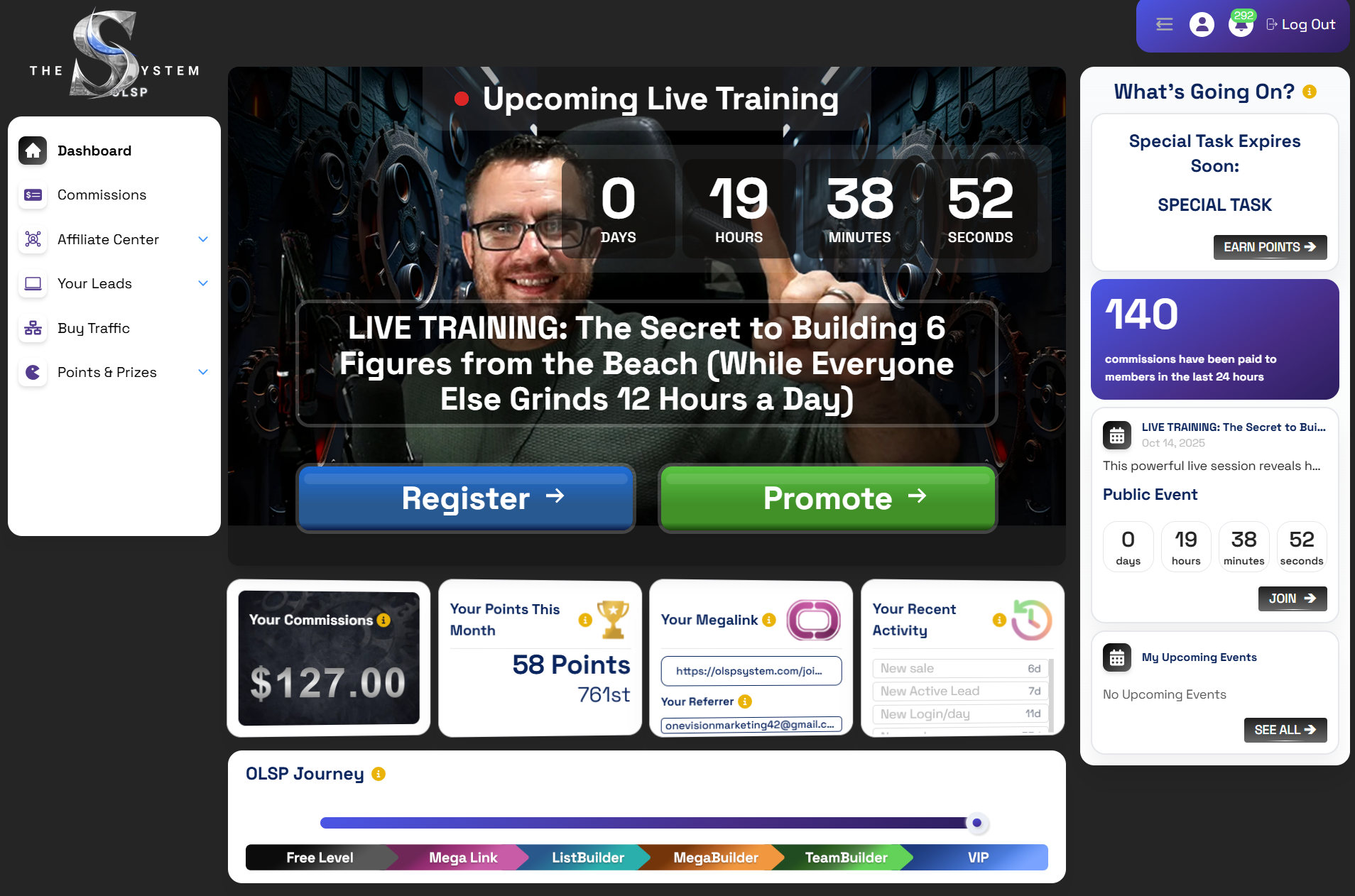
Here is a screenshot from my member area where I recently made $127. The funny thing is I just followed the Toffee Method (taught inside the member area by my mentor), but my mentor is following up with my leads I brought in from the Toffee method.
He sends emails on my behalf, he nurtures them, and converts these leads into sales for me and even gives me lifetime commissions for every lead that comes from me and that he converts for me. I do not even have a clue how I made these $127 because as I am writing this I enjoy a late summer vacation.
I just logged into my account to make this screenshot and the $127 popped up! How amazing is this?! As you can see 140 commissions have been paid out in the last 24 hours to members.
I highly recommend this program because when I got started with this right after I understood that Cliqly turned into a scam, I followed the 24 hour challenge and made my first commissions within 24 hours!
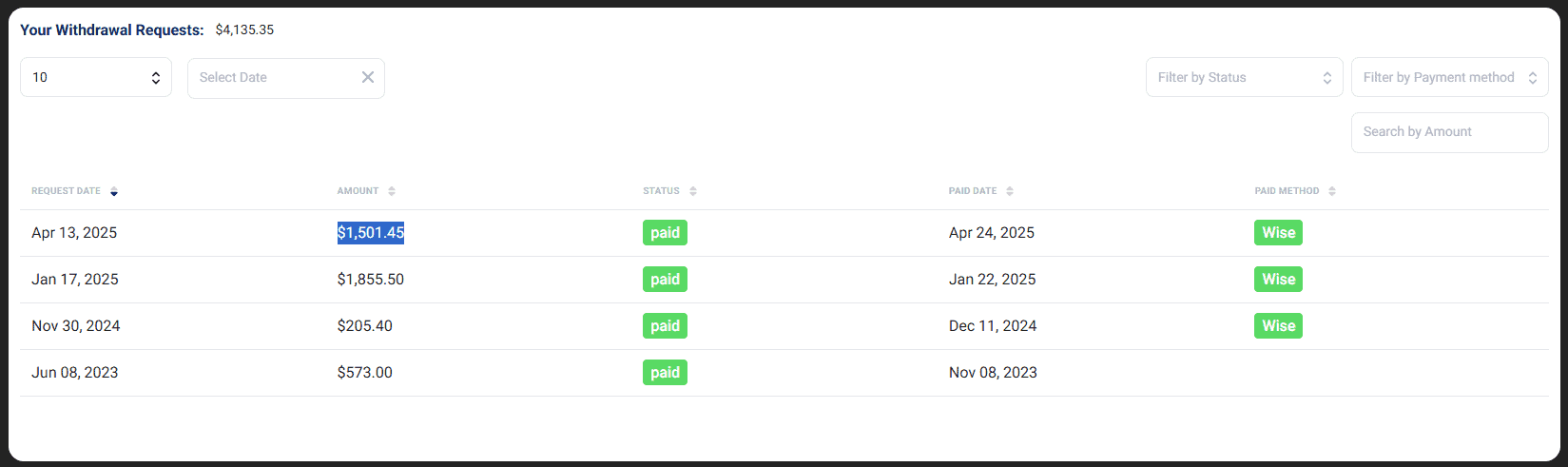
Since I started I have been receiving my commissions like clockwork inside my Wise and Paypal account without a single issue. The threshold is only $50.
Support is on standby and your technical questions will be taken care of asap via the most robust help support system.
If you have a training question, you can get your questions answered via the Skool group by Wayne himself or by other students based on the principle of Helponomics. If you are on a higher level you get access to other training platforms with daily live training and coaching.
If you are curious and want to do the same thing, create your free account right now and get started. You will be onboarded and guided on what to do next step by step inside your dashboard.
You can start the whole business for $7 and as you progress with your commissions you can go from free up to VIP where I am right now. You will be trained every day on every level, you will feel the spirit of Helponomics, and if you follow through you will get your first wins very quickly.
Final Thoughts: Your Turn to Take the Next Step
If my story resonates with you, let it serve as a reminder that your setback doesn’t define you — your response does. We’ve all made choices based on trust, but now it’s time to build on wisdom. Whether you’re just beginning again or still finding your footing, remember: you don’t have to do it alone. Surround yourself with honest mentors, focus on learning before earning, and keep transparency at the heart of everything you build.
Drop a comment below and share what part of this journey spoke to you most — or how you’re planning to rebuild with honesty and purpose. Let’s start a real conversation about how ethical, transparent, and community-driven business can become the new standard online.
Together, through Helponomics, we can prove that doing good and doing well aren’t opposites — they’re the same path.