Bobby Jones Push Platform Scam Review & Analysis
- The Bobby Jones Push Platform shows every classic warning sign of an online money-making scam, including guaranteed income promises, fake urgency tactics, and unverifiable ownership.
- No legitimate investment platform promises push-button profits — any system claiming you can earn thousands daily with zero effort is designed to take your money, not grow it.
- Victims who pay often face a cascade of upsells, vanishing support, and near-impossible refund processes — a pattern seen repeatedly in fraudulent online platforms.
- There are specific steps you can take right now to report this platform, recover funds, and protect yourself from follow-up scams targeting prior victims.
- Legitimate ways to earn online exist — knowing what a real opportunity looks like is your best defense against platforms like this one.
If you’ve been seeing ads or videos about the Bobby Jones Push Platform promising easy money online, here’s the short answer: walk away.
This review breaks down exactly how this platform operates, why it sets off every major fraud alarm, and what to do if you’ve already handed over your money. Protecting everyday people from schemes like this is the entire point — and platforms like this resource on identifying crypto and investment scams exist precisely because these operations are getting more sophisticated every year. The tactics used by the Bobby Jones Push Platform aren’t new, but they’re wrapped in just enough modern language to fool people who haven’t seen them before.
Key Takeaways: Is Bobby Jones Push Platform a Scam?
The Bobby Jones Push Platform itself as a simple, automated system that generates income online with minimal effort. It targets people who are looking for financial freedom, side income, or an escape from traditional employment. The pitch is emotionally compelling, technically vague, and financially dangerous.
Bobby Jones Push Platform Has Major Red Flags You Need to Know
Before diving into the mechanics, it’s worth establishing what this platform is and why it’s drawing scrutiny from scam investigators and consumer protection advocates alike.
What the Push Platform Claims to Offer
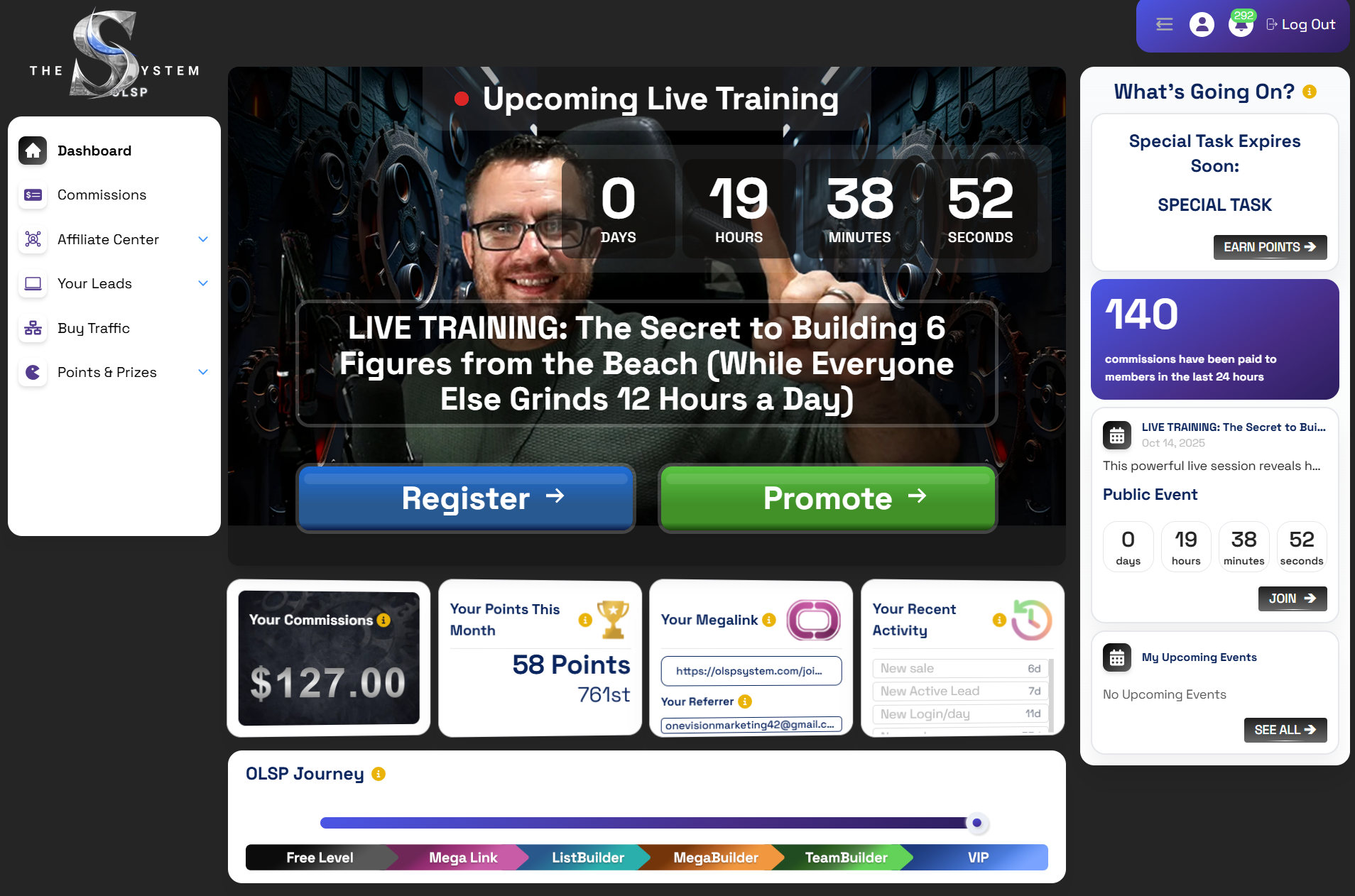
The Push Platform claims to be an automated income system where users simply “push a button” to activate a money-making process. Marketing materials typically promise daily earnings in the hundreds or even thousands of dollars with no prior experience required. The system is framed as a done-for-you solution — meaning the user supposedly does nothing while the platform generates income on their behalf. There is rarely any clear explanation of how this income is generated, which is the first and most important red flag.
Who Is Bobby Jones from Cliqly, Clickerr, and Push Platform?
Bobby Jones has been presented in promotional materials as a founder or leading figure connected to platforms such as Cliqly, Clickerr, and Push Platform. In many sales videos and marketing campaigns, he has been portrayed as a successful entrepreneur living a high-end lifestyle, often used as social proof to suggest that the systems being promoted are legitimate and profitable.
However, when evaluating any online business opportunity, it is important to separate marketing narratives from verifiable facts.
At the time many users began raising concerns, there appeared to be limited independently verifiable public information confirming the full business credentials, track record, or accomplishments being claimed in promotional materials. That does not automatically prove wrongdoing, but it is a reason for caution. Reputable companies typically provide transparent information such as:
- Clear corporate ownership and leadership records
- Verified business history
- Public terms and conditions
- Transparent revenue models
- Independent reviews beyond affiliate promotions
- Accessible customer support and refund policies
- Regulatory compliance where required
In the case of Bobby Jones, he appears to be a real individual associated with these ventures, rather than an entirely fictional persona. The more relevant question for consumers is often not whether the person exists, but whether the claims, earnings promises, business practices, and platform operations can be independently verified.
Why This Matters
Many questionable platforms rely heavily on:
- Personality-driven branding
- Luxury lifestyle imagery
- Emotional urgency
- Income testimonials without context
- Recruitment-heavy growth models
- Lack of transparency regarding how revenue is actually generated
These tactics can create trust quickly, even when the underlying business model is weak or unsustainable.
A Smarter Consumer Approach
Instead of asking only “Is Bobby Jones real?” ask:
- How does the company actually make money?
- Are customer purchases genuine or mainly participant-funded?
- Are income claims typical and documented?
- Can leadership history be independently verified?
- Are there unresolved complaints, lawsuits, or bankruptcies tied to related ventures?
- Would this model survive without constant new signups?
In this case, Bobby Jones is a real person connected to these platforms. The bigger concern raised by critics has been whether the businesses themselves delivered what was promised, operated transparently, and created sustainable value for ordinary users.
When evaluating any opportunity, credibility should come from evidence, transparency, and results and not from a sales video, luxury backdrop, or charismatic founder story alone.
Why This Platform Is Getting Attention Right Now
Search volume and social media chatter around the Bobby Jones Push Platform have spiked recently, largely driven by aggressive paid advertising campaigns and affiliate marketers earning commissions to promote it. The more people search “is this a scam,” the more the platform’s name spreads which is, unfortunately, part of how these systems sustain themselves. Scam awareness searches are being monetized by the very affiliates helping to spread the scheme.
How the Push Platform Pitch Actually Works
Understanding the sales mechanics behind this platform is critical because once you see the structure, you’ll recognize it in every similar scam you encounter going forward.
The “Push Button” Money Promise
The core pitch is built around the fantasy of effortless income. The phrase “push button” is not accidental , but it’s a psychological trigger designed to appeal to people exhausted by financial stress who want a simple solution. These systems typically show a dashboard, a button, and a number going up. What they never show is any verifiable backend infrastructure, a real business model, or audited earnings.
The promise is always the same: minimal input, maximum output, no special skills needed. Real investment and income systems whether in crypto, affiliate marketing, or e-commerce require effort, knowledge, and time. Any system that tells you otherwise is not offering you an opportunity; it’s offering you a story.
Guaranteed Income Claims and Why They Are Illegal
In the United States, guaranteeing investment returns is illegal under SEC regulations unless strict conditions are met — conditions that no “push button” platform ever meets. The FTC also prohibits deceptive earnings claims in business opportunity marketing.
When the Bobby Jones Push Platform promises specific dollar amounts — “$500 a day,” “$10,000 a month” — without verified income disclosures, it is operating outside the law, regardless of whether those claims are buried in fine print or splashed across a sales video.
How the Sales Funnel Traps Victims
The entry price is kept deliberately low — often between $7 and $49 — to reduce hesitation and get a credit card on file. Once inside, users are immediately hit with upsells framed as necessary upgrades to “unlock” the full earning potential of the system.
Each upsell is presented as the missing piece that explains why the base product isn’t working yet. This funnel architecture is a known pattern in fraudulent online business schemes and is specifically flagged in FTC guidance on deceptive marketing practices.
Fake Urgency and Countdown Timers as Pressure Tactics
Countdown timers, “only 3 spots left” warnings, and claims that the offer expires in minutes are standard manipulation tools on platforms like this one. These tactics are designed to short-circuit rational decision-making and push users to act before they have time to research.
What’s important to understand is that these timers are fake. Refreshing the page resets them. The “limited spots” are unlimited. This isn’t a minor marketing quirk — it’s a deliberate deception tactic that, under FTC rules, qualifies as a misleading business practice.
The entire pre-purchase experience is engineered to maximize emotional response and minimize critical thinking. By the time a user reaches the payment screen, they’ve been subjected to social proof, scarcity triggers, authority claims, and emotional storytelling — all designed by people who understand psychology far better than the average person scrolling through their feed.
Red Flags That Expose the Bobby Jones Push Platform
Let’s be specific. Here are the concrete warning signs that separate a fraudulent operation from a legitimate platform.
No Verifiable Track Record or Proof of Earnings
Legitimate platforms — whether they’re crypto exchanges, trading tools, or affiliate networks — have auditable histories, public-facing team members, and documented performance records. The Bobby Jones Push Platform offers screenshots of earnings dashboards that cannot be independently verified, income claims with no third-party confirmation, and testimonials that appear scripted rather than organic. Screenshots of numbers on a screen prove nothing. Any platform unwilling or unable to provide verifiable proof of results should be treated as a scam until proven otherwise.
Anonymous Ownership and Lack of Regulatory Registration
A legitimate financial or investment-related platform operating in the United States must be registered with either the SEC, FINRA, or relevant state regulators — depending on what it offers. The Bobby Jones Push Platform has no verifiable regulatory registration. The ownership structure is opaque, the business address is either absent or leads to a virtual office, and there is no named executive team with checkable professional histories. Anonymity in financial platforms is not a quirk — it’s a structural feature designed to prevent accountability.
Fake Testimonials and Manufactured Social Proof
The testimonials used in Push Platform marketing share several characteristics common to fabricated social proof: overly specific dollar amounts, stories that mirror the sales pitch almost word-for-word, and stock photo profile images that reverse-search to unrelated websites. Some “success stories” feature individuals who can be identified on freelance platforms like Fiverr as paid testimonial providers. Real user reviews on independent platforms like Trustpilot, Reddit, and ScamAdviser tell a very different story.
Unrealistic ROI Promises With Zero Risk Disclaimers
The Bobby Jones Push Platform routinely dangles specific income figures — daily, weekly, and monthly — while simultaneously burying disclaimers that say results are not typical and no income is guaranteed. This legal contradiction is intentional. The bold claims do the selling while the fine print provides just enough legal cover to complicate future fraud claims.
- Promised returns often range from 300% to 1,000% — figures that no legitimate investment vehicle consistently produces
- Risk is either minimized or completely absent from the main pitch, only appearing in microscopic disclaimer text
- No audited financial statements are provided to support any of the income claims made in video or written sales materials
- Income screenshots are unverifiable and can be fabricated in minutes using basic editing tools
- The platform conflates gross revenue with net profit, a deliberate distortion that makes results look far more impressive than they are
The FTC’s Income Disclosure Statement guidelines require that any business opportunity making earnings claims must present data that reflects what typical participants actually earn — not best-case outliers. The Bobby Jones Push Platform does not provide this data because the typical participant result is a financial loss, not a gain.
The Classic Scam Playbook Bobby Jones Follows
This platform doesn’t operate in isolation. It follows a well-documented blueprint used by dozens of similar schemes that have been shut down by regulators, exposed by investigative journalists, and flagged by consumer protection agencies across multiple countries. Recognizing the blueprint is the fastest way to identify the next version of it before it takes your money.
The playbook typically begins with a viral video, moves through a high-pressure sales funnel, collects an entry fee, extracts maximum value through upsells, and then either disappears or relaunches under a new name. Bobby Jones Push Platform fits this model with uncomfortable precision — down to the lifestyle imagery, the vague technology claims, and the manufactured scarcity.
How It Mirrors Pyramid and Ponzi Structures
Pyramid vs. Ponzi vs. Push Platform — Key Structural Comparisons
Feature Pyramid Scheme Ponzi Scheme Bobby Jones Push Platform Income Source Recruitment fees New investor funds Entry fees + upsells Product or Service Minimal or fake None or fabricated Vague digital system Sustainability Collapses when recruitment stops Collapses when new money stops Collapses or rebrands Regulatory Status Illegal Illegal Unregistered, unregulated Proof of Returns None verifiable Fabricated statements Unverifiable screenshots
The Push Platform shares DNA with both pyramid and Ponzi structures. Like a pyramid scheme, it relies heavily on affiliate recruitment — people are incentivized to bring in new buyers because that’s where the real money flows. Like a Ponzi, early participants may receive small payouts funded by newer entrants, which creates artificial word-of-mouth that the system “works.”
What distinguishes push-button schemes from classic Ponzis is the product wrapper. By selling a digital product — however vague or useless — the operators create a legal buffer that makes prosecution more complex. They’re not technically “promising investment returns” if they frame the payment as a software purchase. This is a deliberate structural choice, not an oversight.
The sustainability problem is identical across all three models. Once new user acquisition slows, the revenue dries up and the platform either goes silent, rebrands with a new spokesperson and a fresh sales video, or pivots to targeting prior victims with recovery scams. Every version of this scheme has a finite lifespan by design.
None of this is accidental. The people running platforms like Bobby Jones Push Platform understand exactly what they’re building. The legal ambiguity, the opaque ownership, the vague product claims — these are features of the design, not bugs. They exist to maximize collection time before the inevitable collapse.
The Role of Affiliate Marketing in Spreading the Scam
Affiliate marketers are paid a commission — sometimes as high as 50% to 75% of the entry fee — to drive traffic to the Push Platform sales page. This creates a financial incentive for thousands of individuals to promote the scheme without ever fully understanding or disclosing what they’re promoting. Many affiliates genuinely believe they’re sharing a legitimate opportunity; others know exactly what they’re doing. Either way, the result is a vast distribution network that spreads the scam far faster than the operators could manage alone, while insulating the core team behind layers of third-party promotion.
What Happens After You Pay
The moment a payment is processed, the platform’s behavior changes dramatically. The urgency disappears, the promises become harder to pin down, and the support infrastructure — never robust to begin with — becomes nearly impossible to access. What follows is a predictable sequence that victims of similar schemes have reported across consumer complaint databases including the FTC, BBB, and Trustpilot.
Typical Post-Payment Experience Timeline
Timeframe What Victims Report Day 1–3 Access granted, dashboard shown, upsells begin immediately Day 4–14 No earnings appear, support tickets go unanswered Week 2–4 Told to purchase upgrade to “activate” earnings Month 1–2 Refund requests denied or ignored Month 3+ Platform access revoked or site goes offline
The dashboard experience is particularly insidious. Users are shown numbers, charts, and activity that suggest the system is working — but withdrawals are either blocked behind additional purchase requirements or simply never process. By the time a user realizes the earnings aren’t real and aren’t accessible, significant time and money have already been lost.
This delay between payment and disillusionment is deliberate. It extends the window during which chargebacks become more difficult to initiate and gives the platform time to collect from new users before complaints begin to accumulate publicly.
Upsells, Hidden Fees, and Vanishing Support
After the initial payment, users are typically presented with three to five upsell offers ranging from $97 to $497 each, framed as essential components without which the base system cannot deliver results. These aren’t optional enhancements — the sales language is designed to make users feel that skipping them means the money they already spent is wasted. This is the sunk cost trap in action, and it’s one of the most effective psychological manipulation techniques used in fraudulent funnels. Support response times, if they exist at all, slow to days or weeks as soon as the payment window closes.
How Victims Lose Access to Their Money
Funds paid to the Bobby Jones Push Platform are processed through payment intermediaries that create distance between the user’s bank and the platform’s operators. Cryptocurrency payment options — when offered — are specifically chosen because crypto transactions are irreversible. Even credit card payments become harder to recover after 60 to 120 days, which is why the platform’s delay tactics are so precisely timed. By the time most users realize they’ve been defrauded, their clearest recovery paths have already narrowed significantly.
Why Getting a Refund Is Nearly Impossible
The refund policy, if one exists at all, is buried in terms and conditions that most users never read before purchasing. These policies typically include conditions that are intentionally impossible to meet — such as proving you “used the system as directed” or submitting a refund request within a 3-day window that isn’t disclosed until after purchase.
“I tried to get a refund within the first week and was told I had to show I completed all the training modules, contacted three support tickets, and waited 30 business days. By the time that window passed, my credit card dispute deadline had also passed.” — Composite account based on recurring victim reports across BBB and Trustpilot complaint databases
The deliberate complexity of the refund process is a core feature of the scheme’s revenue model. Even a small percentage of successful refund requests is factored into the profit calculation — meaning the platform can afford to honor a few claims while denying the vast majority.
If you paid by credit card, initiating a chargeback is your most viable immediate option. Document everything before you do — emails, screenshots, payment confirmations, and any communications with support. Your bank needs a paper trail to process the dispute, and the platform operators are counting on you not having one.
🌿Let’s Stay Connected & Continue the Conversation…
If reflections like this resonate with you, you may enjoy the Working With Kirsten newsletter, where I occasionally share deeper thoughts about building a meaningful online lifestyle, navigating digital communities, and creating environments that encourage curiosity and personal growth.
Inside the newsletter, I often expand on many of the themes explored here on the blog — including the evolving culture of the online world, the importance of thoughtful communities, and the small habits that quietly shape how life feels from day to day.
✨ Reflections on building a thoughtful internet lifestyle
🌱 Insights on personal growth and digital communities
☕ Behind-the-scenes perspectives from my own journey online
If these ideas interest you, you’re always welcome to join the conversation.
Join the Newsletter – Click Here!
No noise. Just thoughtful ideas and quiet reflections about building a life that feels genuinely rich.
How to Report Bobby Jones Push Platform
Reporting matters — not just for your own potential recovery, but because regulatory action against schemes like this depends on the volume and quality of complaints filed. Each report adds to an investigative record that agencies use to build cases, freeze assets, and shut down operations. Here’s exactly where to go and what to do.
1. File a Complaint With the FTC at ReportFraud.ftc.gov
The Federal Trade Commission is the primary U.S. agency that handles fraud complaints involving deceptive business practices and false income claims. Filing at ReportFraud.ftc.gov takes less than 15 minutes and puts your case into the Consumer Sentinel Network, a database accessible to over 2,800 law enforcement agencies across the country.
When filing, include the platform name, the URL, the amount paid, the payment method, and copies of any marketing materials or emails you received. The more specific your complaint, the more useful it is to investigators building a larger case against the operation.
2. Report to the SEC If Investment Returns Were Promised
If the Bobby Jones Push Platform framed its offering as an investment — promising returns on money placed into the system — that triggers securities law jurisdiction. The Securities and Exchange Commission handles complaints involving unregistered investment products and fraudulent return promises through their online tip portal at sec.gov/tcr.
This is particularly relevant if any crypto assets were involved in the payment or promised return structure, since the SEC has been increasingly active in pursuing crypto-related fraud cases. Filing with both the FTC and SEC simultaneously is appropriate if the platform made any return guarantees tied to your initial payment.
3. Contact Your Bank or Credit Card Provider Immediately
Time is critical here. Most credit card issuers allow chargebacks within 60 to 120 days of the transaction date, and some may extend this window for fraud claims. Call the number on the back of your card, explain that you were deceived by false advertising and did not receive the product or service as described, and ask to initiate a dispute. Have your documentation ready before you call — transaction date, amount, platform name, and any evidence that the service was not delivered as promised.
If you paid via debit card, the recovery window is shorter and the process is harder, but still worth pursuing. If any portion was paid in cryptocurrency, contact the exchange you used to report the receiving wallet address — this creates a record that may assist future regulatory action even if direct recovery is unlikely.
4. Report to Your State Securities Regulator
Every U.S. state has a securities regulator that handles investment fraud complaints at the state level, and many have consumer protection divisions with broader jurisdiction over deceptive marketing practices. You can find your state regulator through the North American Securities Administrators Association at nasaa.org. State regulators often move faster than federal agencies on localized cases and can issue cease-and-desist orders more quickly.
5. Warn Others on Scam-Tracking Sites Like ScamAdviser
Filing a report on independent scam-tracking platforms — including ScamAdviser.com, Trustpilot, the Better Business Bureau at bbb.org, and relevant subreddits like r/Scams — creates a public warning that appears in search results when others research the platform before paying. This is one of the most direct ways to prevent additional victims, and it costs nothing but a few minutes of your time.
Legitimate Alternatives to Make Money Online
Real online income exists, but it looks nothing like what the Bobby Jones Push Platform is selling. Legitimate opportunities require learning, consistency, and time before they produce meaningful results. That’s not a flaw; that’s how sustainable income actually works.
Here are proven, verifiable ways people build real online income:
- Crypto trading with verified exchanges — Platforms like Coinbase, Kraken, and Binance are registered, regulated, and transparent. Profits are possible but never guaranteed, and risk is always disclosed upfront.
- Freelance services — Platforms like Upwork and Fiverr connect skilled individuals with paying clients. Income is directly tied to work delivered — no system, no button, no magic.
- Content creation and affiliate marketing — Building a genuine audience around a topic you understand, then monetizing through legitimate affiliate programs like Amazon Associates or ShareASale, produces real income over time.
- Online courses and digital products — If you have expertise in any area, platforms like Teachable or Gumroad let you sell knowledge directly. This takes effort to build but generates scalable, legitimate income.
- Print-on-demand and e-commerce — Shopify, Etsy, and Printful-powered stores require real product development and marketing work — but the income is real, trackable, and yours.
None of these require you to trust a faceless persona with your credit card number after watching a ten-minute video. The common thread across every legitimate online income method is this: the value you receive is proportional to the value you create. Any system that breaks that relationship is a scam.
If You Already Paid, Here Is Exactly What to Do Next
Finding out you’ve been scammed is disorienting, but your next moves in the first 48 to 72 hours will significantly affect what you can recover and how quickly. Stay focused and work through these steps in order.
Acting fast matters more than acting perfectly here. Chargeback windows close, evidence gets harder to gather, and scammers actively monitor complaint patterns to shut down accounts before disputes can be processed. Don’t wait until you’ve “confirmed” you were scammed — if you’re reading this after paying, that confirmation is already here.
- Do not make any additional payments to the platform, regardless of what you’re told
- Do not respond to follow-up emails offering “account reinstatement” or “bonus activations”
- Do not share banking or personal details with anyone claiming to be platform support
- Screenshot everything: the sales page, your dashboard, all emails, payment receipts, and any chat logs
- Note the exact URL of the platform and any redirect URLs you encountered during signup
The documentation you gather right now is the foundation of every recovery path available to you. Treat this like building a legal case file — because that’s exactly what it may become.
Step 1: Stop All Further Payments Immediately
Cancel any recurring billing tied to the platform immediately. Log into your bank or card provider’s online portal and look for recurring charges or saved payment authorizations linked to the platform’s payment processor. If you signed up through PayPal, revoke the billing agreement directly in your PayPal account under Settings > Payments > Manage Automatic Payments. Do not wait for the platform to “process your cancellation” — remove the payment authorization yourself, directly, without relying on the scammer to honor any cancellation request.
Step 2: Document Every Transaction and Communication
Before you file any dispute or complaint, compile a complete record of your interaction with the platform. This documentation is what separates a successful chargeback from a denied one, and it’s what gives regulatory agencies the material they need to act.
- Full screenshots of the sales page and any landing pages visited before purchase
- Email confirmations of payment and account creation
- Screenshots of your account dashboard, including any displayed “earnings”
- All support ticket submissions and any responses received
- Bank or credit card statements showing the transaction amount, date, and merchant name
- Any social media ads or videos that led you to the platform, if you can locate them
Save copies in at least two locations — cloud storage and a local device. If the platform goes offline or scrubs its pages, your saved screenshots become the only evidence of what was promised versus what was delivered.
If you communicated with anyone via phone or live chat, write down the date, time, and a detailed summary of what was said as soon as possible while the details are fresh. This written record carries weight in dispute resolutions even without a transcript.
Step 3: Initiate a Chargeback Through Your Bank
Contact your credit card issuer or bank immediately and ask to dispute the charge as fraudulent. Use the phrase “services not rendered as described” alongside “deceptive marketing practices” when explaining the dispute — these are the exact grounds that carry the most weight in chargeback assessments. Provide your documentation upfront rather than waiting for the bank to request it.
If your card issuer denies the chargeback on the first attempt, escalate to a supervisor and reference the FTC complaint number you filed. A denied chargeback is not final — you have the right to escalate through your card network (Visa, Mastercard, American Express) directly if the issuing bank’s decision is unsatisfactory. For crypto payments, contact the exchange used to flag the destination wallet address, which creates a record even if direct recovery isn’t possible.
Step 4: Watch Out for Recovery Scams Targeting Prior Victims
Once you’ve been defrauded, your name and contact information often circulate among scam networks. Within days or weeks of your initial payment, you may be contacted by individuals or companies claiming they can recover your lost funds — for an upfront fee. This is called a recovery scam, and it is a second fraud layered on top of the first. No legitimate recovery service charges upfront fees before delivering results.
Legitimate help is available through your bank’s dispute process, through regulatory agencies like the FTC and SEC, and through consumer protection attorneys — none of whom ask for prepayment to recover your funds. If anyone reaches out proactively claiming to know about your loss and offering to help for a fee, treat it as a scam immediately.
Bobby Jones Push Platform Is a Scam — Stay Far Away
Every element of the Bobby Jones Push Platform — the anonymous creator, the push-button income promise, the fake testimonials, the upsell-heavy funnel, the vanishing support — follows the same blueprint used by fraudulent online schemes that have been shut down by the FTC, exposed by consumer protection agencies, and reported by thousands of victims across complaint databases worldwide.
There is no evidence that the platform delivers what it promises. There is no verifiable owner. There is no regulatory registration. There is no audited proof of earnings. What exists is a professionally produced sales experience designed to separate you from your money as efficiently as possible while making accountability as difficult as possible.
The best protection is the decision you make before you ever reach the payment screen. If a platform promises effortless income, guaranteed returns, and financial freedom with a single click — it is not offering you an opportunity. It is running a script that has been used to defraud people for decades, updated with new branding and a new spokesperson for a new audience. Bobby Jones Push Platform is the current version of that script. Don’t pay for it.
Further Reflections & Recommended Reading
There comes a moment after disappointment when we quietly realize we have two choices.
We can stay emotionally tied to what happened — replaying every red flag we missed, every promise we believed, every moment we wish we had chosen differently.
Or we can decide that the experience will not define us.
That choice matters more than many people realize.
Because while money can be lost and time can feel wasted, wisdom gained through experience often becomes one of the most valuable assets we ever carry forward. Sometimes the hardest seasons teach the clearest lessons: how to trust ourselves again, how to move slower and wiser, how to recognize substance over image, and how to value peace over pressure.
The truth is, many people who encounter misleading platforms are not foolish people. They are hopeful people. They are ambitious people. They are people who wanted more for themselves and their families. There is nothing shameful about wanting a better life.
What matters now is what you do next.
Do not let one disappointing chapter turn into a permanent identity. Do not let someone else’s poor choices keep you living in yesterday. Use what happened as fuel to become sharper, calmer, and more grounded than before.
Your story does not end where trust was broken. It continues where wisdom begins.
A Quiet Truth Worth Remembering
Temporary gain built on deception is never true success.
Real success is slower.
Real success is steadier.
Real success allows you to sleep peacefully at night.
It is built through patience, skill, honesty, relationships, and consistent effort over time. It may not look flashy in the beginning, but it tends to last far longer than anything built on illusion.
Books I Recommend Reading After an Experience Like This
These are thoughtful books that can help rebuild confidence, sharpen discernment, and deepen your understanding of human behavior.
The Confidence Game by Maria Konnikova
A compassionate and intelligent look at why scams work and how trust can be manipulated.
Why I recommend reading it:
Because it helps replace shame with understanding and reminds readers that deception is often carefully engineered.
Scam Me If You Can by Frank Abagnale
Practical guidance from one of the most recognized voices in fraud prevention.
Why I recommend reading it:
Because awareness is one of the strongest forms of protection.
Influence by Robert Cialdini
A classic exploration of persuasion, urgency, scarcity, and decision-making triggers.
Why I recommend reading it:
Because once you recognize manipulation patterns, they become far less effective.
Thinking, Fast and Slow by Daniel Kahneman
An insightful book on how we think under pressure and uncertainty.
Why I recommend reading it:
Because wise decisions are often made when we slow down enough to truly think.
A Final Reflection
Please move forward.
Do not hand more years of your life to a bad experience by reliving it endlessly. Let it become an education. Let it become an investment in yourself. Let it become the reason your future decisions are wiser, calmer, and stronger.
The true winner is rarely the person who took shortcuts through deception.
The true winner is the one who learns, heals, grows, and goes on to build something honest and meaningful.
That can still be you.
And often, after reflection and patience, it becomes exactly that.
Final Conclusion
After examining the history, the recurring concerns, and the marketing patterns surrounding Cliqly, Clickerr, and Push Platform, it becomes clear that the central issue is not simply one company, one website, or one bold promise. The deeper concern is the repeated pattern that many former participants and observers believe they have seen over time.
That pattern includes ambitious income claims that are difficult to independently verify, emotionally charged promotions designed to encourage rushed decisions, unresolved complaints from individuals who say they were never properly paid, and the appearance of new platforms just as confidence in earlier ones begins to weaken. When these same themes continue to emerge under different names, it naturally raises important questions about accountability, transparency, and whether ordinary people were ever given the full picture before committing their money.
At its heart, this story is not only about business. It is about trust.
It is about whether people searching for a better future were met with honest information or carefully crafted persuasion. It is about whether hope was respected or exploited. It is about whether those who experienced losses were treated fairly when problems began to surface.
There are, of course, legitimate ways to build income online. Many people do so every day through service-based businesses, thoughtful investing, freelancing, e-commerce, content creation, and long-term skill development. Yet genuine opportunities usually share certain qualities: they require patience, consistency, transparency, and a willingness to create real value over time. They do not need confusion, unrealistic promises, or pressure tactics in order to survive.
For readers who have personally been affected by experiences like this, the most important step now is not to remain anchored to frustration or regret. While disappointment is understandable, no difficult chapter should be allowed to define the rest of your story. Sometimes the wisest response is to turn an unpleasant experience into a valuable education.
Let it teach you to ask better questions.
Let it strengthen your ability to recognize substance over image.
Let it deepen your trust in steady progress rather than shortcuts.
Let it remind you that discernment is one of the most valuable forms of wealth a person can build.
There is also a quiet truth worth remembering: success built on illusion is rarely success at all. It may appear impressive for a moment, but appearances often fade quickly when they are not supported by integrity. Lasting success is usually less dramatic. It is built slowly through honesty, consistency, skill, and work that genuinely helps others.
In the end, a polished sales page is not proof. A luxury lifestyle is not evidence. A new brand name is not necessarily a fresh beginning when the same unanswered questions remain.
What matters most is character, clarity, and truth.
The strongest position any reader can take now is to move forward wiser than before. If this experience has made you more thoughtful, more grounded, and more committed to building something real, then it has already given you something of lasting value.
Sometimes our hardest chapters quietly prepare us for stronger seasons ahead.
Frequently Asked Questions
Below are the most common questions people ask when researching the Bobby Jones Push Platform before or after engaging with it.
Is the Bobby Jones Push Platform legit or a scam?
The Bobby Jones Push Platform is a scam. It displays every characteristic associated with fraudulent online money-making schemes: unverifiable ownership, guaranteed income promises that violate FTC regulations, fabricated testimonials, high-pressure sales tactics, and a post-payment experience that extracts maximum money while delivering nothing of real value. No credible evidence exists that the platform generates income for users.
Can you actually make money with the Bobby Jones Push Platform?
No verifiable evidence exists that ordinary users make money through the Bobby Jones Push Platform. The income figures shown in marketing materials are unaudited, unverifiable, and inconsistent with any real business model the platform can coherently explain. Some early participants in similar schemes receive small token payouts designed to generate word-of-mouth — but these are funded by newer entrants, not by any legitimate income-generating activity.
The only people reliably making money from this platform are the operators collecting entry fees and upsell payments, and the affiliates earning commissions to drive new traffic into the funnel. If you’re not in either of those roles before you pay, the financial math does not work in your favor.
How do I get a refund from the Bobby Jones Push Platform?
Requesting a refund directly from the platform is unlikely to succeed. The refund policy is structured to create barriers that most users cannot clear within the required window, and support response times are deliberately slow. Your best path to recovery is a credit card chargeback filed with your bank on the grounds of services not rendered as described.
File the chargeback as soon as possible — most card issuers have a 60 to 120 day window from the transaction date. Simultaneously file a complaint with the FTC at ReportFraud.ftc.gov, which strengthens your dispute case and contributes to any regulatory investigation. If you paid via cryptocurrency, contact your exchange to flag the wallet address and consult a consumer protection attorney about further options.
What type of scam is the Bobby Jones Push Platform classified as?
The Bobby Jones Push Platform operates as a hybrid fraudulent scheme combining elements of a deceptive business opportunity scam, a pyramid-adjacent affiliate recruitment model, and a digital product fraud. It uses deceptive earnings claims prohibited under FTC regulations, an upsell funnel designed to maximize extraction before users recognize the fraud, and an anonymous operating structure that minimizes legal exposure for the people running it. If investment returns were specifically promised, SEC securities fraud statutes may also apply.
What other platforms did Bobby Jones run in the past via rebranding?
Bobby Jones is widely alleged to have operated a pattern of launching one platform, allowing momentum to build, then pivoting into a newly branded version when trust declined or complaints increased.
1. Cliqly
This became the most widely known brand tied to Bobby Jones. It was promoted as an email-click income platform where users could buy credits, send emails, and earn commissions. Later, many public complaints focused on delayed or missing payouts, support issues, and sustainability concerns.
2. Clickerr
After confidence in Cliqly declined, critics described Clickerr as a continuation or “sister company” with a new name but similar leadership, structure, and marketing promises. Multiple public reviews explicitly connect the two.
3. Push Platform
Users now describe Push Platform as the latest rebrand or next-stage rollout following the same pattern: new name, new momentum, fresh promises, while unresolved issues from prior platforms remain a concern to critics.
What are the Platforms Reported Before Cliqly?
Older online commentary has linked Bobby Jones to earlier ventures before Cliqly, including:
1. Instant Email Empire
2. Instant Email Biz
These names appear in older scam-review commentary and user investigations that allege similar email-opportunity style models preceding Cliqly.
Bobby Jones’s rebranding chain is:
Instant Email Empire → Instant Email Biz → Cliqly → Clickerr → Push Platform
Whether every brand had identical ownership structures would require corporate-record review, but across public discussions, these names are repeatedly linked to Bobby Jones and David Beeson and presented as part of an ongoing rebranding scam cycle.
What is the Rebranding Pattern Used by Bobby Jones?
Users who track these launches often describe the cycle as:
- Launch new platform with strong income messaging
- Attract buyers / affiliates early
- Pay some early participants
- Complaints rise over time
- Trust declines
- New brand launches
- Prior users left unresolved while attention shifts
That pattern is alleged by critics and should be viewed as claims unless legally established.
Why Rebranding Matters for Bobby Jones?
Rebranding itself is not illegal. Legitimate companies rebrand often. The concern arises when:
- leadership stays the same
- complaints repeat
- compensation model stays similar
- prior liabilities remain unresolved
- new buyers are not fully informed of past issues
How Much Do Bobby Jones & David Beeson Still Owe to Cliqly/Clickerr & PushPlatform Members?
When discussing how much Bobby Jones and David Beeson may owe to members of Cliqly, it is important to separate verified figures from community-reported estimates.
Reported Amounts from Members and Public Sources
Across multiple public complaint platforms, user reports, and payment-tracking efforts, the most commonly cited figures fall within the following range:
- Over $1,000,000+ in unpaid commissions reported by hundreds to thousands of members
- A more specific crowd-sourced figure of approximately $1,050,000+ based on reported claims submitted by affected users
- Some estimates go higher, with claims of $1.5 million+ total exposure when including unreported or abandoned accounts
- Individual losses reported range from a few hundred dollars to tens of thousands per person
Additionally, one publicly referenced figure tied to aggregated reporting suggests around $1.1 million in unpaid obligations at the time of collapse
Important Context About These Numbers
These figures are not officially audited totals from a court or bankruptcy trustee (based on currently available public information). Instead, they are:
- Compiled from user-submitted claims
- Based on self-reported unpaid commissions
- Often tracked through community-led spreadsheets and support groups
- Potentially incomplete (many victims never report losses)
This means the true total could be higher — or in some cases partially disputed — but the consistent pattern across sources points to significant unpaid liabilities.
What the Allegations Center Around
Complaints from members typically describe:
- Earnings shown inside dashboards but not paid out
- Payments stopping after an initial period
- Lack of response from support channels
- Encouragement to continue purchasing credits despite delayed payouts
- Transition to new platforms (such as Clickerr and later Push Platform) while prior balances remained unresolved
These patterns are allegations reported by users, not final legal judgments.
About the Bankruptcy Claim
There are repeated claims that a bankruptcy filing was used in connection with Cliqly-related entities. However:
- Public clarity on which exact entity filed,
- The official amount of liabilities,
- And the final legal outcome for creditors,
is still limited or not widely documented in a fully verified, court-confirmed summary available to the public.
Bottom Line & Why This Matters
Based on currently available information:
- The most consistently reported figure is $1M–$1.1M+ owed
- Some estimates suggest $1.5M or more when including broader claims
- Losses impacted hundreds to thousands of individuals globally
The exact legal total, however, would ultimately depend on verified bankruptcy filings and creditor claims, not just community tracking.
This isn’t just about a number.
It reflects a broader issue:
When platforms rely on internal balances and delayed payouts, the risk is not just poor performance, it is that participants carry the financial burden when systems fail or shut down.
What Happened with the Cliqly Bankruptcy and Why Victims Still Have Questions?
According to public court records and discussions surrounding the Cliqly bankruptcy matter, the case raised serious concerns because the process did not appear to result in a clear resolution for unpaid members.
Reports from those following the case state that requested financial records, business data, and supporting numbers were central issues during the proceedings. Critics have alleged that leadership was unable or unwilling to provide complete information sought during the process. As a result, the matter did not produce the type of transparent accounting many creditors had hoped for.
From the perspective of unpaid members, the key reality remains simple:
- Many claim balances were never paid
- No broad restitution process appears to have made victims whole
- Significant questions about revenue, liabilities, and internal operations remain unresolved
- Former members were left seeking answers on their own
Why the Amount Potentially Owed by Bobby Jones May Be Larger Today?
Since the collapse of Cliqly, critics have pointed to subsequent platforms such as Clickerr and later Push Platform as continuations or rebranded successors.
If individuals from later platforms also report unpaid balances, losses, chargebacks, or unresolved commissions, then the broader amount tied to this overall pattern could be substantially larger than figures associated with Cliqly alone.
The Optics That Trouble Many Victims
One of the most emotional issues for former members is perception. When participants report losses or unpaid earnings, yet promotional content appears to show luxury homes, expensive vehicles, and a lavish lifestyle, it can deepen frustration and distrust.
That contrast often leaves victims asking:
- If the business was struggling, where did the money go?
- Why were users unpaid while success imagery continued?
- Was the lifestyle real, financed, leased, exaggerated, or funded by platform revenue?
Those are fair questions that only full transparency, accounting records, and legal scrutiny can properly answer.
For many former users, this is no longer just about one company. It is about a recurring cycle of promises, rebrands, unresolved liabilities, and image-driven marketing.
Until there is meaningful accountability or repayment, many affected individuals will continue to see the story not as a failed business experiment, but as a cautionary example of why transparency matters more than appearances.
How do I spot similar Bobby Jones push button money scams in the future?
The warning signs are consistent across every version of this type of scheme. Once you know what to look for, these platforms become easy to identify before any money changes hands.
- Guaranteed income claims — No legitimate platform guarantees specific earnings. Ever.
- Anonymous or unverifiable creator — If you can’t confirm the person exists with a 5-minute search, assume the persona is fabricated.
- Vague product description — If the system can’t clearly explain how income is generated in plain language, it isn’t generating income.
- Countdown timers and artificial scarcity — Refresh the page. If the timer resets, the urgency is fake.
- Low entry price with immediate upsells — The entry fee gets your card on file; the upsells are where the real extraction happens.
- No regulatory registration — Search the SEC’s EDGAR database and your state securities regulator. If they’re not registered, they’re not compliant.
- Testimonials that reverse-image-search to stock photos — Fake social proof is one of the clearest signals that a platform cannot produce real results.
Healthy skepticism is your most valuable financial protection tool. Before committing money to any online platform, ask one simple question: can this person show me independently verifiable proof that regular users are making what they claim? If the answer is no, or if the question is deflected with more testimonials and urgency, close the tab.
Real wealth-building is slow, requires effort, and involves risk that is clearly disclosed. Any platform that tells you otherwise is not the exception to that rule — it’s a business built on the hope that you’ll believe it is.
If you’ve been targeted by a scheme like this or want to learn how to evaluate online investment opportunities before committing funds, visit this resource for expert guidance on identifying and avoiding crypto and investment fraud.
What Consumer Advice Should I follow so I don’t get caught into any of Bobby Jones’s Rebranding Scams?
Always verify:
- legal company registration
- real product value
- refund terms
- payout proof beyond testimonials
- ownership transparency
- unresolved complaints from prior ventures
A new name does not always mean a new business model.
🌿Let’s Stay Connected & Continue the Conversation…
If reflections like this resonate with you, you may enjoy the Working With Kirsten newsletter, where I occasionally share deeper thoughts about building a meaningful online lifestyle, navigating digital communities, and creating environments that encourage curiosity and personal growth.
Inside the newsletter, I often expand on many of the themes explored here on the blog — including the evolving culture of the online world, the importance of thoughtful communities, and the small habits that quietly shape how life feels from day to day.
✨ Reflections on building a thoughtful internet lifestyle
🌱 Insights on personal growth and digital communities
☕ Behind-the-scenes perspectives from my own journey online
If these ideas interest you, you’re always welcome to join the conversation.
Join the Newsletter – Click Here!
No noise. Just thoughtful ideas and quiet reflections about building a life that feels genuinely rich.
Disclosure
Some of the links in this article may be affiliate links. This means that if you choose to make a purchase through one of these links, I may earn a small commission at no additional cost to you.
I only recommend books, services, products, tools, or communities that I genuinely find interesting, useful, or aligned with the ideas discussed on this site and that I am using myself.
My goal with WorkingWithKirsten.com is to explore thoughtful perspectives on online culture, digital entrepreneurship, and building a more intentional internet lifestyle. Any resources mentioned are shared with the intention of helping readers explore these topics further.
Thank you for supporting this work and for being part of the conversation.