
UPDATE Cliqly Email Marketing Scam: Important Information for July 2025 – Cliqly’s Bankruptcy and Your Next Steps
As of July 2025, there are critical new developments regarding Cliqly and Bobby Jones that demand your immediate attention, especially if you are owed money.
We have recently uncovered that Bobby Jones secretly declared Cliqly bankrupt in June 2025. This wasn’t a sudden collapse; it appears to be a calculated move. While members were left waiting and hoping for commissions, Bobby Jones allegedly moved all of Cliqly’s assets to his new platform, Clickerr, which he is now operating on Whop. This looks less like a business failure and more like a deliberate attempt to evade accountability and continue collecting from new unsuspecting users.
My personal loss of over $14,000 in accumulated weekly commission payouts between August and November 2024 (when Bobby Jones abruptly stopped all payments, citing “technical glitches”) now makes agonizing sense in light of this bankruptcy filing.
Crucial Legal Action: The Chapter 7 Bankruptcy Trial
For all affected individuals, there will be a Chapter 7 bankruptcy trial via Zoom call on August 6, 2025, at 4:00 PM CST (Central Standard Time). This is a vital opportunity to be heard and potentially recover what is owed to you.
Your Immediate Call to Action:
If you are a former Cliqly affiliate and are owed money, it is imperative that you act now to protect your rights and potentially recover your funds:
- Get on the Creditor Matrix: You must be added to the official list of creditors. Click here and download the Declaration Form (3). Fill it out with your information and send it to the email indicated. This ensures you receive all legal notifications and communications related to the bankruptcy. You might be required to send in proof later but for now you do not have to send any additional proof or screenshots via email attachments. Wait for further instructions and provide everything they need later.
- Prepare Your Declaration/Proof of Claim: You should adapt the template and email it to the appropriate bankruptcy court contact (typically the bankruptcy trustee or court clerk). Your declaration must:
- Clearly identify you as a creditor (a former Cliqly affiliate).
- State the precise amount of unpaid commissions you are owed.
- Explicitly request to be added to the creditor matrix.
- Include a SUMMARY of your supporting evidence (e.g., total amount of unpaid commissions, relevant dates, and types of earnings). You should keep your actual screenshots, affiliate dashboard information, or communications ready to provide to the court only upon request, typically if assets are identified for distribution.
- Attend the 341 Meeting (Zoom Call):
- Date: August 6, 2025
- Time: 4:00 PM CST (Please note: This time will be very late for those in Europe and other time zones, but your participation is extremely important.)
- How to Join: The specific Zoom Meeting ID and password are required. I am actively working to secure these precise details and will share them in a subsequent update to this article. Be prepared to log in via Zoom and potentially unmute yourself when your name or case is called.
I will update this article with any further submission instructions as soon as they become available. Please mark August 6th, 2025, at 4:00 PM CST on your calendar. This is our collective chance to demand transparency and accountability from Bobby Jones.
Cliqly Introduction
If you’ve come across the term Cliqly, you might be wondering whether it’s the real deal or just another scam lurking in the vast sea of online platforms. More specifically, you’ve probably seen Bobby Jones associated with this platform and the massive promises being made about how easy it is to earn large payouts. But here’s the reality: Cliqly is not legit—and I have the proof to back it up.
Who Should Read This Article?
This article is for anyone who:
1. Is Interested in Online Marketing & Digital Platforms
If you’re involved in online marketing, affiliate marketing, or any kind of digital business, this article is essential reading. Understanding how to spot potential scams and recognizing the signs of a platform that’s not living up to its promises is crucial for building a sustainable and successful business online.
2. Has Been Promised Big Payouts with Little Effort
If you’ve been promised easy money, huge returns, or a “get-rich-quick” scheme, this article is for you. Scammers often lure people in with the idea of easy income, and recognizing these tactics early on can save you from falling into a trap.
3. Is Currently Involved with Cliqly or Considering Joining
If you are already involved with Cliqly or considering joining the platform, this article is a must-read. It provides real, firsthand insights into the issues surrounding the platform, as well as actionable tips on how to avoid scams and ensure you’re working with a legitimate company.
4. Has Been Waiting for Payouts or Is Struggling with Payment Delays
If you’re tired of waiting for unpaid commissions or have been strung along by promises of payouts that never arrive, you’re not alone. This article sheds light on these problems and offers solutions to help you find a platform that actually delivers.
5. Wants to Protect Their Investments
For anyone investing time, money, or resources into online platforms, it’s crucial to protect those investments. This article will guide you in recognizing the signs of scams, help you navigate potential risks, and show you how to make informed decisions about where you put your hard-earned money.
6. Values Transparency and Integrity
If you’re someone who values transparency, integrity, and accountability from the companies you do business with, this article will resonate with you. It’s a call to hold platforms accountable and demand the standards of honesty and respect that we all deserve.
7. Is New to the Digital Marketing World
If you’re new to the online marketing world and unsure about which platforms to trust, this article is a guide to help you avoid the scams that plague the industry. Learn from others’ mistakes and take proactive steps to ensure you’re joining a platform that values its members.
8. Wants to Build a Real Online Business
If you’re committed to building a real, sustainable online business, you need to stay informed and be aware of platforms that promise quick gains with little to no real value. This article will help you differentiate between legitimate opportunities and scams, empowering you to make better choices moving forward.
The Promise: Big Earnings, Big Hype
When I first joined Cliqly, I was sold on the idea of a lucrative opportunity that promised quick payouts and a simple process. I was even told I would receive $14,000+ in payouts by April 2025—something that seemed like a dream come true at the time. But as the months went by, I quickly realized I’d been lured into something much darker and more deceptive than I had ever anticipated.
Here’s the kicker: The platform hasn’t paid out a single dime, and there are members out there, including myself, who are still waiting for over a million dollars to be paid out. Bobby Jones, the so-called founder, has kept us in the dark, and it’s clear that Cliqly is running on smoke and mirrors, with no real intention of paying anyone back.
The Folded Paper “Proof”
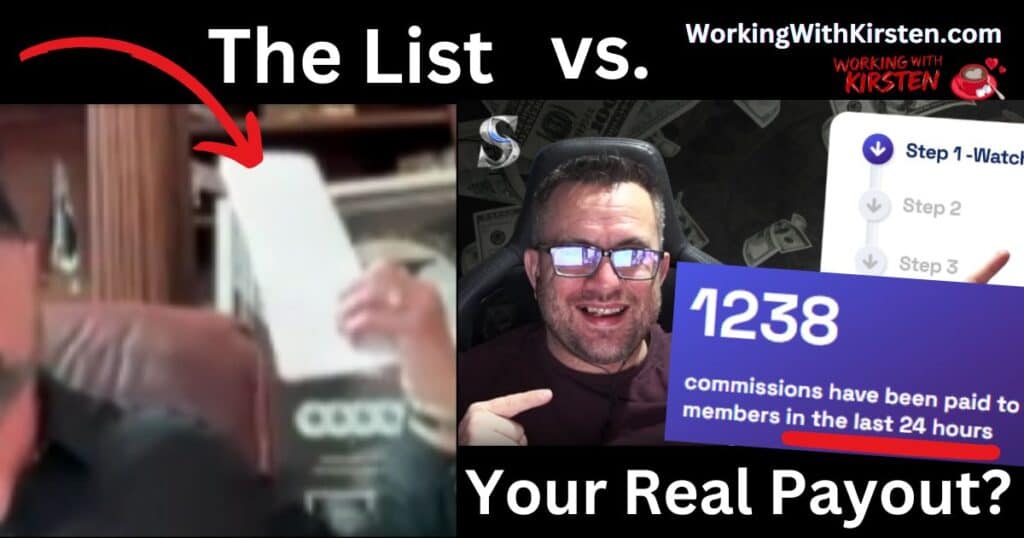
Perhaps the most absurd aspect of this whole ordeal is how the company is handling payouts. In a so-called “Town Hall” webinar that was supposed to address our questions, Bobby Jones and his team presented something so laughable it’s hard to believe they thought anyone would take it seriously: a folded piece of paper.
Yes, a wrinkled paper was their “proof” of the payout ledger. Forget about real-time dashboards, spreadsheets, or blockchain receipts. In this case, we got a piece of paper pulled out of a CEO’s glove box—hardly what you’d expect from a professional platform dealing with millions of dollars. How can anyone take a company seriously when they present their financials this way? It’s the ultimate red flag.
The “Glitch” That Never Gets Fixed
Now, let’s talk about the infamous “technical glitch” that’s been used as the reason for every delay, missed payout, and unauthorized charge. Bobby Jones claims this glitch isn’t his fault and insists that everything’s being worked on. But here’s the issue: Members are still facing mysterious charges, like $97 for services we never signed up for, and support tickets are left unanswered.
In fact, even after the Town Hall event where Bobby gave a long-winded excuse about how “everything in his power” was done to fix the issues, nothing has changed. We’re still dealing with unauthorized charges, glitches, and the same lies. He even advised members not to cancel their cards so that refunds could be processed through the “original card.” But we all know that’s a tactic meant to buy time and avoid paying back those owed money.
The CEO Who Dodges Accountability
At the center of this whole mess is Bobby Jones, a man who’s supposed to be the visionary leader of the platform but has failed to deliver on any of his promises. With over 26 years of experience, you’d think he would know better than to allow such chaos to unfold.
But instead of taking accountability, Bobby Jones has doubled down on his mistakes. When the initial version of Cliqly was working fine, driven largely by quality referrals, he decided to slash the entry cost from $1500 to $0, opening the floodgates to anyone—including fraudsters. This move was a direct invitation for chaos, and as expected, it’s led to the platform’s current mess.
A responsible CEO would’ve fixed the issues, restored order, and ensured the platform could provide value to its real members. But not Bobby. He chose to double down on the chaos, despite knowing it was harming the community.
The “Future of Cliqly” Is Nothing But Smoke and Mirrors
If you thought things couldn’t get worse, let’s talk about the so-called “future of Cliqly”. In the town hall meeting, Bobby Jones rambled on about the “future” of the platform, but instead of addressing real concerns, the conversation focused on only three sanitized topics:
-
Payouts (which are still a joke)
-
Glitch charges (still unresolved)
-
The future of Cliqly (which, honestly, looks pretty grim)
When I asked a legitimate question—“How can you expect people to keep building this business if no income is flowing?”—it was ignored, along with everyone else’s tough questions. Instead of taking accountability, Bobby Jones chose to deflect and avoid any meaningful discussion.
A Platform of Deception
Let’s break this down and compare:
The Good Guys:
-
Transparent payouts you can verify in real-time
-
Support teams that actually respond
-
Open, active social channels for feedback and interaction
-
Real-time dashboards (not folded pieces of paper)
-
Founders who stand behind their words and actions
The Shady Operators:
-
Folded paper as “proof”
-
Payouts that never show up
-
Closed comment sections to hide negative feedback
-
Charging for services you never signed up for
-
Unanswered support tickets and broken trust
It’s clear: Cliqly is in the latter category.
Real Consequences: The Personal Toll of Cliqly’s Lies
I’ve spoken to several people who have faced life-altering consequences as a result of trusting Cliqly. Some have lost their homes, others have faced financial ruin, and a few even took out mortgages to grow their businesses—only to be left with nothing.
Meanwhile, Bobby Jones continues to collect money from new members who are promised the same opportunities and returns, but just like us, they’re left waiting for payouts that will never come.
This isn’t growth. This is a Ponzi scheme disguised as a marketing platform.
The Bottom Line & My Final Verdict: Don’t Fall for the Lies of Bobby Jones
If you’re new to this industry, learn from my mistakes. Don’t get lured in by false promises and empty hype. Always check platforms on ScamAdviser.com before you invest your time or money. It’s easy to get swept up in the excitement of something that seems too good to be true, but trust me—Cliqly is not legitimate; it’s a bankrupt platform, and its founder, Bobby Jones, has been moving assets to his new venture, Clickerr on Whop, while leaving creditors in the lurch.
I’ve personally lost out on over $14,000 in accumulated weekly commission payouts between August and November 2024 because Bobby Jones stopped paying members, revealing his true agenda. We’ve now discovered that Cliqly was secretly declared bankrupt in June 2025, a move that coincides with the apparent transfer of assets to Clickerr. This isn’t just a missed payment; it’s a legal fight, and there’s a Chapter 7 bankruptcy trial via Zoom on August 6, 2025, at 4:00 PM CST.
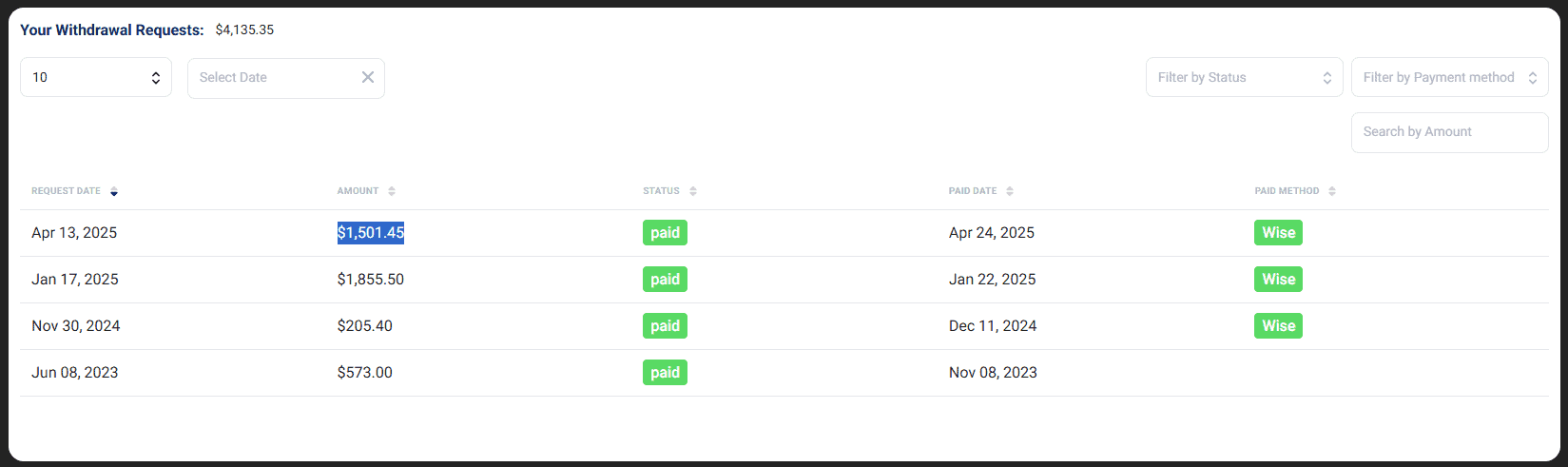
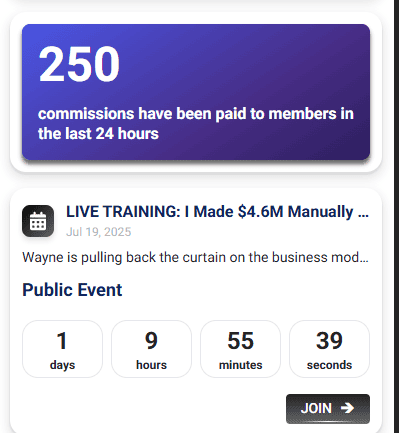
I’ve moved on to a platform that values transparency and integrity. They’ve paid out 249 people in the last 24 hours, and I can withdraw my earnings at the push of a button. No drama. No delays. Just a solid, transparent system that works.
If you’re tired of waiting for a payout that will never come, and if you’re ready to work with a platform that actually pays its members on time, let me connect you with the right opportunity.
Don’t make the same mistake I did. Stay informed, stay alert, and never settle for less than what you deserve.
If you want to finally build something solid and transparent, DM me or comment “PAYOUT” below. Let’s make sure you’re not another victim of the Cliqly scam.
Insider Tips & Tricks to Prevent Scams
Here is a video which I encourage you to check out to get a deeper insight into what’s really going on behind the scenes with scams and how to tell if a program is a scam.
Click the play button to watch it below…
In the world of online platforms and digital marketing, scams are unfortunately more common than we’d like to admit. But the good news is that you don’t have to fall victim to these fraudulent schemes. With the right knowledge and tools, you can protect yourself and your investments from platforms like Cliqly and others that are not what they claim to be.
Here are some insider tips and tricks to help you prevent falling for scams:
1. Always Check Trust Ratings & Reviews
Before committing to any online platform, make sure you do your due diligence. Check trust ratings and reviews on reliable websites like ScamAdviser. This site will give you an honest breakdown of the website’s trustworthiness by analyzing various factors like its age, owner information, and more. If a platform has a low trust score or a series of bad reviews, it’s best to steer clear.
2. Look for Transparent Payouts & Real-Time Data
Legitimate platforms will always have transparent payment processes that you can track in real-time. Platforms with hidden payout information, like Cliqly’s folded paper “proof,” are major red flags. A trustworthy platform will allow you to verify payouts through dashboards, spreadsheets, or blockchain receipts. If you can’t easily see the numbers or if they seem evasive, don’t trust it.
3. Avoid Platforms with Unsolicited Emails or Pressure Tactics
Scammers often use pressure tactics, such as emails promising huge returns or “limited-time” offers that seem too good to pass up. If you’re being bombarded with unsolicited emails or being pushed into joining quickly, this should be an immediate warning sign. Take your time, research, and don’t rush into anything.
4. Research the CEO & Leadership Team
Check out who is running the platform. Do a quick search to see if there are any red flags associated with the founder or CEO. If they’re dodging questions, avoiding transparency, or you can’t find any information about them, it’s probably a scam. A real CEO will be easy to find and will be open to questions and feedback.
5. Watch for Unexplained Delays in Payouts
One of the biggest signs of a scam is delayed payouts. If a platform promises a payout but keeps delaying it without clear reasons or legitimate explanations, it’s usually a scam. A reputable platform pays out on time, every time, and provides detailed records for you to check.
6. Leverage YouTube and Forums for Reviews
Before you sign up for anything, search for video reviews and discussions in online forums. YouTube can be a goldmine for uncovering the truth behind online scams. Users often post video proof of bad experiences, and it can be a good way to learn from others’ mistakes.
7. Check for Red Flags in Marketing Messages
Scammers tend to use a lot of over-the-top promises like “guaranteed returns,” “get-rich-quick” schemes, or “unrealistic results.” If you’re being promised easy money with little effort, or if the company seems to be promising more than they can deliver, these are huge red flags. Don’t fall for it.
8. Use Scam Checker Tools Like ScamAdviser
Before investing time or money into any platform, always use a scam-checking tool like ScamAdviser to check the trustworthiness of the website. It’s a great way to verify whether a platform is legitimate or whether you should keep your distance. ScamAdviser can help you quickly determine if the site is safe and if there are any warnings associated with it.
More Resources & Info: How to Prevent Scams
Staying informed and educated is the best way to protect yourself from falling for online scams. There are plenty of resources available to help you recognize the warning signs, understand the tactics used by scammers, and make smarter decisions in the digital world. Below are some additional resources, books, and tools to ensure you stay one step ahead of fraudsters.
1. ScamAdviser: The First Step in Scam Prevention
Before you invest your time, money, or trust in any online platform, always check its reputation using ScamAdviser. This free tool analyzes websites based on various factors, such as domain age, ownership transparency, and user reviews, to give you an overall trust rating. It’s a quick and easy way to spot potential red flags before you get involved.
2. Report Scams & Seek Help
If you believe you’ve encountered a scam or been affected by fraudulent activity, don’t stay silent. Report it to official bodies such as:
-
The Federal Trade Commission (FTC): Report a scam
-
Better Business Bureau (BBB): File a complaint
-
Consumer Financial Protection Bureau (CFPB): Submit a complaint
-
Federal Bureau of Investigation (FBI) – Internet Crime Complaint Center (IC3): If you’ve been scammed online or become a victim of cybercrime, you can file a complaint with the FBI’s IC3.
Visit IC3
In addition, local authorities may also be able to help if you’ve been personally harmed by a scam. Always reach out to the appropriate law enforcement agencies, including:
-
Your Local Police Department: If you’re the victim of fraud or financial crime, the police can help investigate the issue.
-
The Sheriff’s Office: Many local sheriff’s offices also handle consumer fraud and scams. Contact them for assistance.
-
Attorney General (AG): Your state’s Attorney General is responsible for consumer protection. If you’ve been scammed, you can file a complaint with their office.
Find your state’s AG here
3. Report to Media Outlets: Radio & TV Stations
Another effective way to spread awareness of scams is by contacting local media outlets. Radio and TV stations often investigate scams and share them with the public to protect others from becoming victims. You can reach out to the consumer protection segments of your local news or radio stations to report fraudulent activity or share your story. They may conduct investigations, air reports, or provide valuable advice on avoiding scams.
-
Contact your local TV station (Search online for the news stations in your area).
-
Call local radio stations that have consumer protection segments.
-
National TV Networks like ABC, NBC, or CBS have consumer protection segments where they investigate fraud and scam-related cases.
4. Amazon Book Recommendations: Protect Yourself from Scams
Reading up on scam prevention can provide you with a wealth of knowledge to help you recognize scams when they come your way. Here are some highly recommended books that can help you identify red flags and make informed decisions in the world of online business:
“Scam Me If You Can” by Frank Abagnale
This book is written by one of the most famous fraud experts in the world. Frank Abagnale, the subject of the movie Catch Me If You Can, reveals the tricks scammers use and how you can protect yourself from being a victim.
“Scams, Hacking, and Cybersecurity: The Ultimate Guide to Online Safety and Privacy”by
Written by cybersecurity expert May Brooks-Kempler, whose passion for cybersecurity awareness began in the 1990s while exploring hacking communities, this cybersecurity for dummies 2024 guide blends storytelling with actionable strategies. It’s not just another cyber security book—it’s your practical anti-hacking guide to navigating the digital age safely.
“How to Cheat at Everything: A Con Man Reveals the Secrets of the Esoteric Trade of Cheating, Scams, and Hustles by Simon Lovell
Gambling is more popular than ever, with multi-million dollar poker tournaments on television, gambling themed movies like Rounders gaining in popularity, and casinos opening in just about every state of the U.S. How to Cheat at Everything is a roller-coaster ride through bar bets, street hustles, carnivals, Internet fraud, big and small cons, card and dice games and more. You’ll even find the exact frauds that the NYPD regard as the most common and dangerous today, and learn top tips on how to avoid each one. This inside information comes from Lovell’s lifetime of experience in the field, along with additional information from both sides of the law. Not just a “here’s how the con works” book; this guides you through the set up, the talk, the sell, everything about the con, and how you can be suckered into one. If you think that you can’t be conned; then you are already halfway to being so! There is no preaching here, just a fun ripping ride through a world so few know about. You’ll meet wild, eccentric and larcenous characters and you’ll learn how they work their money-making deeds, all without having to risk a penny of your own money.
“Fool Me Once: Scams, Stories, and Secrets from the Trillion-Dollar Fraud Industry by Kelly Richmond Pope
A riveting look at the perpetrators, victims, and whistleblowers behind financial crimes, from forensic accounting expert and documentarian Kelly Richmond Pope.
5. Online Communities & Forums for Scam Awareness
Sometimes, the best way to learn about potential scams is by connecting with others who have had similar experiences. Online forums and communities are great places to exchange knowledge and stay up-to-date on the latest scams in the digital marketing world.
Reddit – r/Scams: A subreddit dedicated to discussing scams, frauds, and schemes that people have encountered. Users share their experiences, discuss warning signs, and post advice on how to avoid falling victim.
Visit r/Scams
TrustPilot: Use TrustPilot to check reviews and ratings for any platform you’re considering joining. Real user reviews can give you an honest perspective on whether a company is legitimate or a scam.
Visit TrustPilot
ScamWatch: This Australian government site offers advice on avoiding scams and provides a detailed list of reported scams. While it’s based in Australia, the information is globally relevant.
Visit ScamWatch
6. Be Aware of Fake Social Proof
Scammers often use fake testimonials, fake reviews, and manipulated social media proof to gain your trust. Make sure you look beyond the shiny facade of “success stories” on platforms like Instagram, Facebook, and YouTube. Always verify claims by searching for independent reviews and checking with legitimate sources.
7. Know Your Legal Rights
If you feel you’ve been scammed, it’s important to know your legal rights and the steps you can take to seek justice or recover lost funds. Resources like the Consumer Financial Protection Bureau (CFPB) and local consumer protection agencies provide free advice on how to file complaints and protect yourself from fraud.
By arming yourself with the right knowledge, taking proactive steps, and utilizing trusted resources, you can avoid falling victim to scams in the online marketing world. Remember, scams prey on those who are unprepared, so equip yourself with the tools to spot a fraud before it’s too late.
Stay safe, stay informed, and don’t let scammers take advantage of you.

Hi, I’m Kirsten!
I started Working with Kirsten to share my journey of rebuilding from burnout, scams, and setbacks — and to help others create purpose-driven income online.
Over the years, I’ve explored nearly every online business model you can think of — eBay, Amazon, Kindle publishing, Etsy, eCommerce — chasing freedom, creativity, and stability. Some of it worked. Some of it didn’t. I eventually burned out hard after losing my Kindle account, and later, I hit rock bottom when I was caught in one of the biggest affiliate scams of 2024, losing over $14,000 in unpaid earnings.
That moment nearly ended everything.
But instead of giving up, I used what I’d learned to rebuild. I found my mentor, tapped back into my creative energy, and started building a business that actually felt good to run — not just profitable, but meaningful.
That’s how Working with Kirsten and my philosophy of Helponomics were born — the idea that by helping others first, success naturally follows.
Today, I’m a digital creator and affiliate marketer focused on ethical partnerships, aligned offers, and creating income that’s both sustainable and soul-led.
Whether you’re just starting out or starting over, I’m here to show you that you don’t need to hustle yourself into exhaustion or fall for the hype. You can build a business with purpose, resilience, and heart — and I’d love to help guide you every step of the way.