

Key Takeaways
- Jordon Schultz has been implicated in multiple online scams, particularly through his “Traffic Sellers Club Coaching” program, with numerous complaints documented on consumer protection websites.
- Legal records show Schultz has been involved in lawsuits and bankruptcy proceedings that provide supporting evidence for fraud allegations against him.
- Victims report consistent patterns: unrealistic income promises, high-pressure sales tactics, hidden costs, and complete disappearance of support after payment.
- Many customers have lost thousands of dollars through his programs, with reports suggesting he changes business names frequently to evade detection.
- There are specific steps you can take to protect yourself from similar scams, including thorough research and utilizing credit card protections if you’ve already invested.
If you’ve been searching for information about Jordon Schultz’s online programs, you’ve likely encountered concerning reviews and allegations. This comprehensive investigation reveals the truth behind these claims and provides actionable advice for anyone who has already invested or is considering his offerings.
As online business opportunities continue to attract aspiring entrepreneurs, it’s crucial to distinguish legitimate mentors from those operating deceptive schemes. ScamGuardian has investigated numerous complaints about Jordon Schultz’s business practices, revealing a troubling pattern of behavior that demands closer examination.
⚠️ My Warning to You ⚠️
I joined Jordon Schultz’s Traffic Sellers Club Coaching after seeing it promoted by someone I trusted. I paid over $1,800 believing I’d get step-by-step coaching and guaranteed support. Instead, I was pushed into downloading virus-flagged files, cloning disturbing porn sites I was never told about, and paying for traffic that Schultz completely controlled.
When I tried to cash out my small earnings, he blocked my payout, cut off my access to the training, and even marked my emails as spam. I lost my money, my time, and my trust.
If you’re considering one of his programs, don’t make the same mistake I did.
My Personal Story: How I Got Scammed by Jordon Schultz
I want to share my own experience with Jordon Schultz’s “Traffic Sellers Club Coaching” program so others don’t fall into the same trap I did.
I first discovered the program through a webinar hosted by Ricky Mataka, someone I had followed and trusted for years. Because Ricky endorsed it, I felt confident signing up. The presentation was polished and persuasive: Jordon promised easy wins, quick payouts, and even gave attendees $100 in “traffic credit” to prove the system worked. He showed examples of students supposedly making money live on the webinar, which made it feel safe and real.
Encouraged by this, I paid $1,497 for the program, which included four weeks of coaching and $1,000 in advertising traffic. What I actually received was very different from what was promised. The training was extremely technical and confusing, especially for beginners. Instead of clear guidance, I was directed to download files flagged as viruses by my antivirus software. When I raised concerns, I was told to uninstall my antivirus and ignore the warnings.
Things got worse. After the first four weeks, Jordon introduced a “bonus” training series that none of us had been told about before buying. This training pushed students into building porn websites using his Landerbolt platform and cloning adult content. Not only was this shocking and offensive, but I was horrified because children in my household could have easily seen these obscene images while I worked through the assignments. I would never have joined the program had I known this was part of it.
Throughout the course, I submitted every homework assignment as required, invested additional money into traffic, and even paid $97/month for a Landerbolt subscription plus other out-of-pocket costs. In total, I spent over $1,800 following his instructions. Despite doing everything by the book, I never received the payout I was promised. My small earnings of $151.30 were first marked as “pending” for weeks, then rejected outright.
When I began asking for help and requesting the support that was guaranteed, my questions went unanswered. Eventually, I was blocked from the live webinars, had content removed from my account, and was even banned from contacting support. My emails were marked as spam to prevent me from reaching the team at all. In short, they took my money, cut me off, and left me with nothing.
Looking back, it’s clear this program was designed to funnel students’ money into systems Jordon and his partners fully controlled: their traffic sites, their subscription platforms, their payout systems. When you try to cash out, they simply refuse, keeping all the money for themselves. The entire process feels scripted, from the fake student testimonials on the webinars to the staged Q&A sessions where the same names and questions appear every week.
I trusted this program because of the endorsement, the guarantees, and the professional presentation. Instead, I was deceived, manipulated, and defrauded. That’s why I’m speaking out — not only for myself but for anyone considering signing up for one of Jordon Schultz’s rebranded programs. If my story stops even one person from losing money the way I did, sharing it will have been worth it.
Who is Jordon Schultz and Why Are People Calling His Programs Scams?

Jordon Schultz presents himself as an internet marketing guru who claims to have discovered profitable methods for generating passive income online. His programs, particularly the “Traffic Sellers Club Coaching,” promise to teach students how to create sustainable online businesses with minimal effort and substantial returns. However, a growing number of former customers have come forward with strikingly similar complaints.
These allegations aren’t isolated incidents but form a consistent pattern spanning several years and multiple program iterations. The complaints center around misleading marketing, unfulfilled promises, and what many describe as predatory business practices designed to extract maximum payment while delivering minimal value.
But the troubling reports don’t stop at unhappy customers. Court records show that Schultz has also engaged in dishonest conduct in his own business dealings. In a federal bankruptcy case, the Ninth Circuit Court of Appeals found that Schultz knowingly undervalued critical assets—customer and lead lists that had previously generated millions in sales—claiming they were worth just $778.60 when he had earlier represented them as being worth $1,000,000. He then reused those same lists in a new company to generate profits while attempting to shield himself from creditors. The court concluded that Schultz’s filings amounted to a false oath and denied him the ability to discharge his debts, citing fraud and bad faith.
When you combine this legal history with the many customer complaints, a picture emerges of a marketer who is not only willing to cut corners but also to mislead for personal gain. His pattern of rebranding programs under new names when negative reviews accumulate only reinforces the impression of someone more focused on extracting money than delivering genuine value.
Business Address Transparency: A Red Flag

One concerning detail that has emerged from victim reports is the nature of Jordon Schultz’s listed business address:
162 S. Rancho Santa Fe Dr., Encinitas, CA 92024, United States
Unlike a standard registered business with a permanent office or a known corporate headquarters, this address corresponds to an office and business center rather than a standalone business location. While using virtual offices or shared spaces isn’t inherently illegal, it is often a warning sign in combination with other red flags, especially in online programs that handle large payments and promises of earnings.
Victims and observers note that this type of address can make it more difficult to:
-
Verify the legitimacy of the business.
-
Pursue legal action or serve legal notices.
-
Track down responsible parties if problems arise.
Transparency in business location is an important factor in evaluating any online program. Legitimate educational and coaching businesses typically maintain verifiable addresses and physical offices, reflecting their accountability and commitment to customers.
This lack of a traditional, traceable location reinforces other warning signs associated with Schultz’s programs, including hidden fees, blocked access, and rejected payouts.
Background on Jordon Schultz’s Business Ventures
Schultz emerged in the online marketing space promoting various “foolproof” systems for generating income. His business model typically involves free or low-cost webinars that funnel participants into expensive coaching programs. According to multiple sources, he frequently collaborates with other marketers like Ricky Mataka, to whom I also sent countless emails that have been unanswered to this day who help promote his programs to their subscriber lists, lending an appearance of legitimacy to his offerings.
Over time, Schultz has operated under various business names and program titles. This practice of rebranding appears strategic, as numerous complainants have noted that when negative reviews accumulate around one program name, a new iteration emerges with similar content but under a different title.
“I bought coaching called Traffic Seller Club Coaching from Jordon Schultz via a sales webinar that Ricky Mataka promoted to his subscribers list so I felt confident… It seems that he is even changing his name and the name of the program so that people who got scammed do not recognize him anymore.” – From RipoffReport.com complaint #1532582
The Major Programs and Promises Made
The “Traffic Sellers Club Coaching” represents Schultz’s primary offering in recent years, though it has appeared under various names. The program promises to teach participants how to generate substantial passive income through online traffic generation and affiliate marketing techniques. Sales materials and webinars typically showcase impressive earnings statements and testimonials suggesting students can earn thousands of dollars monthly with minimal time investment.
According to victims’ testimonies, Schultz claims his system works for anyone regardless of experience level, requires minimal technical knowledge, and can be implemented in just a few hours per week. The marketing materials emphasize “done-for-you” components that supposedly eliminate the learning curve and accelerate results.
These promises form the foundation of what many former customers later describe as a classic bait-and-switch operation. After paying substantial fees—often several thousand dollars—many report receiving generic, outdated materials that bear little resemblance to the sophisticated systems promised in the sales presentations.
Legal Issues and Bankruptcy Records
Public records reveal concerning legal issues that add credibility to the complaints against Schultz. Court documents show he has been involved in bankruptcy proceedings and lawsuits directly related to his business activities. These legal actions provide important context for evaluating the allegations against him.
A particularly relevant case is documented at Casetext.com, showing Schultz involved in proceedings against “Keyword Rockstar Inc.” This litigation appears to relate directly to his business practices and has been cited by former customers as additional evidence supporting their fraud claims.
These legal issues raise serious questions about Schultz’s business ethics and the legitimacy of his marketing claims. They also suggest a pattern of financial impropriety that extends beyond isolated customer complaints into the realm of formal legal consequences.
Red Flags in Jordon Schultz’s Marketing Tactics
Examining Jordon Schultz’s marketing materials reveals several alarming patterns that savvy consumers should recognize as warning signs. These tactics aren’t just aggressive sales techniques—they’re carefully crafted psychological triggers designed to override rational decision-making and create artificial urgency.
Understanding these manipulation strategies is crucial for protecting yourself from not just Schultz’s programs but similar schemes operating throughout the online business education space. Let’s examine the most prevalent tactics reported by former customers.
Unrealistic Income Promises
At the core of Schultz’s marketing approach are income claims that strain credibility. Former customers report being shown screenshots of earnings ranging from $5,000 to $20,000 per month, presented as typical results achievable within weeks of implementing his systems. These representations allegedly occur both in sales webinars and personal communications, creating unrealistic expectations that few if any students ever achieve.
While the marketing materials contain small-print disclaimers about “results not being typical,” the overall presentation leaves prospects with the clear impression that substantial income is virtually guaranteed. This contradiction between prominent income claims and buried disclaimers represents a classic deceptive marketing tactic used by many questionable opportunity sellers.
Multiple complainants report that when questioned about these disparities after purchase, support representatives either become hostile or completely ghost customers. This pattern suggests the income claims serve purely as marketing devices rather than reflecting actual customer outcomes.
High-Pressure Sales Techniques

Former customers consistently describe being subjected to intense pressure during sales calls. According to these accounts, Schultz and his team employ classic high-pressure tactics: artificial deadlines, claims that “spots are almost gone,” and warnings that prices will increase dramatically after the call ends. These tactics create a false sense of urgency that pushes prospects to make rushed decisions without proper due diligence.
Several victims report being kept on sales calls for two hours or longer, a technique known as “exhaustion selling” where resistance is worn down through persistent pitching. Others describe being told they were “specially selected” for an opportunity not available to the general public, creating an artificial sense of privilege and exclusivity that further clouds judgment.
Misleading Testimonials and Success Stories
The testimonials featured in Schultz’s marketing materials deserve particular scrutiny. Multiple former customers report recognizing the same “successful students” appearing across different programs under different names. This suggests the possibility that these testimonials may be fabricated or paid endorsements rather than genuine student success stories.
When new customers attempt to contact these supposed success stories for advice or verification, many report these individuals are unreachable or do not exist on social media platforms where successful entrepreneurs typically maintain profiles. This pattern raises serious questions about the authenticity of the success claims central to Schultz’s marketing materials.
The Bait and Switch: Initial Offers vs. Reality
Perhaps the most consistent complaint involves the significant gap between what’s promised during sales presentations and what’s actually delivered after purchase. According to multiple reports, Schultz’s webinars and sales calls promise “done-for-you” systems, personalized coaching, and proprietary techniques that will generate immediate results with minimal effort.
Instead, many customers report receiving generic PDF guides, links to publicly available YouTube videos, and access to outdated training that bears little resemblance to the sophisticated systems promised. The personalized coaching often turns out to be brief group calls with minimal individual attention, or worse, access to support staff with limited knowledge who can’t answer substantive questions.
This disconnect between promise and delivery represents the classic “bait and switch” tactic that defines many questionable business opportunity programs. By the time customers realize what they’ve actually purchased differs dramatically from what was promised, many report difficulty obtaining refunds or even reaching customer support.
The Traffic Sellers Club Coaching Program Exposed
Jordon Schultz’s “Traffic Sellers Club Coaching” program I bought here has generated particularly numerous complaints. This program, sometimes rebranded under slightly different names, promises to teach participants how to generate significant income through online traffic generation and monetization. Let’s examine what customers actually report receiving after their substantial investments.
Detailed Timeline of My Experience
Understanding exactly how Jordon Schultz’s Traffic Sellers Club Coaching operates is easier when you see it unfold step by step. Here is a chronological account of my experience, from initial discovery to blocked access and rejected payouts:
1. Discovery and Initial Sign-Up
-
I first learned about the program through a webinar hosted by Ricky Mataka, someone I had followed and trusted.
-
The webinar presented Schultz’s system as a turnkey solution for generating online income, complete with live demonstrations and “proof” of student earnings.
-
Motivated by the polished presentation and the promise of easy results, I signed up for the program, paying $1,497 for four weeks of coaching and $1,000 in advertising traffic.
2. Program Delivery Begins
-
Training materials were extremely technical and confusing, even for a motivated beginner.
-
I was instructed to download files that my antivirus flagged as viruses and told to bypass warnings.
-
Early assignments required following instructions to create websites and buy traffic controlled entirely by Schultz, with limited transparency about the processes.
3. Hidden Costs and Additional Investments
-
After the first four weeks, Schultz introduced “bonus” materials, including adult content-based traffic and monetization methods I had not been told about upfront.
-
Additional costs quickly mounted, including $97/month for a Landerbolt subscription and required monthly traffic spends of $200-$300.
-
Total investment exceeded $1,800—far beyond the original advertised cost.
4. Attempted Payouts and Rejection
-
After completing assignments and generating a small balance of $151.30, I attempted to cash out my earnings.
-
My payout was first marked “pending” for weeks, then outright rejected within Schultz’s own platform.
-
Because he controls the payment system, he was able to block my access to funds without external oversight.
5. Blocked Access and Blacklisted Email
-
When I reached out to request support or clarification, I was systematically blocked:
-
Live webinar access was revoked.
-
My account on the learning platform was disabled.
-
Emails sent to support were automatically marked as spam, effectively preventing any further contact.
-
-
At this point, I had no access to course materials, coaching, or the promised support system.
6. Attempts to Recover Funds or Contact Support
-
I submitted multiple emails and inquiries documenting the issues I experienced.
-
Every attempt was ignored or actively blocked, leaving me with no recourse through the program itself.
-
Only after reporting and documenting the experience externally (RipoffReport, consumer protection agencies) could I begin exploring options like chargebacks or formal complaints.
What’s Promised in the Sales Webinars
According to multiple complaints, the sales webinars paint an enticing picture: a turnkey system for generating income through affiliate marketing and traffic monetization. The pitch typically emphasizes how students can leverage Schultz’s “proven system” to create passive income streams with minimal technical knowledge or time investment. Participants are told they’ll receive proprietary methods, done-for-you campaigns, and personal coaching from Schultz himself.
The webinars reportedly feature impressive income screenshots and testimonials from “successful students” who claim to be making thousands of dollars monthly using Schultz’s methods. These presentations create the impression that success is not just possible but highly probable for anyone who follows the system.
Most critically, prospects are told the system works for complete beginners and requires no specialized skills or substantial time commitment. This accessibility claim appears central to attracting inexperienced individuals who lack the background knowledge to evaluate the program’s feasibility critically.
Hidden Costs and Upsells
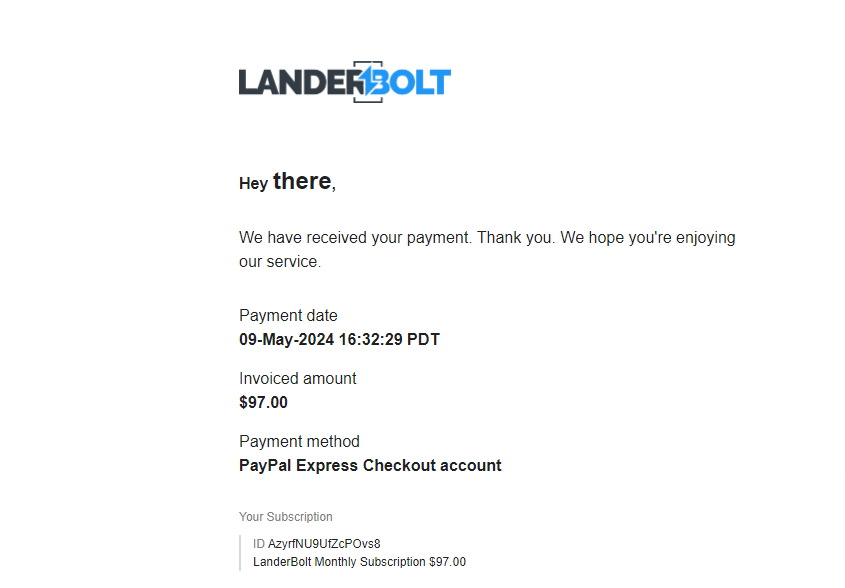
After paying the initial program fee (frequently reported to be between $1,997 and $2,997), customers describe discovering numerous additional costs not clearly disclosed during the sales process. These include mandatory traffic purchases, additional software subscriptions, and “advanced training modules” presented as essential for success but requiring additional payments of hundreds or thousands of dollars.
According to complaints, these hidden costs can quickly double or triple the actual investment required to implement the program as described. When customers express surprise or resistance to these additional costs, they report being told these investments are “standard in the industry” or that their reluctance to invest further demonstrates a “lack of commitment to success.”
This pattern of undisclosed costs represents a serious concern, as many customers report budgeting only for the advertised program price, only to discover they cannot actually implement the system without significant additional investment.
The $200+ Required Traffic Spend
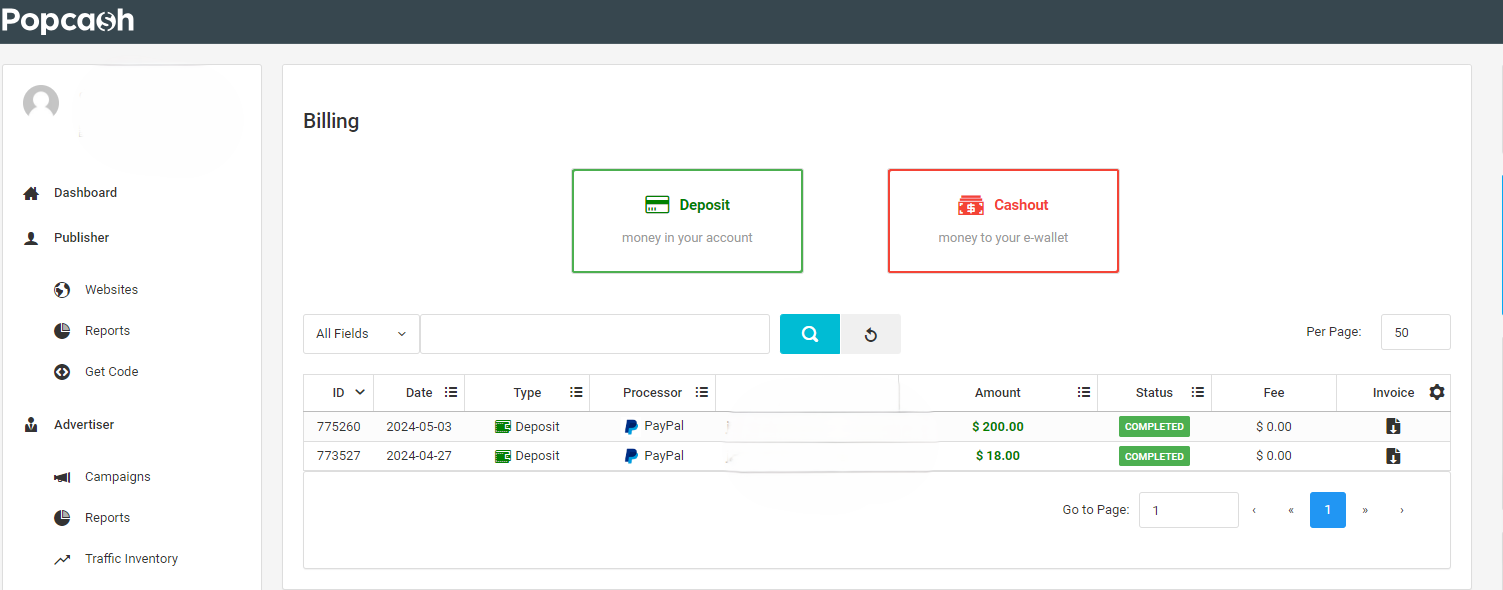
A particularly consistent complaint involves required traffic purchases. Despite marketing claims suggesting the program includes all necessary components for success, former customers report discovering they must spend at least $200-$300 monthly on paid traffic—an expense allegedly not clearly disclosed during the sales process. This recurring expense significantly alters the program’s economics and potential return on investment.
When customers attempt to implement the program without these additional traffic purchases, many report receiving discouraging feedback from support representatives, who insist success is impossible without this ongoing expense. This creates a troubling dynamic where students are pressured to continue investing with no guarantee of positive returns.
Moreover, several complainants note that the traffic sources recommended are of dubious quality, leading to poor conversion rates that make profitability virtually impossible even with substantial ongoing investment. This raises questions about whether the business model itself is viable as presented.
Content Removal and Access Blocking Tactics
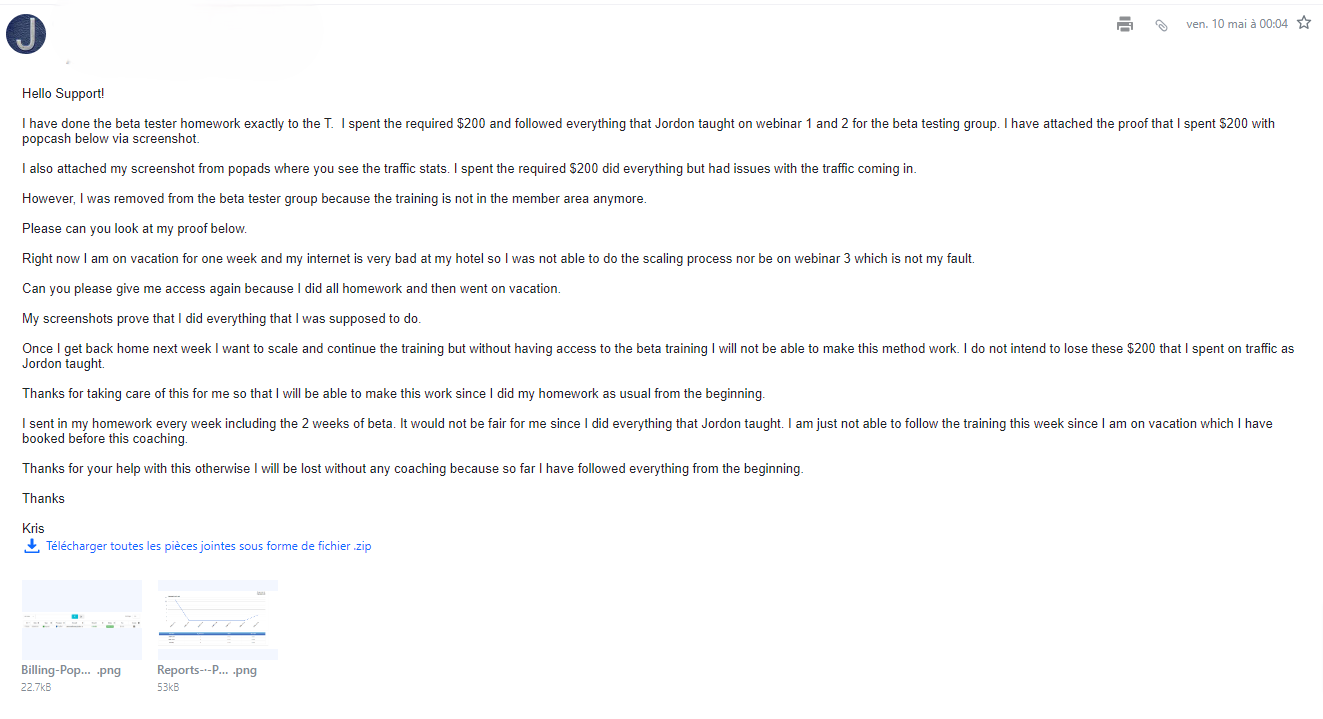
Perhaps the most troubling pattern reported by former customers involves sudden loss of access to materials they’ve purchased. Multiple complaints describe scenarios where students who ask difficult questions, request refunds, or express dissatisfaction suddenly find themselves blocked from accessing course materials and support groups without warning or explanation.
This access termination typically occurs without refund or acknowledgment, effectively leaving customers with nothing to show for their substantial investment. Several former students report being blocked from Facebook groups, having their login credentials invalidated, and finding all communication channels suddenly closed when they began questioning program quality or requesting assistance with implementation problems.
This pattern of access removal represents a serious ethical concern and potentially violates consumer protection laws in many jurisdictions. It also appears designed to prevent dissatisfied customers from comparing notes or organizing collective action.
The Adult Content Surprise: What They Don’t Tell You Upfront
Multiple complainants report a particularly troubling discovery after purchase: many of the traffic and monetization methods taught involve adult content or gambling niches. According to these reports, this critical detail is rarely if ever mentioned during the sales process, leaving many customers uncomfortable with implementing the strategies as taught.
When these customers express discomfort with these adult-oriented approaches, many report being told they’re “not serious about success” or that their “moral objections are limiting their income potential.” This dismissive response to legitimate ethical concerns adds another layer of deception to the sales process, as many customers report they would never have purchased had this focus been disclosed upfront.
This failure to disclose a central component of the business model represents another form of misrepresentation that could constitute false advertising in many jurisdictions. It also places customers in the difficult position of having invested thousands in a program they cannot implement in good conscience.
Rejection of Payouts

One of the most consistent and troubling issues reported by students of Jordon Schultz’s programs is the outright rejection of promised payouts. After investing hundreds or even thousands of dollars into programs like Traffic Sellers Club Coaching, many students find that their earnings are either frozen, denied, or vanish entirely without explanation.
From my personal experience, after completing all assignments and investing additional funds into traffic campaigns and platform subscriptions, I earned a modest $151.30. When I attempted to withdraw these earnings, the payout was rejected directly inside Schultz’s own payment platform ClickHub Traffic Portal, which he controls. Because he has full control over this system, there is no third-party oversight or mechanism for students to force payment. This centralized control effectively allows the program operators to retain student earnings at will.
Multiple complaints from fellow students that I have been talking to describe the same pattern: initial earnings are marked as “pending” for weeks, followed by denial or sudden disappearance. Emails requesting clarification often go unanswered or are blocked, and access to course materials and support is removed. Students are left with no way to retrieve their funds, reinforcing a concerning pattern of exploitation.
This structure — combining mandatory investments in traffic and subscriptions with exclusive control over payouts — creates a system where students are lured in with promises of income but cannot actually access the money they earn. First-hand evidence like screenshots of payout rejections makes it clear that this is not an accidental error, but a systematic operational method.
If you have already invested and faced payout issues, it is critical to document all communications, including screenshots, and contact your credit card provider or consumer protection agencies immediately. In many cases, chargebacks or formal complaints may be the only avenues to recover lost funds.
Blocked Access and Blacklisted Support
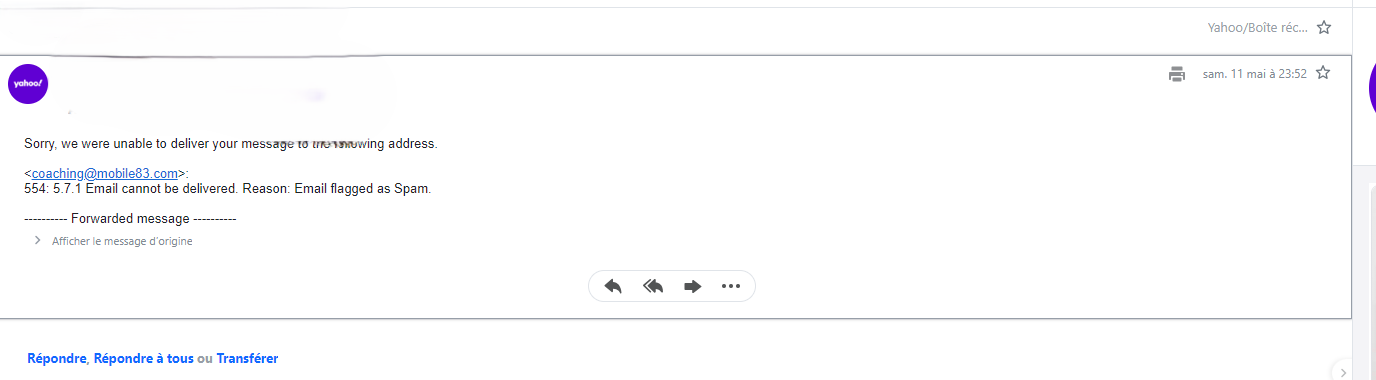
After my payout was rejected, the situation escalated when I found myself completely locked out of the learning platform. Attempts to log in were met with error messages, and my access to course materials was abruptly terminated. This action left me unable to continue my learning or utilize the resources I had paid for.
When I reached out to support via email, I was met with silence. My messages went unanswered, and eventually, I discovered that my email address had been blacklisted. This meant I could no longer contact the support team, effectively cutting off any communication and leaving me without recourse.
This pattern of behavior is not unique to my experience. Many others have reported similar issues, where access to the learning platform is revoked without warning, and attempts to reach support are blocked or ignored. Such actions suggest a deliberate strategy to prevent students from seeking assistance or holding the program accountable.
If you find yourself in a similar situation, it’s crucial to document all communications and actions taken. Consider reaching out through alternative channels, such as social media platforms or consumer protection agencies, to report the issue and seek assistance. Remember, you’re not alone, and there are avenues to pursue justice and potentially recover your lost funds.
Refund Request Nightmares
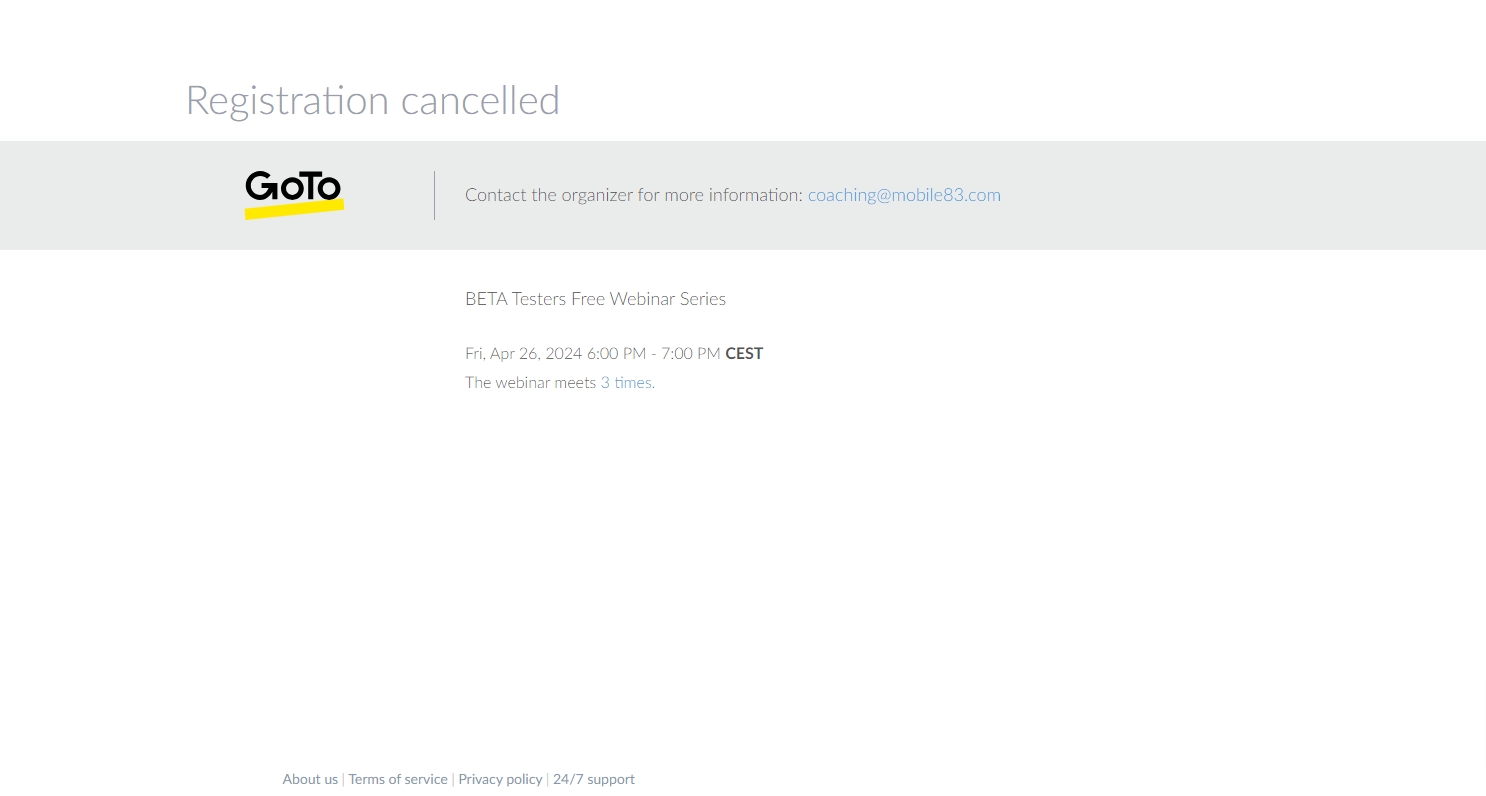
One of the strongest selling points of this program was the promise of a 100% risk-free LIFETIME money-back guarantee, promoted heavily during the sales webinar by Ricky Mataka, who hosted the event. This guarantee was supposed to reassure students that if they took action and weren’t satisfied, they could simply request a refund with “one click.”
Even more striking, during the sales webinar Jordon Schultz himself emphasized that there was a lifetime guarantee. He went so far as to say that if we “didn’t even like the sound of his voice,” we could ask for a refund at any time. A guarantee that bold left no room for doubt—it was supposed to be ironclad. In my case, asking for a refund was more than reasonable: content was deleted from my dashboard, my access was blocked, and my payout requests were rejected.
But when I tried to exercise this lifetime guarantee—after countless emails and back-and-forth, only to be further insulted and even have content removed from my member area—the reality could not have been more different.
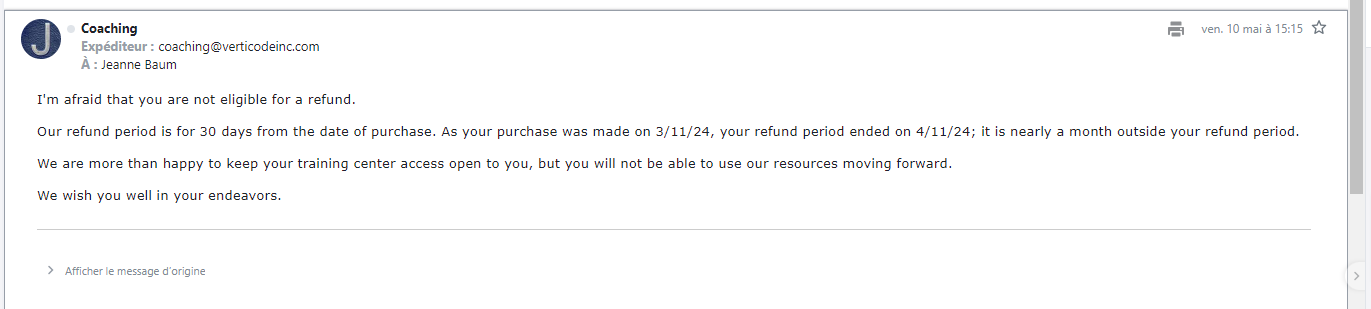
As soon as I raised concerns and requested a refund, the tone shifted dramatically. Instead of addressing my issues, Schultz’s team began removing access to the very materials I had paid for. My member area was restricted, preventing me from accessing the coaching replays, templates, and ongoing training I had already purchased. Shortly after, my payout request was rejected, despite screenshots proving that I had earned commissions through the system.
The back-and-forth with support grew increasingly hostile. I reached out over 100 times to Alex, the so-called support assistant, who repeatedly gave me excuses. Alex openly admitted that he had “limited access” to Jordon and Bret, the two people supposedly responsible for the training. In reality, this meant I got zero actual support—no coaching, no technical help, no resolution. How in the world can an assistant with no authority or expertise be responsible for a program that was sold as personal coaching and training with direct email support?
Eventually, they blacklisted my email, making it impossible for me to even submit further requests. At that point, I was locked out of everything: the training platform, the supposed “coaching,” and the payout system.
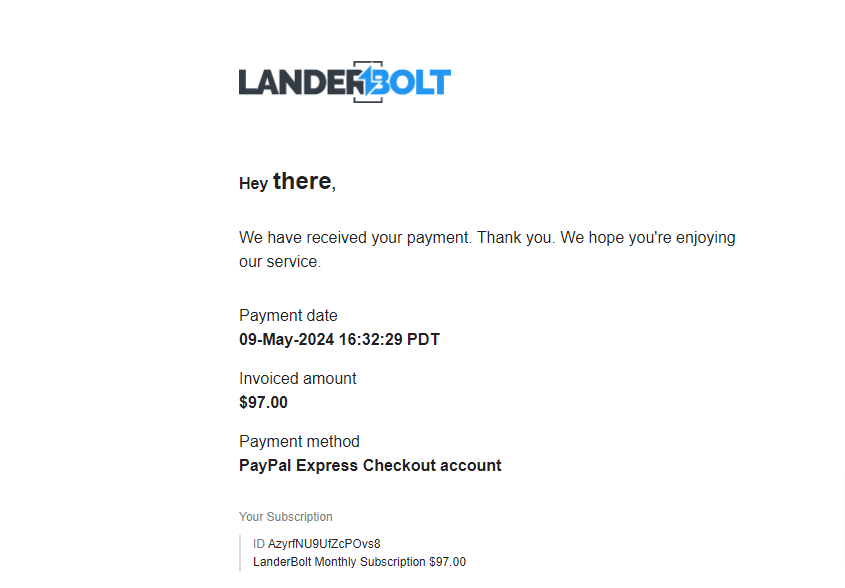
To make matters worse, I was still being charged monthly for Landerbolt, a platform that was essential to the program but became completely useless to me once my access was revoked. That charge was never refunded either, despite the fact that Schultz’s team had made the system inaccessible.
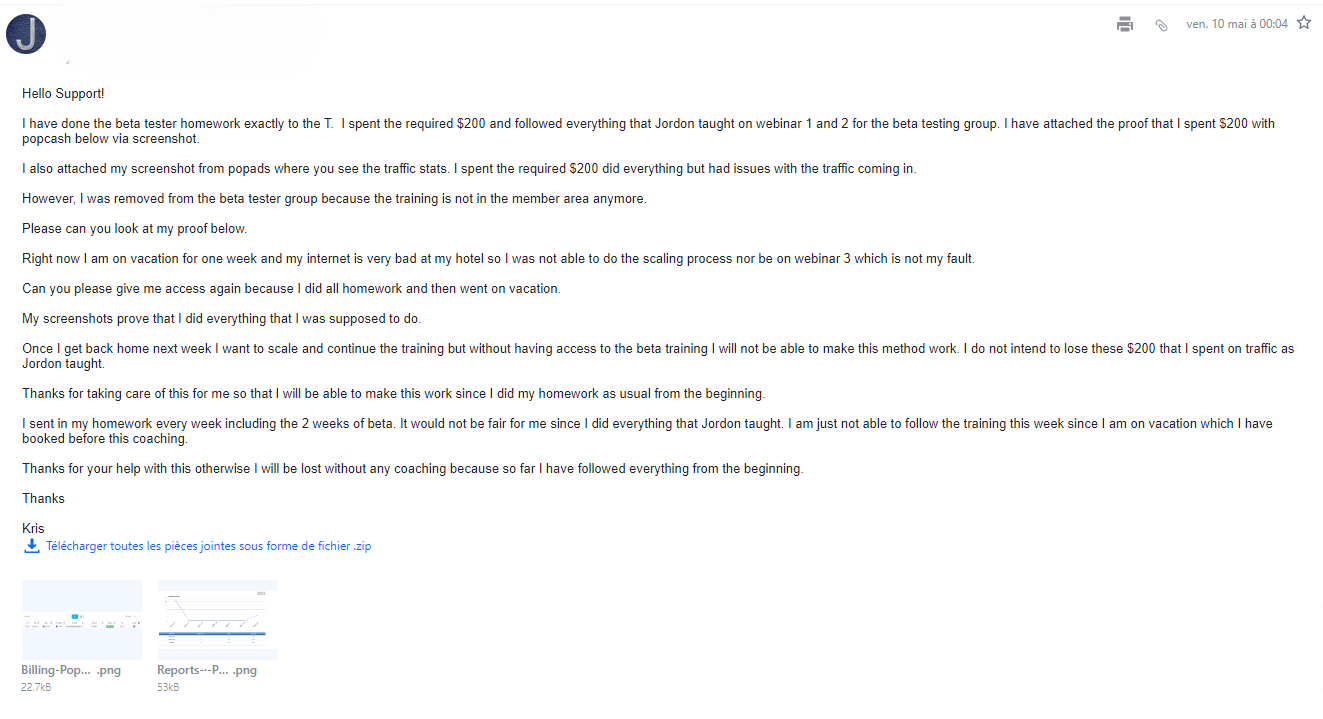
The only money I managed to recover was from independent traffic sources I had funded outside of Schultz’s ecosystem. Ethical providers like PopCash processed partial refunds through PayPal when I explained the situation. However, any funds I had already spent on traffic were lost forever—because those clicks had already been directed into Schultz’s controlled payout system, where my commissions were rejected and ultimately stolen.
In short, the so-called “refund guarantee” was nothing more than a bait-and-switch. Not only did I pay for a program that was stripped from me, but Schultz and his partners also kept traffic money that I personally funded, compounding the financial loss. This experience turned what was advertised as a risk-free investment into a nightmare of lost funds, denied access, and deliberate stonewalling.
How Support Disappears After Payment

The quality and availability of customer support represents another consistent complaint area. According to numerous reports, pre-sales support is exceptionally responsive and attentive, creating the impression of a customer-focused organization. Sales representatives are described as readily available, quick to respond to questions, and willing to spend extensive time addressing concerns.
This attentiveness reportedly changes dramatically after payment processing. Many former customers describe waiting days or weeks for responses to basic implementation questions. When responses do arrive, they’re often generic, unhelpful, or simply refer customers back to the same materials they’re struggling to understand.
This pattern suggests a business model focused primarily on acquisition rather than customer success—resources are allocated to converting prospects but not to supporting paying customers. This approach fundamentally contradicts the marketing promise of personalized coaching and support that features prominently in sales presentations.
In my case no help was provided even though I followed the 4 week coaching program to the T and sent in my homework. My emails were either ignored which left me hanging without any help as it was promised on the sales webinar (personal coaching with personal email support), or I was talked to by a person named Alex who had no clue himself or herself about what to tell me so Alex went for the easy and effortless support route of first telling me that I have to help myself, change my attitude, and then he went for easy excuses like he or she is only Jordon’s assistant and this is not even their full time job and support is overwhelmed and understaffed with only 3 people working for the company, including Alex, Jordon & Bret.
Financial Impact Analysis
One of the most striking aspects of Jordon Schultz’s programs is the actual financial impact on participants. While advertised costs might seem manageable, hidden fees, subscription charges, mandatory upsells, and lost potential earnings often make the total investment far higher than initially presented.
1. Program Fees and Initial Investment
-
The advertised price for Traffic Sellers Club Coaching typically ranges from $1,497 to $1,997.
-
In my personal experience, I paid $1,497 for the program itself, plus additional charges that were never clearly disclosed upfront.
2. Hidden Costs and Upsells
-
Additional “bonus” training modules often require extra payments. These can range from hundreds to over a thousand dollars, presented as essential for success.
-
Monthly subscriptions, such as $97 for Landerbolt access, add ongoing costs.
-
Recommended traffic purchases, typically $200–$300 per month, were required to implement the system as taught.
3. Total Direct Financial Loss
-
Including the program fee, subscription charges, upsells, and paid traffic, my total out-of-pocket investment exceeded $1,800.
-
Despite following the instructions exactly, I never received the promised payouts, meaning this entire amount represents a direct financial loss.
4. Lost Potential Earnings
-
Beyond the direct costs, time spent on the program represents an opportunity cost. Weeks of work and effort—estimated at over 50 hours—yielded minimal results.
-
Attempted payouts were blocked within Schultz’s own payment system, leaving small earnings (like my $151.30) unclaimed and unrecoverable.
5. Broader Implications
-
Reviews on RipoffReport and other consumer protection websites suggest that losses for other participants often range from $1,997 up to $10,000 or more when factoring in required upsells and additional investments.
-
This pattern demonstrates that Schultz’s programs are structured to maximize financial extraction while providing little to no real return on investment.
Personal Statement:
-
The combination of high upfront fees, hidden costs, blocked payouts, and inaccessible support makes the financial impact of these programs devastating. My experience serves as a cautionary example: even those who follow every instruction exactly can end up losing thousands of dollars.
Psychological Tactics and Manipulation
Jordon Schultz’s programs employ a series of psychological strategies designed to push prospects into making hasty financial commitments. Understanding these tactics is critical for identifying similar red flags in other online business programs.
1. High-Pressure Sales Tactics
-
Sales calls and webinars frequently create a sense of urgency with phrases like “limited spots available” or “price increases after this call.”
-
Prospective students are made to feel that missing the opportunity would mean losing a unique, once-in-a-lifetime chance, leaving little room for rational evaluation.
-
Many complainants describe marathon sales calls lasting hours, a method known as “exhaustion selling,” which wears down resistance and encourages impulsive purchases.
2. Emotional Manipulation
-
Schultz and his team often appeal to personal fears and aspirations, presenting their program as the only way to achieve financial freedom quickly.
-
Testimonials, many of which appear staged or reused across different programs, are used to trigger envy, hope, and trust.
-
Prospective students are subtly blamed for hesitation, suggesting that reluctance indicates a “lack of commitment” or that they are “not serious about success,” which pressures them emotionally into purchasing.
3. Misrepresentation of Results
-
Screenshots and income claims are presented as typical, even though disclaimers indicate results are not guaranteed.
-
This combination of selective representation and emotional framing creates an illusion of high probability success while masking the true risk and complexity of the program.
4. Scarcity and Exclusivity Cues
-
Phrases like “special invite only,” “your spot is reserved,” or “you’ve been specially selected” are used to make prospects feel privileged and increase perceived value.
-
This manipulative tactic leverages the fear of missing out (FOMO), making potential students more likely to bypass due diligence.
Why It Matters:
Recognizing these tactics helps prospective students pause and critically evaluate the program before committing money. Legitimate online courses rarely rely on emotional manipulation, artificial urgency, or misleading success claims; instead, they provide clear information, realistic expectations, and ample time for consideration.
Real Customer Experiences with Jordon Schultz Programs
The most compelling evidence against Jordon Schultz comes from the remarkably consistent experiences reported by former customers. These accounts, documented across multiple consumer protection websites and forums, paint a disturbing picture of systematic deception and financial harm. While individual experiences vary somewhat, certain patterns emerge with striking regularity.
Pattern of Customer Complaints
The complaints filed against Schultz’s programs follow a predictable trajectory: initial excitement based on compelling promises, growing confusion when accessing generic materials that don’t match sales presentations, increasing frustration when support proves inadequate or non-existent, and finally, anger upon realizing the promised results are virtually impossible to achieve using the materials provided. For more insights, you can read a detailed review on Jordon Schultz scams.
This consistency across dozens of independent reports from individuals with no connection to each other strongly suggests these are not isolated misunderstandings but rather the expected outcome of the program’s design. The similarity in experiences reported by customers from different backgrounds, locations, and time periods further strengthens the credibility of these complaints.
Many former customers express particular dismay at realizing how many others have had identical experiences, suggesting a systematic approach to customer acquisition and management rather than occasional service failures.
5 Warning Signs This Is a Classic Internet Marketing Scam
Based on the patterns observed in customer complaints, Jordon Schultz’s programs display numerous red flags consistent with problematic internet marketing operations. Understanding these warning signs can help potential customers protect themselves from similar schemes.
1. Too-Good-To-Be-True Income Claims
The cornerstone of Schultz’s marketing appears to be income claims that far exceed what reasonable business expectations would suggest is possible, especially for beginners. When programs promise extraordinary returns with minimal effort, time investment, or specialized knowledge, skepticism is warranted. Legitimate business education acknowledges the learning curve and work required for success.
Remember that genuine business success typically requires substantial effort, learning, and persistence. Anyone promising immediate, exceptional results with minimal investment of time or effort is likely misrepresenting reality to make a sale.
2. Urgency and Scarcity Tactics
The high-pressure sales approach reportedly employed by Schultz and his team relies heavily on artificial urgency. Claims of “limited spots,” “closing enrollment tomorrow,” or “price increases after this call” are designed to rush decisions and prevent proper due diligence.
Legitimate education providers rarely need such pressure tactics—their value proposition stands on its own merit and they welcome careful consideration of their offerings. When a seller pushes for immediate decisions while discouraging research or comparison shopping, they’re likely attempting to circumvent your critical thinking.
3. Lack of Transparent Contact Information
Multiple customers report difficulty finding legitimate business addresses, direct contact information, or even the legal business entity behind Schultz’s programs. This opacity makes it extremely difficult to pursue refunds, file complaints, or take legal action when problems arise.
Reputable businesses maintain clear, accessible contact information and transparent corporate structures. They’re proud of their physical locations and legal entities because they stand behind their offerings and have nothing to hide from customers or regulatory bodies.
4. Changing Business Names to Avoid Detection
Perhaps most troubling is the pattern of name changes reported by former customers. According to these accounts, when negative reviews accumulate around one program name, a nearly identical offering emerges under a new brand, making it difficult for prospective customers to find relevant reviews and complaints.
This practice of rebranding to escape negative feedback rather than addressing underlying quality issues represents a serious red flag that suggests intentional deception rather than occasional customer service failures. Legitimate businesses address complaints directly rather than hiding from them through rebranding.
5. Poor or Nonexistent Customer Service After Payment
The dramatic shift in responsiveness before and after payment processing represents another classic warning sign. Businesses genuinely committed to customer success maintain consistent support quality throughout the customer relationship. When pre-sales support is exceptional but post-purchase support vanishes, it suggests a business model focused on acquisition rather than value delivery.
This asymmetry in service quality is particularly telling because it demonstrates where the business allocates its resources—toward getting new customers rather than serving existing ones. In education especially, this prioritization fundamentally contradicts claims of wanting to help students succeed.
How to Protect Yourself From Similar Online Scams
While understanding the specific issues with Jordon Schultz’s programs is important, learning broader protection strategies is even more valuable. These approaches can help you evaluate any online business opportunity before risking your hard-earned money.
Research Before You Buy
Before investing in any online business opportunity, conduct thorough research beyond the provider’s own marketing materials. Search for the program name plus terms like “review,” “scam,” “complaint,” and “lawsuit.” Pay particular attention to detailed, specific complaints rather than vague positive reviews that could be fabricated.
Don’t limit your search to the first page of results—many questionable operators use reputation management techniques to push negative information to later pages. Be particularly suspicious if you find evidence of name changes or rebranding, as this often indicates an attempt to escape negative reviews rather than address underlying issues.
Check Consumer Protection Websites
Specialized consumer protection resources often contain information not readily available through general search engines. Sites like the Better Business Bureau, Ripoff Report, Trustpilot, and the FTC’s Consumer Sentinel Network can provide valuable insights into a company’s reputation and complaint history. Pay particular attention to how the company responds to complaints—or whether they respond at all.
Government resources like your state attorney general’s office and the FTC’s scam alert database can also help identify problematic patterns before you become a victim. These official sources tend to be particularly reliable as they’re not vulnerable to manipulation through paid reviews or reputation management.
Look for Verified Reviews
When evaluating reviews, prioritize those from verified purchasers on platforms the company doesn’t control. Be skeptical of testimonials featured in marketing materials or on the company’s own website, as these can be easily fabricated or manipulated. Look for detailed accounts that describe both positives and negatives rather than generic praise.
Video testimonials deserve particular scrutiny, as research has shown that people tend to find video more credible even though it can be just as easily manipulated as written content. When possible, try to verify the identity and accomplishments of featured testimonial providers through independent sources.
Credit Card Protections You Should Know
If you do decide to purchase an online program, using a credit card (not a debit card) provides significant consumer protections. Most major credit cards offer chargeback rights that allow you to dispute charges for goods or services not delivered as promised. These protections typically extend 60-120 days from purchase, giving you time to evaluate whether the program delivers on its promises.
Familiarize yourself with your card’s specific dispute procedures before making significant purchases, and be prepared to document all communications and promises made during the sales process. Some cards offer extended protection periods for certain types of purchases, so inquire about specific policies that might apply to educational services.
What to Do if You’ve Already Invested in a Jordon Schultz Program
If you’ve already purchased one of Jordon Schultz’s programs and suspect you’ve been misled, immediate action is crucial to protect your financial interests and potentially help others avoid similar experiences. The steps below can help you navigate this difficult situation and maximize your chances of recovery.
Document Everything
Begin by compiling comprehensive documentation of your entire experience. Save screenshots of all marketing materials, webinars, emails, and course content. Record dates and times of phone calls, names of representatives you spoke with, and detailed notes about what was promised versus what was delivered.
Contact Your Payment Provider
If you paid by credit card, contact your card issuer immediately to initiate a dispute based on “services not as described” or “misrepresentation.” Provide the documentation you’ve gathered and be prepared to explain specifically how the program failed to deliver on its marketed promises. Many credit card companies provide consumer protections for precisely these situations, but time limits often apply, so act quickly.
File Official Complaints
Report your experience to consumer protection agencies that can take action against fraudulent business practices. The Federal Trade Commission (FTC), your state’s attorney general office, and the Better Business Bureau all accept and investigate consumer complaints about deceptive business practices. These reports not only help you potentially recover funds but also create an official record that can protect others.
Consider filing detailed reports on consumer advocacy websites like Ripoff Report and Trustpilot, as these platforms often rank highly in search results and can help warn others about problematic business practices. Be factual and specific in your descriptions, focusing on concrete examples rather than emotional reactions.
If you believe your case involves substantial fraud, consulting with a consumer protection attorney may be worthwhile, particularly if your investment was significant. Many offer free initial consultations and can advise whether legal action is viable in your specific circumstance.
Victims of programs like Jordon Schultz’s have several potential legal avenues to pursue:
-
File a Complaint with Consumer Protection Agencies: The Federal Trade Commission (FTC), state attorney general offices, and the Better Business Bureau (BBB) accept reports of deceptive business practices.
-
Credit Card Chargebacks: If you paid via credit card, you may dispute charges for services not delivered as promised. Acting quickly is essential, as dispute windows can be limited.
-
Small Claims Court: For smaller financial losses, victims can pursue recovery through small claims court. Documenting contracts, payment receipts, and communications will strengthen your case.
-
Consult an Attorney: For larger sums or complex situations, speaking with a consumer protection or fraud attorney can clarify legal options and next steps.
Helpful resources:
Long-Term Consequences
The impact of falling victim to these programs extends far beyond money lost:
-
Stress and Anxiety: Navigating blocked accounts, denied payouts, and unresponsive support can be mentally exhausting.
-
Wasted Time: Hours or weeks invested in following instructions that yield no real results are irrecoverable.
-
Damaged Trust: Victims may feel hesitant to trust future online business mentors or educational programs.
-
Negative Career or Business Impact: Money and time lost could have been invested in legitimate business ventures, potentially affecting long-term income or career growth.
Understanding these consequences underscores why vigilance is critical before enrolling in any online program.
Comparison With Legitimate Programs
To fully understand the issues with Jordon Schultz’s Traffic Sellers Club Coaching, it helps to compare it with what you would typically expect from a reputable online business course. The contrast highlights the warning signs that make Schultz’s offerings risky.
1. Realistic Income Expectations
-
Schultz’s Programs: Promise rapid, substantial earnings—often thousands of dollars per month—with minimal effort or technical knowledge. Testimonials in webinars suggest that anyone can achieve these results quickly.
-
Legitimate Programs: Emphasize that success requires consistent effort, learning, and time. They provide case studies and examples of earnings but clearly state that results vary depending on individual effort, experience, and market conditions.
2. Transparent Fees
-
Schultz’s Programs: Include hidden costs such as mandatory traffic purchases, subscriptions, and “bonus” modules that often double or triple the advertised price. Initial fees are presented as the full cost, but reality is very different.
-
Legitimate Programs: Clearly list all required fees upfront, including any optional add-ons. Students know exactly what they’re paying before committing. Refund policies are also straightforward and honored in practice.
3. Verified Testimonials
-
Schultz’s Programs: Often feature testimonials that appear staged, reused, or fabricated. Some students from previous program iterations report seeing the same “success stories” appear under different names.
-
Legitimate Programs: Provide testimonials from verifiable students who can be contacted or whose business results are publicly documented. Reviews are transparent and often posted on third-party platforms like Trustpilot or Reddit.
4. Responsive Customer Support
-
Schultz’s Programs: Support disappears after payment. Students report blocked emails, removed access, and unanswered inquiries, making it impossible to get help or request refunds.
-
Legitimate Programs: Offer consistent, accessible support before and after purchase. Instructors or support teams respond to questions in a timely manner, and students have avenues for escalation if issues arise.
5. Ethical and Safe Content
-
Schultz’s Programs: Require students to work in adult content or ethically questionable niches without clear upfront disclosure, putting students in situations they may be uncomfortable with.
-
Legitimate Programs: Ensure course materials are safe, ethical, and suitable for all students, with clear instructions about the types of marketing or business models taught.
Bottom Line:
The difference between Schultz’s programs and reputable online business courses is stark. Legitimate programs prioritize transparency, education, and student success, whereas Schultz’s programs prioritize profit extraction through misleading marketing, hidden costs, and restricted access. Recognizing these distinctions can help prospective students avoid falling victim to similar schemes.
Legitimate Alternatives for Online Business Training
Not all online business education is problematic—many legitimate providers offer valuable training that genuinely helps students develop skills and build sustainable businesses. The key is distinguishing credible education from exploitative schemes designed primarily to extract payment.
Look for programs with transparent pricing, realistic income expectations, clearly identified instructors with verifiable credentials, and generous refund policies that don’t include excessive conditions. Legitimate educators are typically open about the work required for success and avoid making guarantees about specific income levels or results. They’re also usually established in the industry under consistent branding rather than frequently changing names to escape reputation issues.
The Final Verdict: Is Jordon Schultz Running a Scam?
Based on the consistent pattern of complaints, documented legal issues, and troubling business practices outlined in this investigation, Jordon Schultz’s programs display numerous characteristics consistent with deceptive business operations. The striking similarity in complaints across different time periods and programs, combined with the apparent strategy of rebranding to escape negative reviews, suggests systematic rather than occasional problems. While only courts can make final determinations of legality, potential customers should approach these offerings with extreme caution and thorough skepticism.
Red Flags Scam Checklist
Watch for these warning signs when evaluating online business programs:
-
Too-good-to-be-true income claims with minimal effort.
-
Artificial urgency or scarcity tactics in sales pitches.
-
Lack of transparent contact information or business registration.
-
Repeated program rebranding to escape negative reviews.
-
Poor or nonexistent customer support after payment.
-
Hidden fees, subscription requirements, or mandatory upsells.
-
Misleading or unverifiable testimonials.
-
Payout restrictions controlled entirely by the instructor.
-
Forced involvement in niches (adult content, gambling) not disclosed upfront.
This checklist provides a quick reference to protect yourself from deceptive programs.
Conclusion
Jordon Schultz’s programs, including the “Traffic Sellers Club Coaching,” show a consistent pattern of misleading marketing, hidden costs, blocked access, and rejected payouts. The experiences shared by victims—including firsthand accounts like yours—highlight the financial, emotional, and logistical consequences of falling for these schemes.
Understanding the warning signs, recognizing manipulation tactics, and documenting every step of your experience are critical for protecting yourself and others. While the financial losses are significant, the long-term impact extends to wasted time, lost trust, and disrupted entrepreneurial goals.
By staying informed, reporting scams, and sharing your story, you contribute to a safer online business environment. Legitimate online programs exist, but they are transparent about costs, provide real support, and set realistic expectations. Approach every online opportunity with caution, thorough research, and a critical eye—so you can build genuine success rather than becoming another victim.
Frequently Asked Questions
Below are answers to common questions about Jordon Schultz’s programs and similar online business opportunities. This information is based on reported customer experiences and publicly available information about these types of operations.
If you’re considering an investment in any online business opportunity, these answers may help you make a more informed decision and protect your financial interests.
- What are the most common complaints about Jordon Schultz programs?
- Are there any success stories from Jordon Schultz’s students?
- How does Jordon Schultz respond to negative reviews?
- What exactly is the “Traffic Sellers Club Coaching” program?
- How much do Jordon Schultz programs typically cost in total?
Understanding these common questions and their answers can help you better evaluate similar opportunities and protect yourself from potential disappointment or financial loss.
How much money do people typically lose to Jordon Schultz programs?
Based on reported complaints, losses typically range from $1,997 to $10,000 or more. The initial program fee is usually between $1,997 and $2,997, but many customers report additional expenses for “advanced modules,” required traffic purchases, and supplemental tools that can double or triple the total investment. These figures don’t include opportunity costs of time invested or potential income lost from implementing strategies that may be fundamentally flawed.
Has Jordon Schultz faced any legal consequences for his business practices?
Public records indicate Jordon Schultz has been involved in bankruptcy proceedings and at least one significant lawsuit related to his business operations. Court documents available at Casetext.com reference a case involving “Schultz v. Keyword Rockstar Inc.” that appears directly related to his business activities. While the full outcomes of these proceedings aren’t publicly documented in detail, their existence lends credibility to customer complaints and suggests a pattern of problematic business practices.
Can I get a refund if I’ve already paid for one of these programs?
Based on reported experiences, obtaining refunds from Jordon Schultz programs can be extremely challenging despite marketing claims of satisfaction guarantees. Your best option is typically to contact your payment provider immediately to initiate a dispute or chargeback process. Credit cards generally offer stronger protections than other payment methods, with dispute windows typically ranging from 60-120 days depending on the issuer.
When pursuing refunds, document all communication attempts thoroughly. Many former customers report being ignored, stonewalled with endless requirements, or simply blocked from contact after requesting refunds. This documentation will be crucial if you need to escalate to payment processors or regulatory agencies.
What agencies should I report online marketing scams to?
Several agencies and organizations accept and investigate reports of deceptive business practices. The Federal Trade Commission (FTC) is the primary federal agency responsible for protecting consumers from fraudulent business operations and accepts complaints through their website. Your state’s attorney general office typically has a consumer protection division specifically focused on businesses operating in your state. The Better Business Bureau, while not a government agency, maintains complaint records and may attempt to mediate disputes.
For international victims, options include reporting to national consumer protection agencies like the Competition Bureau in Canada, the ACCC in Australia, or the CMA in the UK. These reports not only help you potentially recover funds but also create an official record that can protect others and potentially lead to enforcement actions.
When filing complaints, be as specific and factual as possible. Include dates, names, exact promises made, and how those promises were broken. Attach screenshots, emails, and other documentation that supports your claims. The more detailed your report, the more valuable it is to investigators.
How can I verify if an online business course is legitimate before purchasing?
Legitimate business education providers typically demonstrate several key characteristics that distinguish them from questionable operations. Look for transparent pricing without hidden costs, realistic descriptions of the work required for success, verifiable instructor credentials and business history, and clear, unconditional refund policies. Reputable providers welcome due diligence and comparison shopping rather than rushing decisions through artificial scarcity tactics.
Before purchasing, search for the program name plus terms like “review,” “scam,” and “complaint” across multiple search engines. Check the Better Business Bureau and specialized review sites like Trustpilot. If possible, contact former students not featured in promotional materials to ask about their experiences. Be particularly wary if you find evidence of name changes or rebranding, as legitimate businesses typically build on their reputation rather than trying to escape it.
Remember that genuine business education acknowledges challenges and learning curves rather than promising overnight success with minimal effort. If something sounds too good to be true in the business education space, it almost certainly is.
Where to Go from Here: Your Next Steps as an Internet Fraud Victim
Experiencing an online scam can feel overwhelming, but taking structured steps can help you protect yourself, recover lost funds, and prevent others from falling victim. Here’s what to do:
1. Document Everything
Save screenshots, emails, payment records, course materials, and any communications with the program or platform. Detailed records strengthen your case for refunds, disputes, or legal action.
2. Contact Your Payment Provider
If you paid by credit card, reach out immediately to file a dispute or chargeback for services not delivered as promised. Include all evidence and explain clearly how the program failed to meet its advertised commitments.
3. Report to Consumer Protection Agencies
Filing official complaints creates a public record and may prompt investigation. Key agencies include:
4. Use Advocacy and Reporting Platforms
Post your experience on consumer reporting websites like Ripoff Report or Trustpilot. These platforms warn others and often rank highly in search engines.
5. Seek Legal Advice if Needed
For significant losses, consult a consumer protection attorney. Many offer free consultations and can advise whether small claims court or other legal remedies are appropriate.
6. Warn Your Community
Share your story with others considering online programs, in forums, social media groups, or through blogs. Preventing others from losing money is one of the most impactful steps you can take.
7. Protect Yourself Going Forward
Research future programs thoroughly: verify instructors, check realistic income expectations, look for transparent pricing, and confirm responsive support before paying anything.
Taking action quickly improves your chances of recovering funds and holding deceptive operators accountable. Your experience can also help others avoid falling into the same trap.

Hi, I’m Kirsten!
I started Working with Kirsten to share my journey of rebuilding from burnout, scams, and setbacks — and to help others create purpose-driven income online.
Over the years, I’ve explored nearly every online business model you can think of — eBay, Amazon, Kindle publishing, Etsy, eCommerce — chasing freedom, creativity, and stability. Some of it worked. Some of it didn’t. I eventually burned out hard after losing my Kindle account, and later, I hit rock bottom when I was caught in one of the biggest affiliate scams of 2024, losing over $14,000 in unpaid earnings.
That moment nearly ended everything.
But instead of giving up, I used what I’d learned to rebuild. I found my mentor, tapped back into my creative energy, and started building a business that actually felt good to run — not just profitable, but meaningful.
That’s how Working with Kirsten and my philosophy of Helponomics were born — the idea that by helping others first, success naturally follows.
Today, I’m a digital creator and affiliate marketer focused on ethical partnerships, aligned offers, and creating income that’s both sustainable and soul-led.
Whether you’re just starting out or starting over, I’m here to show you that you don’t need to hustle yourself into exhaustion or fall for the hype. You can build a business with purpose, resilience, and heart — and I’d love to help guide you every step of the way.